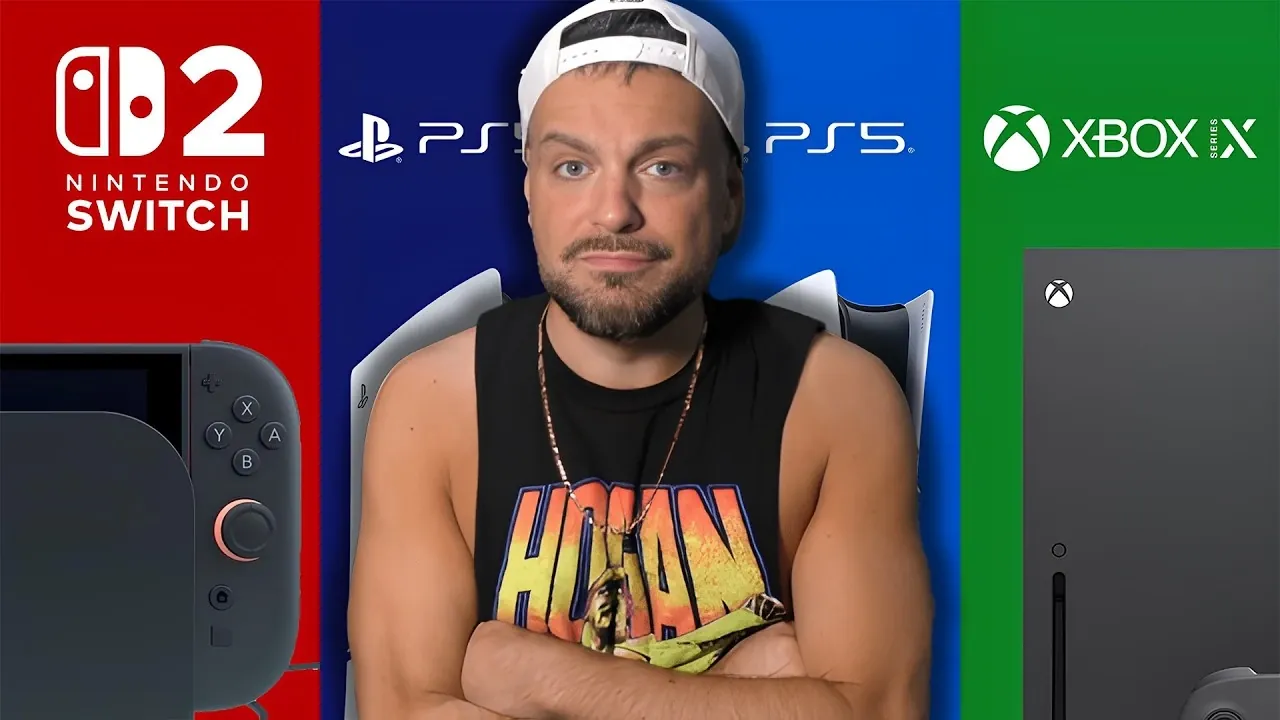
The gaming industry is facing a pivotal moment as advancements in artificial intelligence (AI) and reverse-engineering technologies reshape how classic games are adapted and preserved. Processes like recompilation and decompilation, once limited by time and technical expertise, are now being accelerated by AI, allowing developers to optimize older titles for modern platforms with features such as widescreen support and upscaled graphics. RGT 85 highlights how these developments challenge traditional approaches by gaming giants like Nintendo, Sony and Xbox, who have long relied on remastered editions as a core part of their business strategies. This shift not only democratizes game adaptation but also raises questions about intellectual property control in an era of rapid technological progress.
Dive into the video below to explore how AI is allowing developers to modernize games with unprecedented efficiency, from enhancing visual fidelity to improving performance on contemporary hardware. You’ll gain insight into the growing tension between unofficial adaptations and official remasters, as well as the potential legal and regulatory challenges this evolution presents. Whether you’re a developer, a gamer, or simply curious about the future of the industry, this breakdown offers a comprehensive look at the opportunities and uncertainties shaping the next chapter of gaming.
Recompilation and Decompilation: Redefining Game Adaptation
TL;DR Key Takeaways :
- Advancements in AI and reverse-engineering technologies, such as recompilation and decompilation, are transforming game adaptation by allowing optimized PC ports and enhanced versions of classic games without traditional emulation.
- AI tools are streamlining game development by automating tasks like asset optimization, texture upscaling and simplifying recompilation and decompilation, making game preservation and modernization more accessible to smaller teams and independent developers.
- Iconic games like Super Mario Galaxy, Halo, and Conker’s Bad Fur Day have been successfully enhanced with AI-driven technologies, offering players improved visuals, performance and compatibility with modern systems.
- The rise of AI-driven game adaptations challenges major gaming companies like Nintendo, Sony and Xbox by potentially reducing demand for official remasters and raising concerns over intellectual property protection.
- Legal and regulatory issues, including fair use, copyright infringement and intellectual property rights, are becoming increasingly complex as AI tools blur the lines between preservation and piracy in the gaming industry.
At the heart of this technological shift are two pivotal processes: recompilation and decompilation. These methods are reshaping how games are adapted for modern platforms.
- Recompilation: This process involves adapting games using their original source code. It allows developers to optimize older titles for contemporary platforms with relative ease, making sure compatibility and improved performance.
- Decompilation: A more intricate process, decompilation requires reverse-engineering games without access to the original source code. Despite its complexity, it achieves results comparable to recompilation, making it a powerful tool for game adaptation.
AI is accelerating both processes, allowing developers to enhance games with features like widescreen support, higher resolutions and improved performance on modern hardware. Tasks that once required months or even years can now be completed in a fraction of the time, fundamentally altering the pace and scope of game adaptation.
How AI is Transforming Game Development
AI tools are transforming game development by automating tasks that previously demanded specialized skills and significant time investments. These tools are not only streamlining workflows but also providing widespread access to access to advanced game development techniques.
- AI can analyze and optimize game assets, improving performance and compatibility with modern systems.
- It can upscale textures, enhancing visual quality and breathing new life into older titles.
- AI-generated code is simplifying the recompilation and decompilation processes, reducing the technical barriers for developers.
This widespread access of technology is empowering smaller teams and independent developers to modernize and preserve games. By lowering the barriers to entry, AI is fostering a more inclusive and innovative gaming landscape. The result is a faster, more efficient approach to game preservation and adaptation, allowing developers to focus on creativity and quality.

Gain further expertise in AI by checking out these recommendations.
- Apple AirPods Pro 4 Leaked: Massive Upgrades and New Design Revealed
- iPhone Air 2 Leaks: Apple Reportedly Solves the Biggest Battery Flaw
- Why the iPhone Air 2 Might Actually Be Worth Buying This Time
- iPhone Air 2 Leak: Apple Finally Fixes the Camera and Battery
- Leaked: Apple iPhone Air 2 Gets 3 Big Upgrades For 2027
- Rumors Suggest the iPhone Air 2 May Become the iPhone 18
- Fixing the Air: What Apple is Changing for the iPhone Air 2
- The iPhone Air 2 Leaks: Apple is Finally Fixing the Original’s Biggest Flaws
- iPhone 18 Leaks: Could Apple Replace It with the iPhone Air 2?
- Five Major Upgrades Detailed in a New iPhone Air 2 Leak
Notable Examples of AI-Enhanced Games
Several iconic games have already been recompiled or decompiled to run seamlessly on modern platforms, showcasing the fantastic potential of AI-driven technologies. These adaptations often include enhancements such as widescreen support, upscaled graphics and optimized performance, offering players a superior gaming experience. Examples include:
- Super Mario Galaxy, a beloved classic now optimized for modern hardware.
- Halo, a franchise that continues to captivate players with its enhanced visuals and performance.
- Conker’s Bad Fur Day, a nostalgic favorite brought to life with modern updates.
- Star Fox Adventures, reimagined for contemporary gaming systems.
For players, these advancements mean revisiting cherished titles in formats that meet today’s technical standards. These unofficial adaptations often rival or even surpass official remasters, offering an exciting alternative for gaming enthusiasts.
Challenges for Gaming Giants
The rise of AI-driven recompilation and decompilation is disrupting the traditional business models of major gaming corporations. Companies like Nintendo, Sony and Xbox have long relied on remastering and re-releasing classic games as a significant revenue stream. However, the growing accessibility of AI tools is allowing independent developers and enthusiasts to create optimized versions of games, potentially reducing the demand for official remasters.
This shift presents two significant challenges for gaming giants:
- Revenue Impact: The popularity of unofficial adaptations could lead to a decline in profits from remastered editions, forcing companies to rethink their strategies.
- Intellectual Property Concerns: Unauthorized adaptations raise complex questions about copyright enforcement and the protection of intellectual property in an era of rapid technological advancement.
These challenges highlight the need for gaming companies to adapt to the changing landscape. Whether through embracing new technologies or advocating for stricter intellectual property protections, the industry must navigate these disruptions carefully.
Legal and Regulatory Implications
The legal and regulatory landscape surrounding AI-driven game development is still evolving. As reverse-engineering and AI-assisted adaptations become more prevalent, gaming companies are likely to push for stricter measures to safeguard their intellectual property. However, the boundaries of fair use and copyright law in this context remain ambiguous.
Key legal and regulatory issues include:
- Defining the limits of fair use in reverse-engineering and game adaptation.
- Determining whether AI-assisted adaptations constitute copyright infringement.
- Balancing the need for innovation with the protection of intellectual property rights.
As AI tools become increasingly accessible, the distinction between preservation and piracy may blur, prompting further scrutiny from regulators and industry stakeholders. The outcome of these debates will have far-reaching implications for the future of gaming.
The Future of Gaming: Opportunities and Uncertainties
The rapid advancement of AI-driven tools is reshaping the gaming industry in profound ways. These technologies are making it faster and more accessible to adapt and enhance games, opening up new possibilities for developers and players alike. However, they also introduce uncertainties that could redefine the roles of major corporations in game preservation and distribution.
- Will gaming companies embrace these technologies to remain competitive and meet the evolving demands of players?
- Or will they focus on strengthening legal protections to maintain control over their intellectual property?
For players, this technological evolution offers unprecedented opportunities to experience classic games in new and improved formats. However, for the industry as a whole, it raises critical questions about the balance between innovation, intellectual property rights and regulatory oversight. As these dynamics continue to unfold, the gaming industry will need to navigate uncharted territory, balancing progress with protection to shape a future that benefits both creators and players.
Media Credit: RGT 85
Disclosure: Some of our articles include affiliate links. If you buy something through one of these links, Geeky Gadgets may earn an affiliate commission. Learn about our Disclosure Policy.
