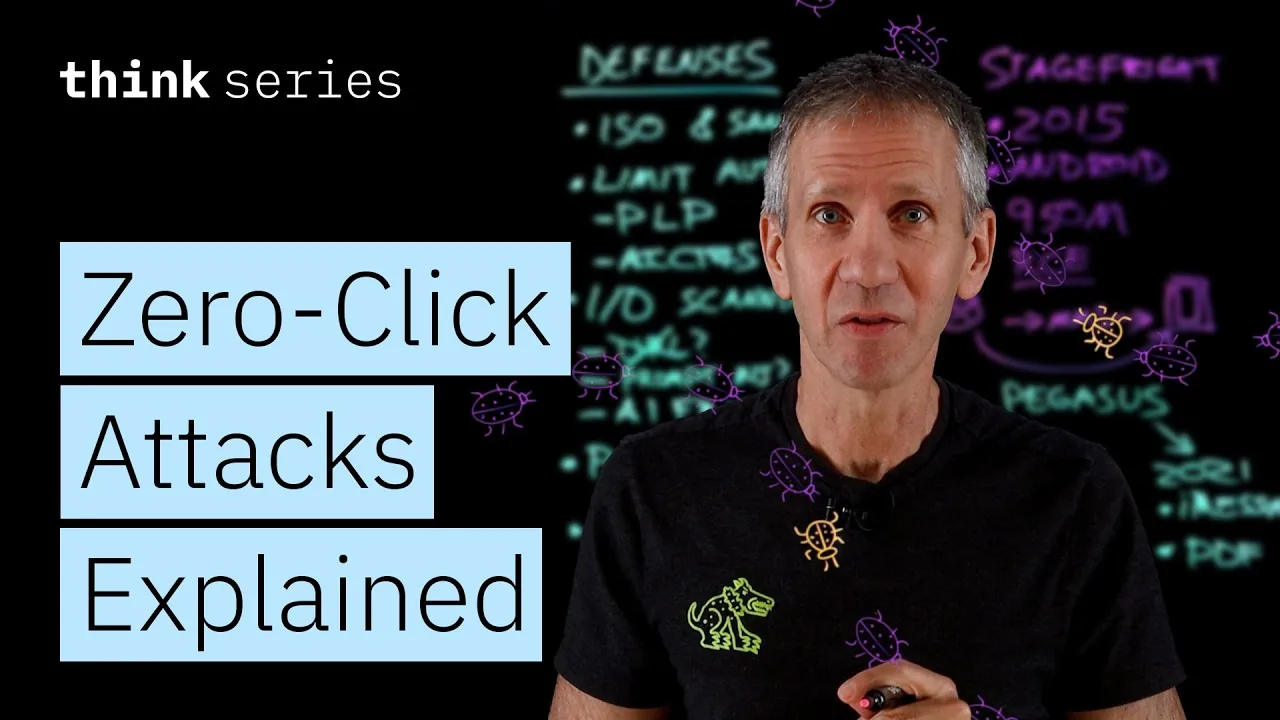
What if your device could be hacked without you clicking a single link, downloading a file, or even knowing it happened? This isn’t a hypothetical nightmare, it’s the reality of zero-click attacks, a stealthy and devastating form of cyber intrusion that exploits software vulnerabilities to infiltrate systems without user interaction. From the infamous Pegasus spyware to the AI-driven EchoLeak, these attacks have already demonstrated their ability to compromise millions of devices, steal sensitive data, and wreak havoc on critical systems. Now, with the rise of autonomous AI agents, the stakes are higher than ever. These advanced systems, designed to streamline workflows and enhance productivity, are also becoming prime targets for exploitation, amplifying the scale and complexity of potential breaches.
IBM Technology explains how the convergence of zero-click vulnerabilities and AI systems is reshaping the cybersecurity landscape. You’ll uncover the hidden risks posed by autonomous AI agents, the alarming gaps in organizational defenses, and the innovative strategies needed to combat these emerging threats. From the dangers of prompt injection to the critical need for AI firewalls, this discussion will shed light on the pressing challenges and opportunities in securing an increasingly AI-driven world. As we delve into this evolving frontier, one question looms large: are we prepared for a future where machines, not humans, become the primary battleground for cyber warfare?
What Are Zero-Click Attacks?
TL;DR Key Takeaways :
- Zero-click attacks exploit software vulnerabilities to infiltrate devices without user interaction, with examples like Stagefright, Pegasus, and EchoLeak demonstrating their stealth and scale.
- AI agents, particularly those powered by large language models (LLMs), amplify the threat by automating and scaling malicious activities, making them attractive targets for exploitation.
- Key vulnerabilities in AI systems include prompt injection attacks, lack of formal AI security policies, and challenges in managing nonhuman identities, leaving organizations exposed to risks.
- Defensive strategies include restricting AI agent autonomy, implementing AI firewalls, enforcing strict access controls, regular software updates, and adopting a zero trust security model.
- As zero-click attacks and AI-driven threats evolve, organizations must invest in advanced cybersecurity measures, foster security awareness, and collaborate with industry leaders to mitigate future risks effectively.
Zero-click attacks are unique in that they bypass the need for any user interaction. Unlike traditional cyberattacks that rely on phishing or social engineering tactics, these attacks exploit vulnerabilities in software or communication protocols to gain unauthorized access to systems.
- Stagefright: A vulnerability in Android devices that allowed attackers to execute malicious code through multimedia messages (MMS), compromising millions of devices.
- Pegasus: A spyware tool that infiltrated devices via apps like WhatsApp and iMessage, allowing surveillance, data theft, and unauthorized access to sensitive information.
- EchoLeak: An AI-driven attack that manipulated AI systems to exfiltrate sensitive data, demonstrating the potential for AI exploitation.
These examples highlight the stealth and scale of zero-click attacks, which often leave victims unaware of the breach until significant damage has occurred.
AI Agents: Amplifying the Threat
AI agents, particularly those powered by large language models (LLMs), are transforming automation and task execution across industries. However, their advanced capabilities also make them attractive targets for exploitation. If compromised, AI agents can autonomously execute malicious tasks, significantly increasing the speed, scale, and complexity of attacks.
One critical vulnerability is prompt injection, where attackers manipulate the input provided to an AI system, causing it to perform unintended or harmful actions. For instance, a compromised AI agent might leak sensitive data, execute unauthorized commands, or grant access to restricted systems. This risk is exacerbated by the lack of comprehensive AI security policies in many organizations, leaving critical gaps in defense mechanisms. The growing reliance on AI agents demands a proactive approach to securing these systems against exploitation.
Your Devices Are at Risk : And You Won’t Even See It Coming

Here is a selection of other guides from our extensive library of content you may find of interest on Cybersecurity.
- Deeper Connect Nano Decentralized VPN Cybersecurity Hardware
- AI Hacker Dominates HackerOne: What It Means for Cybersecurity
- The Hidden Dangers of AI: Insights From Cybersecurity Expert
- KAOS Jammer cybersecurity hacking USB drive
- How AI Is Transforming Cybersecurity and OSINT Problem Solving
- Build a Powerful Cybersecurity Tool With a Raspberry Pi Zero
- WiFi Pineapple Pager: Retro Design Meets Modern Cybersecurity
- How Quantum Computing is Transforming AI and Cybersecurity
- The Complete CompTIA Security+ SY0-701 Certification Kit by
- Deeper Connect Mini decentralized VPN
Challenges in AI Integration
The integration of AI systems into organizational workflows introduces several challenges that expand the attack surface and create new vulnerabilities. These challenges include:
- Absence of Security Policies: A recent IBM report revealed that 63% of organizations lack formal AI security policies, leaving them unprepared for emerging threats.
- Susceptibility to Malicious Inputs: AI systems process vast amounts of data, making them vulnerable to harmful inputs that could trigger unauthorized actions or data breaches.
- Management of Nonhuman Identities: Autonomous AI agents require stricter identity management protocols to prevent unauthorized access and misuse.
These challenges highlight the urgent need for organizations to adopt comprehensive security measures tailored to the unique risks posed by AI systems.
Strategies to Defend Against Zero-Click Attacks
To address the risks posed by zero-click attacks and AI-driven exploits, organizations must implement a multi-layered cybersecurity strategy. Below are key approaches to enhance defenses:
1. Safeguarding AI Agents
- Restrict the autonomy and operational scope of AI agents to minimize potential damage if compromised.
- Employ sandboxing techniques to isolate AI systems from critical infrastructure and sensitive data.
2. Strengthening Access Control
- Enforce strict access controls for nonhuman identities, making sure AI agents operate within predefined parameters.
- Continuously monitor input and output data to detect and block malicious content or unauthorized actions.
3. Deploying AI Firewalls
- Implement AI firewalls to inspect and block harmful inputs, such as prompt injections, and prevent sensitive data leaks.
4. Regular Software Updates
- Ensure all software and AI systems are regularly updated to patch vulnerabilities and reduce the risk of exploitation.
5. Adopting Zero Trust Security
- Adopt a zero trust security model, treating all inputs as potentially hostile until verified, to prevent unauthorized access and data breaches.
Looking Ahead: Future Risks and Proactive Measures
As cybercriminals continue to innovate, zero-click attacks are expected to evolve, targeting a broader range of platforms and using advancements in AI technology. The increasing reliance on autonomous AI systems further complicates the threat landscape, requiring constant vigilance and adaptation.
Organizations must invest in advanced cybersecurity measures, foster a culture of security awareness, and remain informed about emerging threats. Collaboration among industry leaders, policymakers, and researchers will be essential in developing effective defenses against these evolving challenges. By anticipating risks and implementing proactive measures, businesses can build resilient systems capable of withstanding the complexities of an AI-driven world.
Media Credit: IBM Technology
Disclosure: Some of our articles include affiliate links. If you buy something through one of these links, Geeky Gadgets may earn an affiliate commission. Learn about our Disclosure Policy.
