![[ALT 28] The future of Xbox consoles with premium pricing and new features](https://www.geeky-gadgets.com/wp-content/uploads/2025/10/img-52-microsoft-gaming-studio-changes_optimized.webp)
What happens when a gaming giant shifts its focus from creativity to profitability? That’s the question Microsoft’s Xbox division is grappling with as it embarks on a bold transformation. With a target of achieving a 30% profit margin—a figure far above the gaming industry average, Microsoft is reshaping its gaming strategy in ways that are both ambitious and controversial. From raising prices on consoles and subscriptions to prioritizing blockbuster franchises over experimental projects, the changes are sparking debates among gamers and industry insiders alike. For long-time Xbox fans, this moment feels like a crossroads: will these moves secure the brand’s future, or will they erode the community-driven identity that once set Xbox apart?
In this exploration, Colteastwood unpacks the ripple effects of Microsoft’s profit-driven strategy, from the impact on its internal studios to the ambitious vision for its next-generation hybrid console. You’ll discover how these shifts are redefining Xbox’s role in the gaming world, including its push toward multiplatform accessibility and the growing influence of AI in game development. But with innovation taking a backseat to financial goals, what does this mean for the diversity of gaming experiences and the inclusivity of the Xbox ecosystem? As we delve into these pressing questions, one thing becomes clear: the future of Xbox is as uncertain as it is fantastic.
Xbox’s Profit-Driven Transformation
TL;DR Key Takeaways :
- Microsoft’s Xbox division is targeting a 30% profit margin, leading to price increases on hardware, games, and Game Pass subscriptions, raising concerns about affordability and value among gamers.
- Resources are being redirected to established franchises like Call of Duty and Minecraft, while smaller studios and experimental projects are deprioritized, potentially limiting innovation and diversity in gaming experiences.
- Microsoft is developing a hybrid PC-console device with a premium price range of $700-$1,500, aiming to integrate PC and console ecosystems, though the high cost may limit accessibility for some users.
- AI is being used to streamline game development and reduce costs, but this raises concerns about its impact on creativity, job security, and the balance between efficiency and human input in game production.
- Xbox’s long-term strategy emphasizes multiplatform accessibility and services like Game Pass, signaling a potential shift away from hardware-focused models toward a software-driven future by the 2030s.
Profit Margin Mandate: Reshaping Xbox’s Strategy
Microsoft’s directive to boost Xbox’s profitability has initiated sweeping changes across its ecosystem. To meet the ambitious 30% profit margin target, the company has implemented price increases on console hardware, game titles, and Game Pass subscriptions. These adjustments aim to enhance revenue streams, but they have also raised concerns among gamers about affordability and the overall value proposition.
Beyond pricing, the ripple effects of this strategy are evident in the company’s operational decisions. Smaller studios and experimental projects have been deprioritized or shuttered, with resources redirected toward established franchises such as Call of Duty, Minecraft, Halo, Gears of War, and Forza. These blockbuster titles, known for their consistent revenue generation, now form the backbone of Xbox’s strategy. However, this focus on proven successes comes at the expense of innovation and creative risk-taking, potentially limiting the diversity of gaming experiences available to you.
Studio Operations and Community Sentiment
The push for profitability has had a profound impact on Xbox’s internal studios and its relationship with the gaming community. Layoffs and studio closures have become part of the restructuring process, creating challenges for employees and raising questions about the brand’s commitment to fostering creativity and diversity in gaming. For you, this shift may feel like a departure from Xbox’s earlier focus on player-centric initiatives.
Xbox’s reputation, built on years of goodwill and community engagement, is now under scrutiny. Many gamers have expressed concerns over the perceived shift from prioritizing innovation and inclusivity to emphasizing profit-driven objectives. This tension highlights the delicate balance Microsoft must strike to maintain its loyal fan base while pursuing its financial goals.
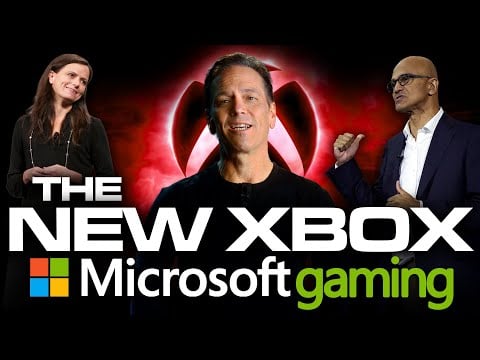
Xbox & Microsoft Gaming : Major Changes & Studios Problems
Take a look at other insightful guides from our broad collection that might capture your interest in Xbox.
- Xbox One S 1TB Console Fortnite Battle Royale Special Edition
- Next Xbox and PlayStation 6: Rumored Features & Release Dates
- Xbox Magnus Leak Reveals Console-PC Hybrid Features
- How to Hack Your Xbox 360 Using a USB Flash Drive
- Xbox ROG Ally X vs ROG Xbox Ally: A In-Depth Comparison Oct
- How New Xbox Magnus Dashboard is Changing Gaming Across
- Xbox One X vs PS4 Pro Battlefield 5 Beta Performance
- PS6 vs Xbox Magnus Leaks : Major Differences Between Next-Gen
- Halo Infinite performance compared on Xbox consoles
- Personalize your Xbox Elite Series 2 controller
Next-Generation Console: Bridging PC and Console Ecosystems
Microsoft is reimagining its hardware strategy with the development of a hybrid PC-console device. This next-generation console aims to deliver a high-performance, curated gaming experience at a premium price point, estimated to range between $700 and $1,500. For you, this could mean access to a versatile platform that seamlessly integrates the strengths of both PC and console ecosystems.
The hybrid model reflects Microsoft’s broader emphasis on multiplatform accessibility. By allowing gameplay across Xbox, PC, and even competing platforms like PlayStation, the company is positioning itself as a leader in cross-platform gaming. This approach not only aims to attract a wider audience but also caters to dedicated gamers seeking premium and flexible gaming experiences. However, the high price point may limit accessibility for some users, raising questions about how inclusive this strategy will ultimately be.
AI Integration: Balancing Efficiency and Creativity
To streamline game development and manage costs, Microsoft is increasingly using artificial intelligence (AI) across its production processes. AI tools are being used to optimize workflows, enhance asset creation, and improve game testing. For you, this could result in faster game releases and potentially more polished gaming experiences.
However, the integration of AI also introduces challenges. Employees and contractors face heightened expectations to deliver results more efficiently, which raises concerns about the balance between technological efficiency and the human touch in game development. While AI offers exciting possibilities for innovation, its impact on creativity, job security, and the overall quality of games remains a topic of ongoing debate within the industry.
Game Pass and the Shift Toward Services
Game Pass continues to be a cornerstone of Xbox’s ecosystem, offering a subscription-based model with access to a vast library of games. As Microsoft aligns the service with its profitability goals, price adjustments are expected to continue. For you, this means carefully weighing the evolving cost of the subscription against the value it provides in terms of game variety and accessibility.
The service’s multiplatform accessibility further underscores Xbox’s strategic pivot. By making its games available on competing platforms, Microsoft aims to expand its audience while reducing reliance on hardware sales. This shift reflects a broader industry trend toward software and services as primary revenue drivers. For you, this could mean greater flexibility in how and where you play Xbox games, but it also signals a departure from the traditional console-centric model.
Long-Term Vision: A Multiplatform Future
Microsoft’s evolving strategy suggests that the next-generation Xbox console could represent the company’s final major investment in first-party hardware. By the 2030s, Xbox may transition to a fully multiplatform model, focusing on software and services rather than physical consoles. For you, this could mean a future where Xbox is defined by its gaming experiences and ecosystem rather than its hardware offerings.
While these changes aim to ensure long-term profitability and sustainability, they also highlight the challenges of balancing business objectives with community expectations. As an Xbox user, you are part of an ecosystem navigating the complexities of a rapidly changing industry. Whether these shifts will strengthen the brand or alienate its core audience remains uncertain, but their impact on the gaming landscape is likely to be profound and far-reaching.
Media Credit: colteastwood
Disclosure: Some of our articles include affiliate links. If you buy something through one of these links, Geeky Gadgets may earn an affiliate commission. Learn about our Disclosure Policy.
