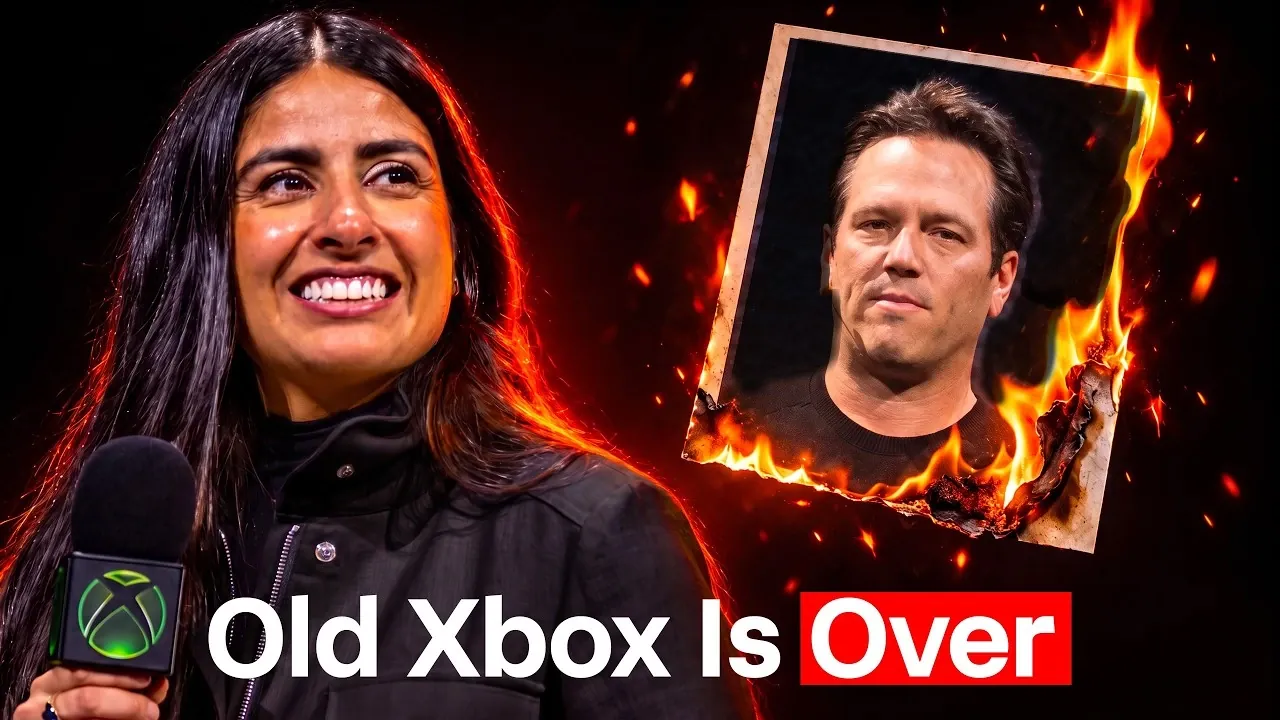
The integration of Activision into Xbox’s operations represents a significant shift for Microsoft’s gaming division, altering its organizational structure and creative focus. According to Bellular News, this transition has already led to 3,200 layoffs across key studios such as Playground Games and 343 Industries, alongside a move toward centralized management prioritizing established franchises. A notable example is the closure of Halo Studios, which signals a departure from Xbox’s traditional handling of its flagship series. These changes aim to improve efficiency and profitability but raise concerns about the impact on employee morale and the diversity of Xbox’s creative output.
Dive into the effects of Activision’s role in reshaping Xbox, including the rise of live-service models and the consolidation of studios like Bethesda and Obsidian. Understand the challenges of balancing cost-cutting measures with maintaining creative integrity, as well as the potential risks of standardizing gameplay experiences across franchises. This guide also explores the broader implications of these shifts for the gaming industry as a whole.
Restructuring and Layoffs: A Workforce in Transition
TL;DR Key Takeaways :
- Xbox is undergoing significant restructuring, including 3,200 planned layoffs, studio integrations and a shift toward centralized management and franchise-focused development.
- The iconic Halo franchise is transitioning to Activision’s management, aiming to revitalize its legacy after recent underwhelming performances, raising concerns about balancing creativity and commercial priorities.
- Xbox is emphasizing live-service games and consolidating resources around high-performing studios, but this approach risks stifling creativity and alienating players seeking diverse gameplay experiences.
- Studio divestments and mergers, such as the consolidation of Bethesda and Obsidian, aim to streamline operations but raise concerns about the homogenization of creative output and the loss of unique studio identities.
- Workforce morale has been negatively impacted by layoffs and restructuring, while Xbox faces competitive pressures from Sony and Nintendo, challenging its ability to balance financial goals with innovation and originality.
Xbox has announced plans to cut 3,200 jobs, with 1,600 layoffs already implemented and the remainder expected by April 2024. These reductions have impacted several major studios, including Halo Studios (formerly 343 Industries), The Coalition, Playground Games, Turn 10 and World’s Edge.
One of the most significant changes is the dissolution of Halo Studios, which will no longer develop new entries in the iconic franchise. This decision reflects a broader shift in Xbox’s strategy, reallocating resources to focus on high-performing franchises while canceling less profitable projects. For employees, however, this restructuring has created an atmosphere of uncertainty and unease, as many face unclear futures within the company.
The layoffs also highlight the tension between financial efficiency and the human cost of such decisions. While the restructuring aims to position Xbox for long-term success, it has disrupted teams and projects, leaving many talented developers searching for new opportunities.
The Halo Franchise: Revitalization Under Activision
Halo, a franchise once synonymous with Xbox’s identity, is entering a new chapter under Activision’s management. A dedicated team, distinct from Activision’s Call of Duty developers, has been assembled to work on the next mainline Halo installment. This move follows the underwhelming performance of Halo Infinite and other recent titles, signaling a strategic effort to restore the franchise’s prominence.
This transition represents an opportunity to breathe new life into the Halo series, but it also raises critical questions. Will Activision’s involvement enhance the franchise’s creative vision, or will it prioritize commercial success at the expense of innovation? Fans and industry observers are closely monitoring this development, as the outcome could redefine Halo’s legacy and its role within Xbox’s portfolio.

Here are more guides from our previous articles and guides related to Xbox that you may find helpful.
- Leaked Xbox Project Helix May Hit a $1,200 Price in Spring 2027
- PlayStation 6 and Xbox Project Helix Arrive in 2027 From $800
- Xbox Project Helix Confirmed for a November 2027 Launch
- Xbox Project Helix Consoles Scheduled to Launch in Nov 2027
- Estimated $800 Xbox Project Helix Launches in November 2027
- Rumoured Massive 26-Teraflop Xbox Project Helix Pits It Against PlayStation 6
- Heroic Game Launcher Enables Xbox Game Pass Titles on SteamOS
- Project Helix: How the Next Xbox Plays Both PC and Console Games
- Microsoft Reportedly Drops Steam from Xbox Project Helix
- Preorder the $1,299 ROG Xbox Ally X20 Before October 15th 2026
Studio Integration and the Rise of Live-Service Games
As part of its restructuring, Xbox has integrated several studios, including Rare (known for Sea of Thieves) and World’s Edge (Age of Empires), under Activision’s management. This realignment underscores Xbox’s growing emphasis on live-service games, which focus on sustained player engagement and monetization through ongoing updates and content.
However, this shift has not been without consequences. World’s Edge, for example, has faced significant layoffs, with nearly half its workforce let go and its next project canceled. These changes illustrate the challenges of balancing financial priorities with the creative ambitions of individual studios. While live-service games offer lucrative revenue streams, they also risk homogenizing the gaming experience, potentially alienating players who value diverse and innovative gameplay.
Studio Divestments and Consolidation
In addition to layoffs, Xbox is divesting from several studios, including Compulsion Games, Double Fine, Undead Labs and Ninja Theory. While Undead Labs has managed to retain its independence, it has not been immune to workforce reductions. Ninja Theory, on the other hand, faces the possibility of closure following unsuccessful acquisition attempts.
These decisions reflect a broader trend of consolidating resources around high-performing studios and franchises. By focusing on established intellectual properties (IPs), Xbox aims to maximize profitability and streamline operations. However, this approach comes with risks, as it may stifle creativity and limit opportunities for smaller studios to experiment with new ideas.
Mergers and Operational Realignments
The restructuring has also led to notable mergers within Xbox’s portfolio. Bethesda and Obsidian, two prominent RPG developers, are being consolidated to streamline operations and focus on delivering high-quality titles. Meanwhile, King, the developer behind Candy Crush, has been tasked with overseeing Microsoft’s casual gaming portfolio, including Solitaire and Minesweeper.
These realignments aim to use the expertise of established studios while reducing redundancies. However, they also raise concerns about the potential homogenization of creative output. As studios are increasingly aligned with corporate priorities, the risk of losing unique creative voices becomes more pronounced.
Centralized Development Strategy: Balancing Risks and Rewards
Xbox is transitioning from its traditional model of independent, studio-driven projects to a centralized development strategy focused on established IPs. This approach prioritizes low-risk, high-reward projects that align with Xbox’s broader brand goals.
While this strategy may improve financial stability and ensure a steady stream of successful releases, it also carries potential downsides. By prioritizing established franchises, Xbox risks stifling innovation and creativity, qualities that have historically driven success in the gaming industry. Developers and players who value originality may find themselves increasingly disillusioned with this approach.
Workforce Morale and Competitive Pressures
The ongoing layoffs and restructuring have taken a toll on workforce morale, creating an atmosphere of uncertainty and frustration among employees. Long-standing teams and projects have been disrupted, leaving many developers grappling with the emotional and professional impact of these changes.
At the same time, Xbox faces intense competition from rivals like Sony and Nintendo, both of which maintain strong positions in the gaming market. Short-term financial pressures are influencing decision-making, raising concerns about the potential impact on the quality and originality of future releases. As Xbox navigates these challenges, its ability to balance financial goals with creative aspirations will be critical to its long-term success.
Blizzard’s Stability Amid Industry Upheaval
Amid the widespread restructuring, Blizzard has emerged as a notable exception, avoiding layoffs for the second consecutive year. The studio has maintained its workforce and operational stability, standing in stark contrast to the challenges faced by other divisions. This disparity raises important questions about how Xbox determines which studios are prioritized or spared during restructuring efforts. Blizzard’s stability may serve as a model for balancing efficiency with employee retention, but it also highlights the uneven impact of Xbox’s broader strategy.
The Path Forward: Navigating Change in a Competitive Landscape
Xbox’s ongoing transformation reflects a calculated effort to streamline operations, reduce costs and focus on established franchises. While these changes may help the company achieve its financial objectives, they also pose significant risks. The shift toward centralized management and franchise-driven development could limit creativity and innovation, potentially alienating both employees and players.
As the gaming industry continues to evolve, Xbox must navigate a complex landscape of market pressures, workforce challenges and shifting consumer expectations. The success of its new strategy will depend on its ability to balance efficiency with creativity, making sure that its portfolio remains both profitable and engaging. For now, the gaming community watches closely, eager to see whether Xbox can retain its identity and creative spirit amid such sweeping changes.
Media Credit: Bellular News
Disclosure: Some of our articles include affiliate links. If you buy something through one of these links, Geeky Gadgets may earn an affiliate commission. Learn about our Disclosure Policy.
