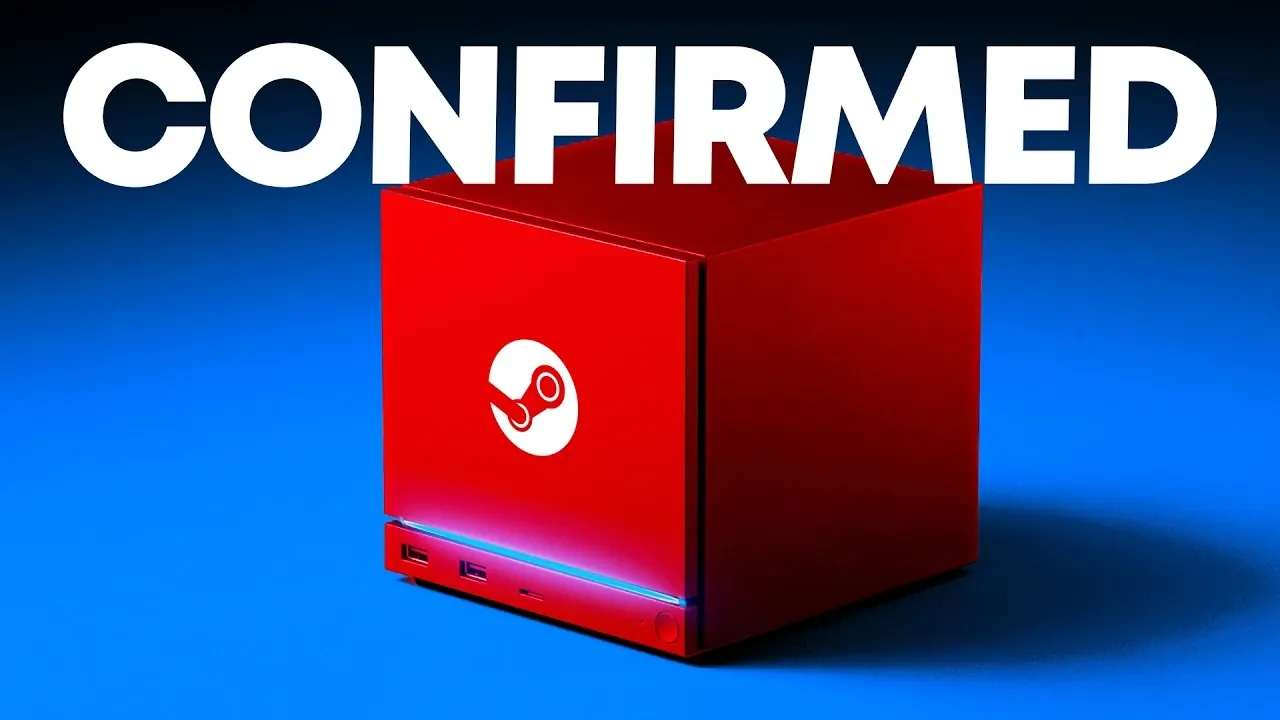
Valve’s return to the living room gaming market with the Steam Machine and Steam Frame marks a significant step in their hardware strategy. Deck Ready highlights key updates, including Canadian FCC filings and hardware shipment data, which suggest a June 2026 release timeline. These filings confirm regulatory progress and hint at a potential pre-order announcement before the month ends. With an estimated price range of $800 to $1,200, Valve must navigate the challenge of delivering competitive performance while maintaining accessibility in a market led by PlayStation, Xbox and Nintendo.
Explore how Valve’s partnership with Xbox could influence cross-platform compatibility, creating new opportunities for gamers to integrate PC and console experiences. Learn about the potential effects of supply chain limitations on pricing and availability. Gain insight into the Steam Machine’s hybrid design and how it might cater to players seeking a balance between flexibility and performance.
Hardware Shipments Signal Imminent Launch
TL;DR Key Takeaways :
- Valve is set to launch the Steam Machine and Steam Frame in June 2026, marking its return to the living room gaming market and positioning itself as a competitor to PlayStation and Xbox.
- Regulatory filings and shipment data suggest the launch is on track, with pre-orders potentially starting around June 29, 2026, following earlier delays due to supply chain issues.
- Valve’s collaboration with Xbox for cross-platform compatibility aims to bridge PC and console gaming, offering a seamless and interconnected gaming experience.
- The Steam Machine is expected to be priced between $800 and $1,200, but rising hardware costs and supply chain challenges could impact affordability and competitiveness.
- Valve’s hybrid approach to integrating PC gaming with console convenience reflects broader industry trends, potentially setting it apart in a rapidly evolving gaming landscape.
Recent shipment data has intensified speculation about Valve’s plans. These shipments, classified as VR headsets, are widely believed to include the Steam Machine and Steam Deck. Valve’s history of rapid transitions from hardware shipments to product launches lends credibility to the likelihood of a June release. This timeline aligns with Valve’s previously stated goal of launching in the first half of 2026, despite earlier delays caused by supply chain challenges. The company’s ability to meet this deadline could be a critical factor in its success, especially as it seeks to capitalize on the current market dynamics.
Regulatory Filings Highlight Progress
Canadian FCC filings provide further evidence of Valve’s progress. Covering both the Steam Machine and Steam Frame, these filings suggest that an announcement or pre-order date may occur around June 29, 2026. Regulatory compliance is a crucial milestone in hardware development and these filings indicate that Valve is nearing the final stages of its launch preparations. By achieving this milestone, Valve demonstrates its commitment to delivering a polished and compliant product to the market.

Unlock more potential in Valve’s Steam Machine by reading previous articles we have written.
- Inside Valve’s Unusual Rollout Plan for the Steam Machine
- Valve Explains Why We Got a New Steam Controller but No Steam Machine
- Valve Confirms Summer 2026 Release Window for Steam Machine and Steam Frame
- Latest Leaked Clues Pointing to Valve’s Steam Machine Launch Date
- What Valve’s Latest Hardware Leaks Reveal About the Modular Steam Machine
- Why Valve is Releasing 4 Different Steam Machine Variants
- Valve’s 2026 Steam Machine is Almost Here
- Why the Upcoming Valve Steam Machine Might Be Sold at a Loss
- How Valve Finally Solved the Steam Machine’s Biggest Performance Bottleneck
- What Analysts Actually Expect Valve to Charge for the Steam Machine
Competing with Console Heavyweights
Valve’s re-entry into the living room gaming market represents a direct challenge to the dominance of Nintendo, PlayStation, and Xbox. By launching ahead of the delayed PlayStation 6 and Xbox’s Project Helix, Valve has a unique opportunity to capture market share. The company’s collaboration with Xbox, which enables cross-platform compatibility and ecosystem integration, further strengthens its position. This approach could appeal to gamers seeking a seamless experience that bridges the gap between PC and console gaming. Valve’s strategy reflects a deep understanding of the evolving needs of modern gamers, who increasingly value flexibility and interconnectedness.
Pricing and Supply Chain Challenges
The pricing of the Steam Machine will be a critical factor in its success. Industry insiders predict a price range of $800 to $1,200, depending on configurations. However, rising hardware costs and ongoing supply chain disruptions present significant challenges. Valve will need to carefully balance affordability and performance to remain competitive in an already crowded market. Striking this balance is essential, as gamers are likely to compare the Steam Machine’s value proposition against established consoles and gaming PCs. Valve’s ability to navigate these challenges could determine whether the Steam Machine becomes a viable alternative for consumers.
Adapting to a Changing Gaming Industry
The gaming industry has undergone significant changes since 2020, driven by shifting hardware and software dynamics. Supply chain constraints have increased production costs, affecting console pricing and availability. These challenges have forced companies to innovate and Valve’s efforts to integrate PC gaming with living room consoles reflect this trend. The Steam Machine has the potential to serve as a bridge between traditional PC gaming and the convenience of console gaming, offering gamers the best of both worlds. This hybrid approach could set Valve apart from its competitors and attract a diverse audience.
Showcasing Gaming Innovations
Recent game releases highlight both the opportunities and challenges facing the gaming industry. For example:
- The remake of “Halo Campaign Evolved”, built on Unreal Engine 5, showcases the engine’s technical capabilities but has faced criticism for performance issues, emphasizing the importance of optimization.
- “Hitman World of Assassination” demonstrates the appeal of cross-device integration, offering seamless gameplay across platforms like the Steam Deck and PC, which aligns with Valve’s vision for interconnected gaming.
These examples underscore the importance of technical innovation and user experience in shaping the future of gaming. Valve’s ability to deliver a smooth and engaging experience with the Steam Machine will be critical to its success.
Building a Unified Gaming Ecosystem
Valve’s strategy reflects a broader industry trend toward ecosystem integration. By collaborating with Xbox and focusing on cross-platform compatibility, Valve is contributing to the shift toward interconnected gaming platforms. This approach aligns with the efforts of major players like Nintendo, PlayStation and Xbox, all of whom are working to refine their ecosystems. The result is a more diverse and dynamic gaming landscape, where players have greater flexibility and choice. Valve’s emphasis on integration could position it as a leader in this evolving market.
A Pivotal Moment for Valve
The upcoming launch of the Steam Machine and Steam Frame represents a significant opportunity for Valve to redefine its role in the gaming industry. By addressing supply chain challenges, fostering cross-platform compatibility and using its unique market position, Valve has the potential to reshape the living room gaming experience. As June 2026 approaches, the gaming community will be watching closely to see how Valve’s latest innovations influence the future of gaming. The success of the Steam Machine could mark a new chapter for Valve and set a precedent for the integration of PC and console gaming.
Media Credit: Deck Ready
Disclosure: Some of our articles include affiliate links. If you buy something through one of these links, Geeky Gadgets may earn an affiliate commission. Learn about our Disclosure Policy.
