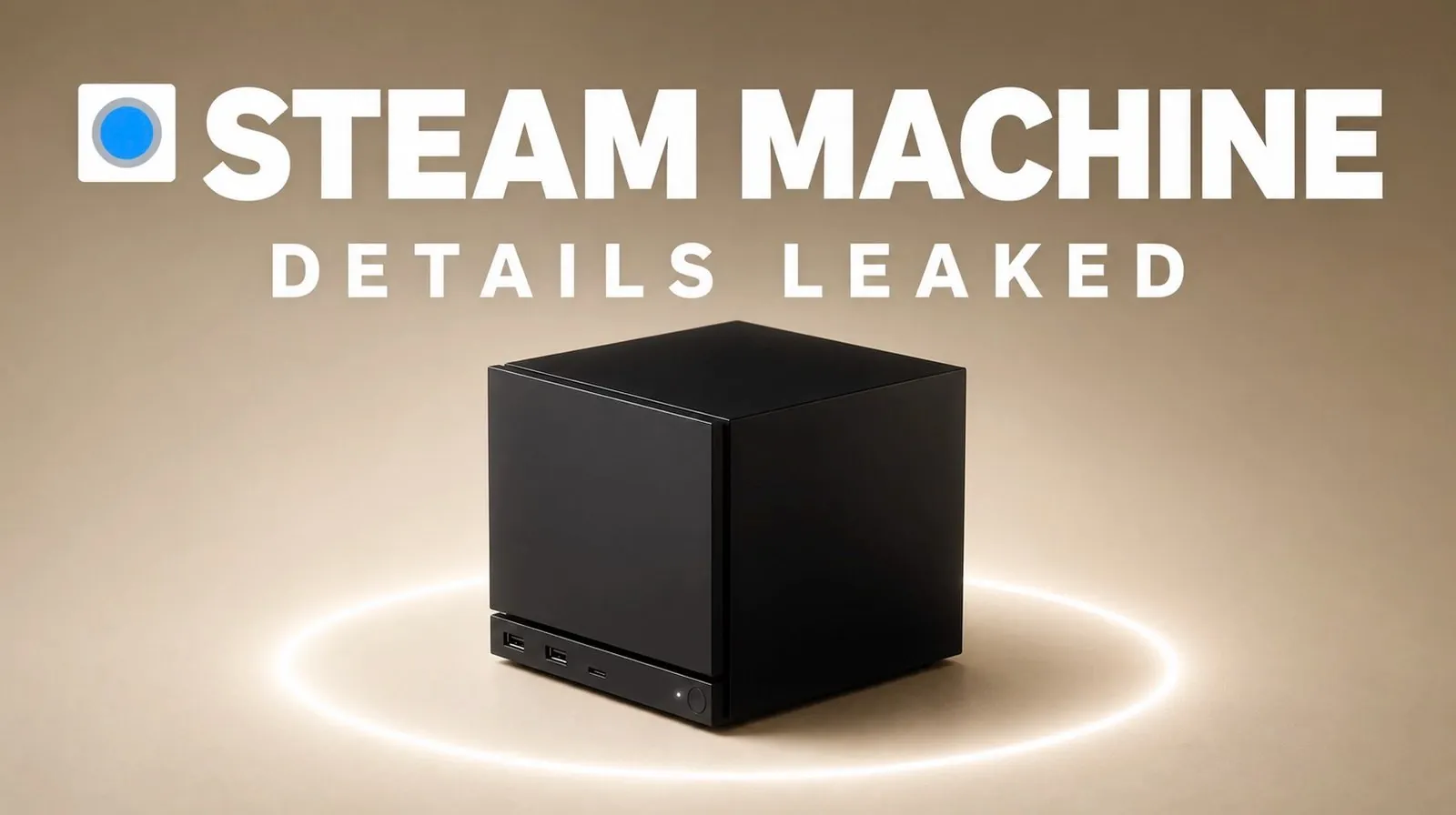
Valve’s Steam Machine, codenamed “Fremont,” offers a unique blend of PC gaming flexibility and console-like ease, designed for players who prefer gaming on their TVs. Recently highlighted in Geekbench benchmarks, the device achieved a single-core score of 2334 and a multi-core score of 7392 under SteamOS, with slightly higher results on Windows. These scores position it as a strong performer, particularly in CPU-intensive tasks, while also underscoring the optimization challenges of Valve’s Linux-based operating system. As discussed by NerdNest, the Steam Machine is not a direct competitor to traditional consoles but instead targets dedicated PC gamers seeking a living room-friendly setup.
Explore how the Steam Machine balances SteamOS integration with the broader compatibility of Windows, offering users flexibility in tailoring their experience. You’ll also gain insight into its potential for ray tracing performance, customization options like modular design, and the trade-offs between streamlined gaming and expanded software access. Whether you’re interested in its role within the Steam ecosystem or its implications for PC gaming on TVs, this breakdown provides a comprehensive look at what to expect from Valve’s latest hardware.
Performance Highlights from Geekbench
TL;DR Key Takeaways :
- The Steam Machine combines PC flexibility with console-like convenience, targeting PC gamers who prefer playing on TVs without directly competing with traditional gaming consoles.
- Performance benchmarks reveal strong single-core and multi-core results, with slight optimization challenges for SteamOS compared to Windows, raising questions about real-world gaming performance.
- Key features include integration with the Steam ecosystem, potential for ray tracing performance surpassing the PlayStation 5 and a customizable design with modular options for personalization.
- Pricing remains unannounced but is expected to be competitive, with regional variations potentially impacting its value proposition for global audiences.
- The Steam Machine is positioned as a niche, complementary device for PC gamers, focusing on enhancing the gaming experience in a living room setup rather than disrupting the console market.
Recent Geekbench benchmarks provide valuable insights into the Steam Machine’s performance:
- Under SteamOS, the device achieved a single-core score of 2334 and a multi-core score of 7392.
- When running Windows, these scores slightly improved to 2412 and 7451, respectively.
The relatively small performance gap between SteamOS and Windows highlights the optimization challenges Valve faces with its Linux-based operating system. Compared to the PlayStation 5, the Steam Machine demonstrates superior single-core performance and comparable multi-core results, making it a strong contender for CPU-intensive tasks. However, synthetic benchmarks like Geekbench only provide part of the picture, leaving real-world gaming performance as an open question that will require further testing.
SteamOS vs Windows: Key Differences
Valve’s decision to test the Steam Machine with SteamOS marks a significant shift from earlier Windows-based benchmarks. SteamOS is specifically designed for gaming, offering seamless integration with the Steam ecosystem, including features like cloud saves, community tools and a streamlined user interface. However, the slight performance drop compared to Windows raises questions about optimization and compatibility.
Windows, on the other hand, provides broader compatibility with non-Steam games and applications, making it a more versatile option for users who want access to a wider range of software. This dual-operating-system approach offers flexibility but also presents a trade-off: should users prioritize the streamlined gaming experience of SteamOS or the versatility and compatibility of Windows?

Here is a selection of other guides from our extensive library of content you may find of interest on Steam Machine.
- Valve Steam Machine Update: RAM Supply Stabilizes as Unified Deck Software Expands
- Why Valve is Releasing 4 Different Steam Machine Variants
- Valve’s 2026 Steam Machine is Almost Here
- Inside Valve’s Unusual Rollout Plan for the Steam Machine
- Why the Upcoming Valve Steam Machine Might Be Sold at a Loss
- Valve Confirms Summer 2026 Release Window for Steam Machine and Steam Frame
- How Valve Finally Solved the Steam Machine’s Biggest Performance Bottleneck
- Valve Explains Why We Got a New Steam Controller but No Steam Machine
- What Valve’s Latest Hardware Leaks Reveal About the Modular Steam Machine
- Why Valve’s Latest SteamOS Update Changes Everything for Your Steam Machine
Who is the Steam Machine For?
The Steam Machine is designed for a niche audience: PC gamers who want to enjoy their games on a larger screen, such as a TV, without sacrificing the flexibility and power of a PC. It bridges the gap between PC and console gaming, offering features such as:
- Access to the extensive Steam library.
- Integration with cloud saves and community features.
- The potential for high-end performance in a living room setup.
While the Steam Machine appeals to dedicated Steam users, it is not positioned to compete directly with consoles like the PlayStation 5 or Xbox Series X. Instead, it carves out a unique space as a complementary device for PC gamers who want to extend their gaming experience to a more casual, TV-centric environment.
Customizable Design and Accessories
Speculation suggests that the Steam Machine may feature a customizable design, allowing users to personalize their devices. Potential customization options could include:
- Interchangeable front plates for aesthetic personalization.
- Third-party modules to add functionality, such as additional ports or enhanced cooling systems.
This modularity could make the Steam Machine particularly appealing to gamers who value personalization and adaptability. Additionally, the device’s design is expected to prioritize efficient cooling, a critical factor for maintaining consistent performance during extended gaming sessions. Effective thermal management will be especially important for running graphically demanding features like ray tracing.
Ray Tracing and Graphics Performance
Ray tracing, a technology that enhances lighting, shadows and reflections in games, is one of the standout features of the Steam Machine. Benchmark data suggests that its ray tracing performance may surpass that of the PlayStation 5, making it an attractive option for gamers seeking innovative graphics.
However, synthetic benchmarks alone cannot fully capture the device’s real-world gaming performance. Testing with popular titles optimized for ray tracing will be essential to determine its true capabilities. If the Steam Machine delivers on its promise of high-quality graphics and smooth gameplay, it could become a preferred choice for gamers who prioritize visual fidelity.
Pricing and Regional Considerations
Valve has not yet announced the pricing for the Steam Machine, but it is expected to be competitive within the PC gaming market. Unlike portable devices such as the Steam Deck, the Steam Machine lacks components like batteries or screens, which could help keep production costs lower.
However, regional pricing variations may pose challenges. For example, gamers in countries like Canada could face higher prices due to import fees or markups. Transparent and competitive pricing will be crucial in determining the device’s value proposition and its ability to attract a broad audience.
Impact on the Console Market
The Steam Machine is unlikely to disrupt the console market. Its primary audience consists of PC gamers rather than traditional console users. By positioning the device as a gaming PC for TVs, Valve avoids direct competition with established console brands like Sony and Microsoft.
Instead, the Steam Machine focuses on enhancing the PC gaming experience, using the Steam ecosystem to provide a unique offering for a niche segment of gamers. This strategic positioning allows Valve to target a specific audience without entering the highly competitive console market directly.
Community Interest and Future Prospects
The gaming community has shown significant interest in the Steam Machine, particularly regarding its real-world gaming performance, pricing, and its potential role as a gaming and media hub in entertainment centers. Key areas of focus include:
- How well it performs with popular, graphically intensive games.
- Whether its pricing aligns with its features and capabilities.
- Its ability to serve as a versatile device for both gaming and media consumption.
Cooling efficiency is another critical area of interest, as effective thermal management will be essential for maintaining consistent performance during long gaming sessions. Valve’s ability to address these concerns will play a significant role in shaping the Steam Machine’s reception and long-term success.
Looking Ahead
The Steam Machine represents an intriguing addition to the PC gaming landscape. With competitive performance, potential for customization, and seamless integration into the Steam ecosystem, it offers a compelling option for gamers looking to play on their TVs. However, its niche appeal and limited impact on the broader console market underscore its role as a complementary device rather than a direct competitor.
As Valve continues to refine the Steam Machine, its success will depend on factors such as pricing, real-world performance, and user adoption. For now, it stands as a promising innovation for PC gamers seeking a new way to enjoy their favorite games in a more casual, living room-friendly environment.
Media Credit: NerdNest
Disclosure: Some of our articles include affiliate links. If you buy something through one of these links, Geeky Gadgets may earn an affiliate commission. Learn about our Disclosure Policy.
