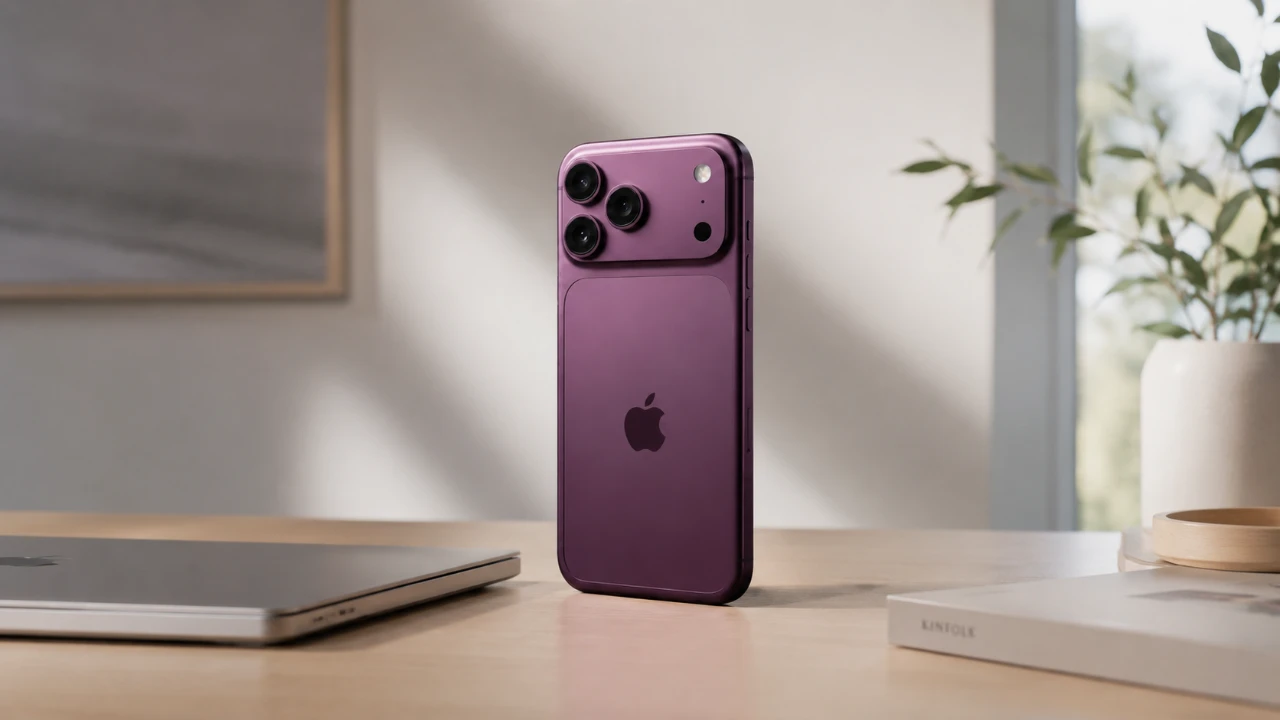
Apple has revealed that price increases across its product lineup are now unavoidable. CEO Tim Cook has attributed this decision to a persistent global memory shortage, primarily driven by the surging demand for AI server farms. As production costs for critical components like RAM and chips continue to rise, Apple has stated that it can no longer absorb these additional expenses and will instead pass them on to consumers. This pricing adjustment will affect flagship devices such as the iPhone 18, iPhone Ultra, and MacBook Ultra, as well as entry-level products, signaling a broader trend of escalating costs across the tech industry. The video below from SaranByte gives us more details.

Why the Memory Shortage Matters
The global memory shortage is a pivotal factor behind Apple’s pricing challenges. AI server farms, which require vast amounts of memory to process and store data for machine learning and other data-intensive tasks, are consuming a significant portion of global memory production. This increased demand has left less supply available for consumer electronics, driving up the cost of essential components.
This issue is not isolated to Apple; it is a challenge that spans the entire tech industry. Manufacturers across the board are struggling to secure adequate supplies of memory and other critical parts, forcing them to pay higher prices. These increased costs are ultimately passed on to consumers, making devices more expensive regardless of the brand. For you, this means higher prices for smartphones, laptops, and other gadgets in the near future.
What to Expect: Price Increases Across Apple Products
Apple’s upcoming product lineup will reflect these rising costs, with price hikes expected across multiple categories. Here’s a breakdown of what you can anticipate:
- iPhone 18 Pro Models: Prices are expected to rise by approximately $100, making these devices even more premium.
- iPhone Ultra: This redesigned flagship device, featuring innovative technology and advanced features, is projected to start at $2,000 or higher.
- MacBook Ultra: Equipped with OLED displays and updated designs, these laptops may see price increases ranging from $200 to $300 compared to current models.
- Entry-Level Products: Devices like the MacBook Neo and base iPads are also expected to experience price hikes due to the limited availability of components such as RAM and chips.
These increases will affect Apple’s entire ecosystem, from high-end flagship devices to more affordable entry-level options, leaving no product tier untouched.
How You Can Prepare
If you’re planning to upgrade your Apple devices, now might be the ideal time to act. Current-generation products, such as the iPhone 17 or M5 MacBooks, are likely to offer better value before the anticipated price hikes take effect. Purchasing these devices now could save you money compared to waiting for the next generation.
Another cost-effective option is to explore refurbished models. These devices often provide significant savings while maintaining excellent performance and reliability. For budget-conscious consumers, refurbished products can be a practical alternative to buying new.
If you’re considering investing in redesigned products like the iPhone Ultra or MacBook Ultra, be prepared for premium pricing. These devices are expected to carry the steepest price tags due to their advanced features and high-end positioning. Planning your purchases strategically and weighing your options carefully can help you navigate these changes more effectively.
Understanding the Market Dynamics
Apple’s decision to raise prices is consistent with its long-standing strategy of maintaining profit margins in the face of rising production costs. Historically, Apple has been reluctant to reduce prices once they are increased, making it unlikely that future discounts will offset these hikes. This pricing approach reflects broader market dynamics, where companies prioritize profitability over absorbing higher expenses.
For consumers, this means that elevated pricing across Apple’s product lineup is likely to persist. As the global memory shortage continues to impact production costs, you should prepare for a sustained period of higher prices for Apple devices and other consumer electronics.
The Road Ahead
The global memory shortage shows no signs of abating in the near future and its impact on production costs is expected to remain significant. As a result, higher prices for Apple products are likely to become the new normal. Whether you’re considering a flagship device like the iPhone Ultra or an entry-level option like the MacBook Neo, you can expect to pay more across the board.
By staying informed about these trends and planning your purchases strategically, you can better navigate this evolving pricing landscape. As Apple and other tech companies adapt to these challenges, the ripple effects will continue to shape the consumer electronics market for years to come. Understanding these dynamics will help you make more informed decisions as you evaluate your options in this changing environment.
Below are more guides on Apple iPhone from our extensive range of articles.
- iPhone 18 Pro Max Leaks Reveal Bold Dark Cherry Color
- Why the iPhone 18 Pro Max Will Be Apple’s Most Aggressive Release Yet
- First Look at the iPhone 18 Pro’s Major Display Redesign
- iPhone Ultra Fold First Look: Apple Finally Went WIDE to Create the Ultimate Hybrid Device
- Apple’s 2nm Powerhouse: Why the A20 Pro Chip Makes the iPhone 18 Pro a Pocket Computer
- The Biggest Changes Coming to Apple’s iPhone 18 Pro Max
Source & Image Credit: SaranByte
Disclosure: Some of our articles include affiliate links. If you buy something through one of these links, Geeky Gadgets may earn an affiliate commission. Learn about our Disclosure Policy.
