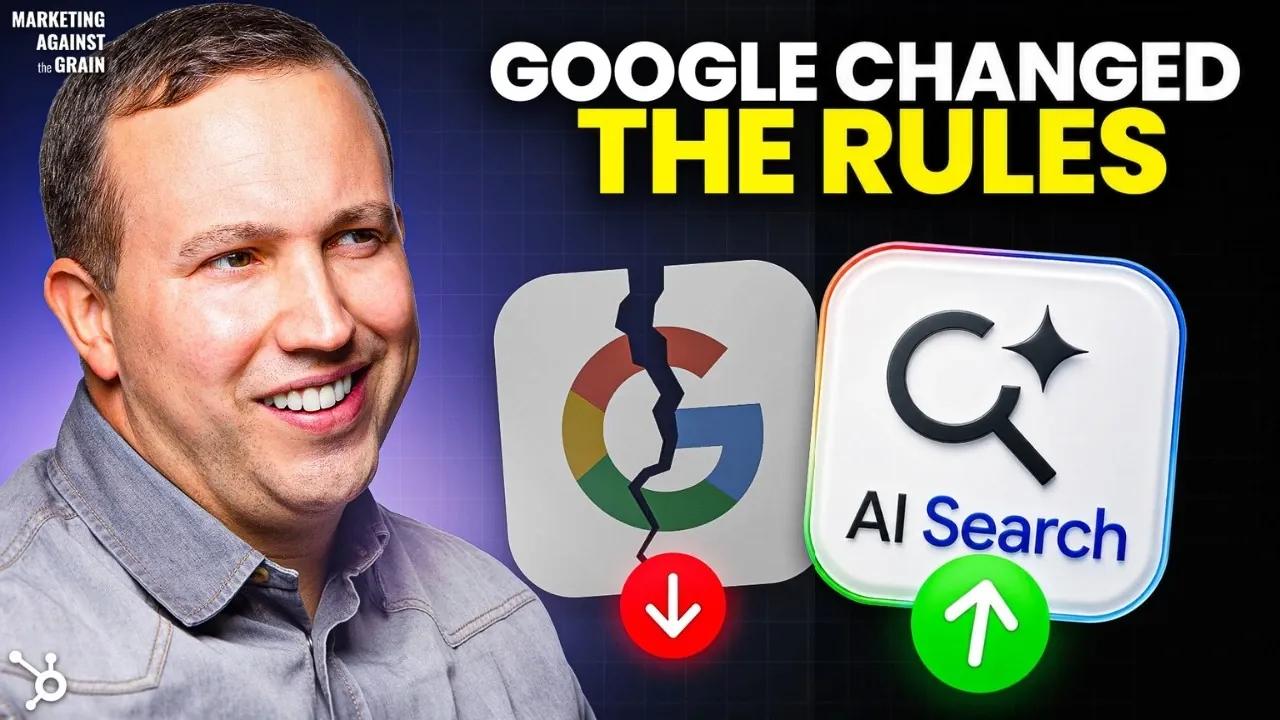
Google’s recent overhaul of its search engine introduces an AI-first approach that prioritizes context-aware responses and zero-click searches, fundamentally changing how users interact with information online. Marketing Against the Grain examines this shift, highlighting how AI-generated results often bypass traditional organic search pathways, leaving businesses to rethink their strategies for visibility. For instance, the overlap between AI-cited sources and top organic search results is as low as 17%, underscoring the need for brands to adapt quickly to remain competitive in this evolving landscape.
Explore actionable insights to navigate these changes effectively. Learn how to conduct a citation audit to identify where your brand appears in AI-driven results, revamp content strategies to focus on originality and depth and assign dedicated leadership to oversee AI visibility efforts. These steps can help businesses maintain relevance and authority as AI reshapes the search ecosystem.
How AI is Changing the Search Landscape
TL;DR Key Takeaways :
- Google has shifted to an AI-first search approach, emphasizing AI-generated responses and zero-click searches, which significantly impact user behavior and business strategies.
- Traditional SEO is being disrupted as AI-driven search prioritizes context-aware responses over keyword-based rankings, reducing traffic to external websites.
- Branded search queries and AI citations are becoming critical for businesses to maintain visibility and drive engagement in the AI-driven search ecosystem.
- Businesses must adapt by focusing on AI visibility, creating unique and in-depth content and developing expertise in answer engine optimization (AEO) and multi-platform content distribution.
- The future of marketing in an AI-first world requires building brand authority across platforms like YouTube, LinkedIn and Reddit to influence AI-generated results and maintain competitiveness.
Google’s AI-driven search experience represents a significant departure from traditional keyword-based search methods. Instead of relying on short, specific keywords, users are now encouraged to input more complex prompts or conversational questions. The AI processes these inputs to deliver detailed, context-aware responses directly within the search interface, often eliminating the need for users to click through to external websites.
This shift has already had a profound impact on user behavior. With over 2.5 billion monthly users engaging with AI-enhanced search, an estimated 93% of searches now result in “zero-click” outcomes. This means users are finding the answers they need directly on Google, bypassing external sites entirely. While this enhances convenience for users, it creates significant challenges for businesses that depend on organic traffic to sustain their operations. The traditional pathways for driving traffic are being disrupted, forcing businesses to rethink their strategies.
What This Means for Traditional SEO
The rise of AI-driven search has fundamentally altered the landscape of traditional SEO. Historically, businesses optimized their content for specific keywords to improve organic rankings and drive traffic. However, AI-generated responses often pull information from a limited set of sources and the overlap between top organic search results and AI-cited sources is minimal, ranging between 17% and 36%. This divergence has led to a noticeable decline in traffic for many publishers and content creators.
One area where businesses can still find opportunity is branded search queries. When a brand is explicitly mentioned in AI-generated summaries, the click-through rates tend to be significantly higher. This underscores the growing importance of brand visibility and credibility in the AI-driven search ecosystem. To remain competitive, businesses must ensure their content is optimized for AI systems, as being cited by these systems is quickly becoming the new standard for search visibility.

Explore further guides and articles from our vast library that you may find relevant to your interests in Google AI Search.
- How Google’s New AI Updates Will Change Your Daily Search Workflows
- Why Google’s New AI Search Will Change Your Browsing Habits
- Google Stitch vs Figma : Will AI Design Replace Your UI Team?
- How to use the new AI Google Search with AI Overviews
How to Adapt to AI-Driven Search
Adapting to this new search environment requires a fundamental shift in how businesses approach search and content strategies. Traditional metrics like organic traffic and keyword rankings are no longer sufficient. Instead, the focus must shift to AI visibility, mentions and citations. Here are three critical areas to prioritize:
- Shift How You Measure Success: Traditional SEO metrics need to evolve. Begin tracking where your brand is mentioned or cited in AI-generated responses. This requires investing in tools and processes designed to monitor AI visibility, moving beyond conventional organic rankings.
- Overhaul Your Content Strategy: Generic, keyword-focused content is no longer effective. Instead, prioritize creating unique, data-driven and customer-centric material that AI systems are more likely to cite. Content depth, originality and specificity are essential for standing out in this new landscape.
- Develop New Skills: Equip your team with expertise in answer engine optimization (AEO), public relations and multi-platform content distribution. Platforms like LinkedIn, Reddit and YouTube are becoming increasingly influential in shaping AI-generated results and building authority.
Three Immediate Steps to Take
To remain competitive in the rapidly evolving AI-driven search landscape, businesses must act decisively. Here are three actionable steps you can implement immediately:
- Conduct a Citation Audit: Analyze where your brand is currently mentioned or cited in AI search results. Identify gaps in your content and adjust your strategy to improve its relevance and likelihood of being cited by AI systems.
- Revamp Your Content Strategy: Replace outdated content calendars with a focus on creating in-depth, original and highly specific content. This approach increases the chances of your material being referenced by AI systems, enhancing your visibility.
- Assign a Leader for AI Visibility: Designate a team member to oversee your AI visibility efforts. This individual should monitor progress, implement new strategies and ensure alignment with the latest search trends to maintain a competitive edge.
The Future of Marketing in an AI-First World
The transition to AI-first search represents more than just a technological evolution, it is a fundamental transformation in how users access information and how businesses establish credibility. Building brand awareness and authority has become more critical than ever. To succeed in this new environment, businesses must distribute content across multiple platforms, making sure their brand is visible and trusted in diverse contexts. Platforms like YouTube, LinkedIn and Reddit are playing increasingly important roles in shaping AI’s understanding of brands.
Companies that adapt quickly to these changes stand to gain a significant competitive advantage. By focusing on AI visibility, mentions and citations, businesses can position themselves as trusted sources in the evolving search ecosystem. The future of search is here and it is powered by AI. The question is: are you ready to embrace it?
Media Credit: Marketing Against the Grain
Disclosure: Some of our articles include affiliate links. If you buy something through one of these links, Geeky Gadgets may earn an affiliate commission. Learn about our Disclosure Policy.
