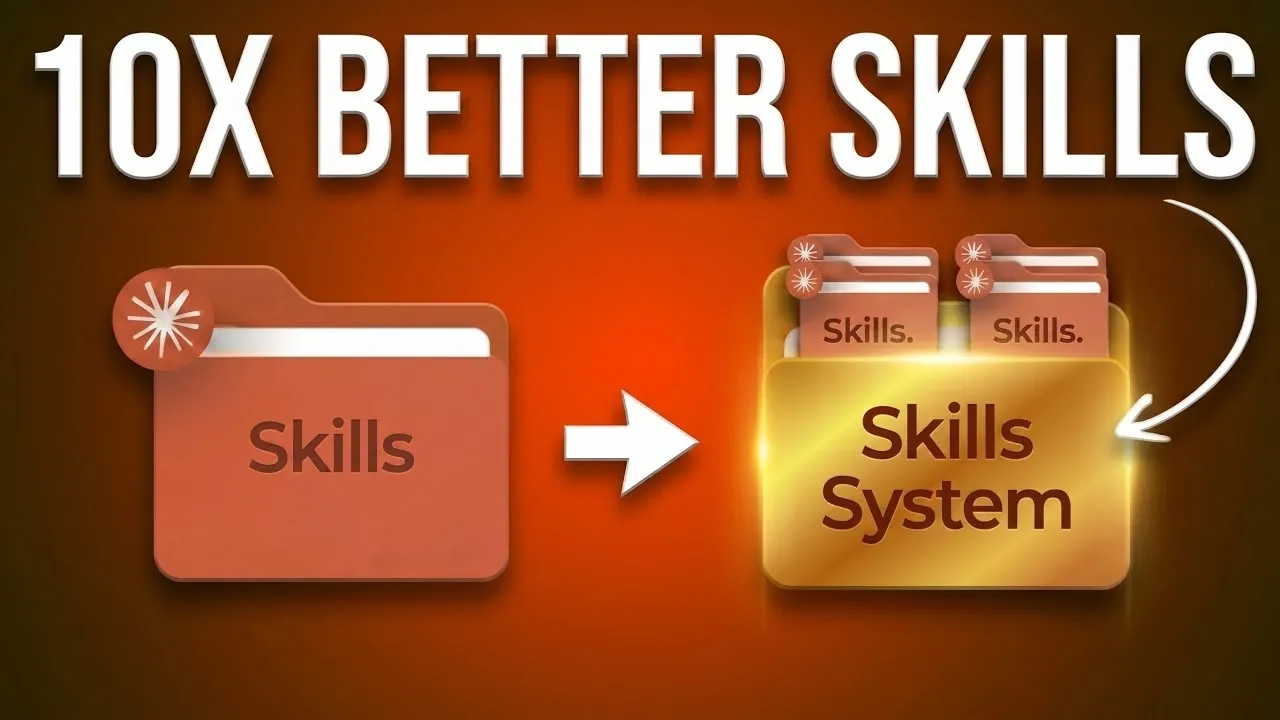
Relying on isolated systems like “Claude code skills” may seem effective for handling specific tasks, but this approach often introduces inefficiencies when integrating with broader workflows. Simon Scrapes explains that standalone solutions frequently require manual adjustments to bridge gaps between processes. For instance, using a transcription service to convert audio into text might yield accurate results, but the output often demands additional formatting before it can be applied elsewhere. To tackle these issues, Simon advocates for a skill systems approach, which focuses on integrating modular, reusable skills into coordinated workflows to enhance both efficiency and scalability.
Explore how adopting skill systems can improve task management by focusing on key principles like input/output standardization and context management, which help maintain consistency across workflows. Learn how modular skills can be combined to create tailored processes and review practical examples of how this method can optimize areas such as content creation or automation. This overview provides actionable insights to help you move beyond isolated solutions and build more cohesive, adaptable workflows.
The Problem with Isolated Skills
TL;DR Key Takeaways :
- Skill Systems Approach: Transitioning to a skill systems approach integrates modular, reusable skills into orchestrated workflows, enhancing efficiency, scalability and adaptability.
- Limitations of Isolated Skills: Isolated tools excel at specific tasks but fail to integrate seamlessly into broader workflows, leading to inefficiencies and increased manual effort.
- Drawbacks of Mega Skills: Mega skills lack modularity, face performance issues and are challenging to maintain, making them less effective for complex workflows.
- Key Components of Skill Systems: Effective skill systems rely on skill architecture, standardized input/output management, human checkpoints and context management to ensure smooth and efficient workflows.
- Advantages of Skill Systems: Skill systems streamline automation, improve quality and offer scalability through reusable, focused skills tailored to specific tasks and workflows.
Isolated skills are designed to perform single, specific tasks. While they may excel at their intended function, they often lack the ability to integrate seamlessly into broader workflows. This limitation creates inefficiencies, as these tools require manual intervention to connect with other processes.
For instance, consider using a transcription tool to convert audio into text. While the tool may perform the transcription accurately, you might need to manually format the output before passing it to an editing tool. This fragmented workflow wastes time, increases the risk of errors and reduces overall productivity. Isolated skills, by their very nature, fail to address the interconnected demands of real-world applications.
Why Mega Skills Aren’t the Answer
At the opposite end of the spectrum, “mega skills” attempt to handle multiple tasks within a single system. While they may appear to offer a comprehensive solution, they often come with significant drawbacks that undermine their effectiveness.
- Lack of Modularity: Mega skills are challenging to update or debug because changes in one component can disrupt the entire system.
- Performance Issues: These tools frequently struggle to deliver consistent results across all functions, as they are not optimized for specific tasks.
- Maintenance Challenges: Over time, maintaining such complex systems becomes cumbersome, making them less adaptable to evolving needs.
For example, a mega skill designed to handle transcription, editing and scheduling might underperform in one or more areas. This lack of optimization can lead to inconsistent results, ultimately negating the perceived benefits of an all-in-one solution.
Find more information on Claude Code by browsing our extensive range of articles, guides and tutorials.
- Anthropic Claude Code Review Preview: Multi-Agent Pull Request Reviews
- The Claude Code Leak Explained: Kyros, Ultra Plan & New Models
- Claude Code Skills 2.0 : Workflow Skills vs Capability Uplift Skills
- Claude Code 2 Feature Update: Automation, Workspace Links, and Skill Scoring
- Tired of Claude Code Permission Prompts? Try This New Feature
- Claude Code Leak Reveals Architecture, Commands, Memory & More
- Nested Claude Code System for Parallel Work in Tmux on macOS
- Claude Code 2 Adds Multi-Agent Code Review for Team & Enterprise
- Anthropic Brings Full Desktop Control to Claude Code
- Turn Claude Code Into an AI Workforce With Paperclip
The Skill Systems Approach: A Smarter Solution
Skill systems offer a balanced alternative by combining small, focused skills into orchestrated workflows. Each skill is designed to perform a specific task efficiently, while an orchestrator skill manages the sequence and dependencies between them. This approach ensures smooth transitions, reduces redundancy and enhances adaptability.
By adopting a skill systems approach, you can create workflows that are not only efficient but also scalable and tailored to your specific needs. This method allows you to focus on modularity and reusability, making sure that each component contributes to the overall success of the system.
Key Components of a Skill System
Building an effective skill system requires careful planning and attention to detail. Focus on these core components to ensure success:
- Skill Architecture: Clearly define the roles and sequence of individual skills within the workflow to ensure logical progression.
- Input/Output Management: Standardize data formats to assist seamless transitions between tasks and minimize errors.
- Human Checkpoints: Incorporate review stages for quality control and adjustments where necessary to maintain high standards.
- Context Management: Provide each skill with only the information it needs, avoiding unnecessary complexity and making sure efficiency.
These components work together to create a cohesive system that maximizes productivity while minimizing inefficiencies.
Real-World Applications
The versatility of skill systems makes them applicable across various industries and tasks. For example, consider the process of creating video content. A skill system could include the following steps:
1. Transcription of raw footage into text.
2. Selection of key clips based on the transcription.
3. Editing the selected clips for clarity and flow.
4. Scheduling the final video for publication on multiple platforms.
Each step is handled by a dedicated skill, with an orchestrator making sure smooth transitions between tasks. These skills can also be reused for other workflows, such as creating newsletters, optimizing SEO content, or managing social media campaigns. This reusability not only saves time but also ensures consistency and enhances overall productivity.
Advantages of Skill Systems
Skill systems provide several distinct advantages over isolated or mega skills. These benefits include:
- Streamlined Automation: By connecting tasks end-to-end, skill systems minimize the need for manual input, saving time and effort.
- Improved Quality: Focused, modular skills deliver tailored results that meet specific needs, making sure higher accuracy and reliability.
- Scalability: A library of reusable skills can be easily adapted to meet evolving requirements, making the system future-proof.
These advantages make skill systems an ideal choice for individuals and organizations looking to optimize their workflows and achieve better outcomes.
Best Practices for Building Skill Systems
To maximize the effectiveness of your skill systems, consider the following best practices:
- Design for Modularity: Create skills that focus on one task at a time, making sure they are easy to update and maintain.
- Prioritize Reusability: Develop skills that can integrate seamlessly into various workflows, enhancing their versatility and value.
- Avoid Overcomplexity: Steer clear of isolated or overly complex skills that are difficult to maintain or scale effectively.
By adhering to these guidelines, you can build skill systems that are efficient, adaptable and aligned with your long-term goals.
Embrace the Future with Skill Systems
Transitioning from isolated or mega skills to a skill systems approach can significantly enhance your automation strategy. By focusing on modularity, reusability and context management, you can create workflows that are not only efficient but also scalable and tailored to your unique needs. This approach enables you to streamline processes, improve productivity and adapt to future challenges with confidence. Instead of relying on fragmented tools, embrace skill systems to build a cohesive, efficient and future-ready solution.
Media Credit: Simon Scrapes
Disclosure: Some of our articles include affiliate links. If you buy something through one of these links, Geeky Gadgets may earn an affiliate commission. Learn about our Disclosure Policy.
