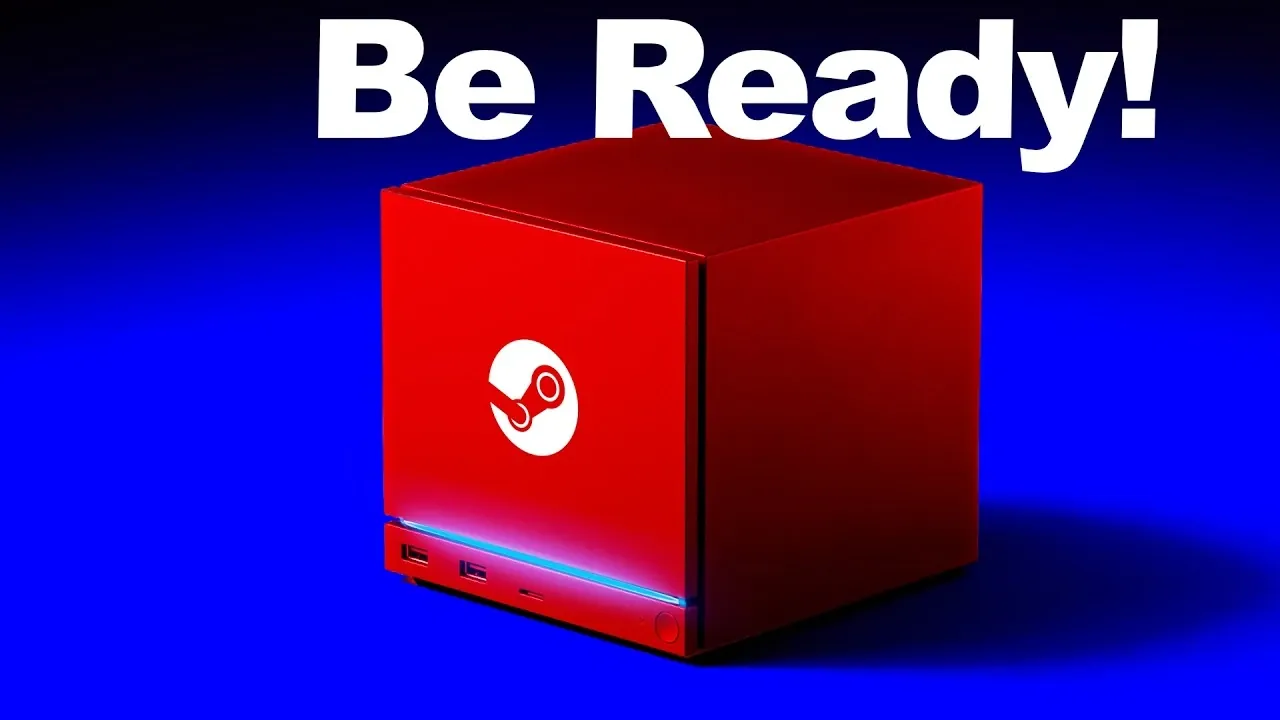
Valve has officially confirmed that the Steam Machine and Steam Frame are set to launch before June 2026, signaling a major step forward in gaming hardware. As highlighted by Deck Ready, the Steam Machine is designed as a compact console for living room setups, while the Steam Frame serves as a wireless adapter to enhance connectivity and reduce latency. Together, these devices aim to bridge the gap between traditional PC gaming and the convenience of console systems. Valve’s phased rollout strategy, which may include limited waves, reflects a focus on gathering early feedback and making sure production readiness.
In this release date overview, you’ll learn how the Steam Machine’s design prioritizes flexibility for larger screen setups and how the Steam Frame’s low-latency capabilities could improve gameplay performance. Additionally, the potential introduction of a standalone Steam Controller will be explored, including its compatibility with the Steam Deck and other platforms. These details provide a clearer picture of Valve’s broader hardware ecosystem and its implications for PC gaming enthusiasts.
Valve Steam Machine & Steam Frame : What to Expect
TL;DR Key Takeaways :
- Valve has announced the Steam Machine and Steam Frame, set for release before June 2026, aiming to bridge PC gaming and console convenience.
- The Steam Machine is a compact gaming console for living room setups, while the Steam Frame enhances wireless connectivity and reduces latency.
- Capcom resolved performance issues in the Resident Evil 4 remake by removing the Enigma DRM, significantly improving gameplay on PC and Steam Deck.
- Sony is shifting its PC port strategy to focus on second-party collaborations and live-service multiplayer titles, moving away from single-player exclusives.
- These developments highlight the gaming industry’s focus on hardware innovation, performance optimization and live-service models to adapt to evolving market demands.
Valve is preparing to launch the Steam Machine and Steam Frame, two complementary devices designed to redefine the PC gaming experience. The Steam Machine is a compact gaming console optimized for living room setups, offering a seamless way to enjoy PC games on larger screens. Meanwhile, the Steam Frame acts as a wireless adapter, enhancing connectivity and reducing latency for a smoother gaming experience. Together, these devices aim to provide gamers with greater flexibility and performance.
Recent updates, including new driver releases for the Steam Frame, indicate that development is nearing completion. Valve may adopt a phased rollout strategy, releasing the devices in limited waves to manage demand and address potential production challenges. This approach would allow Valve to gather early feedback and make necessary adjustments before a broader release.
Speculation also surrounds the potential release of a standalone Steam Controller. If introduced, this versatile accessory could integrate seamlessly with the Steam Deck, PCs and other platforms, further expanding Valve’s hardware ecosystem. Such a move would not only enhance the functionality of Valve’s devices but also solidify its position as a leader in gaming hardware innovation.
Resident Evil 4 Remake: Performance Issues Resolved
Capcom has successfully resolved a significant performance issue in the Resident Evil 4 remake, which had been affecting both PC and Steam Deck users. The problem stemmed from the Enigma DRM, a digital rights management system that caused severe slowdowns, even on high-performance hardware. Following widespread criticism from the gaming community, Capcom made the decision to remove the DRM entirely, resulting in substantial improvements in gameplay performance.
For Steam Deck users, Capcom has also introduced optimized settings to enhance the overall gaming experience. While the game now runs more smoothly, some minor issues persist, such as occasional frame rate drops during scoped gameplay. Despite these lingering challenges, the removal of the DRM has been widely praised, as it eliminates a major technical barrier and allows players to fully enjoy the game.
This development highlights the importance of addressing performance issues promptly to maintain player satisfaction. By listening to community feedback and implementing necessary changes, Capcom has demonstrated its commitment to delivering a high-quality gaming experience.
Steam Machine Release Date Update

Unlock more potential in Steam Machine by reading previous articles we have written.
- Steam Machine : Early 2026 Release Date, Prices, Specs & OS Features
- Steam Machine Pricing Tipped at $600 to $650 with Supply Tight
- Steam Machine Pricing Outlook, Early 2026 Release Window
- Worlds Smallest DIY Steam Machine : Ryzen 7840U for Steady 1080p Play
- Steam Machine Update : Pricing Delays & What Valve Can Do Next
- Steam Machine HDMI 2.1 Limits, Valve and AMD Fixes Explained
- Steam Machine 2026 Launch Plan Amid Component Shortages
- New Steam Machine Accessories : Plus GeForce Now App for Linux
- Steam Machine Price : Why Valve Set the Tag at $1,000 in 2026
- Steam Machine Price Forecast Rises to $750–$800 Range
Sony Adjusts PC Port Strategy
Sony has announced a significant shift in its approach to PC game ports, moving away from single-player PlayStation exclusives to focus on second-party collaborations and live-service multiplayer titles. This strategic adjustment comes in response to financial overviews indicating that PC sales contribute only a small portion of Sony’s overall gaming revenue. While earlier ports like Horizon Zero Dawn and God of War achieved notable success, more recent releases have seen diminishing returns, prompting Sony to reevaluate its strategy.
This change may disappoint PC gamers who were hoping for more PlayStation exclusives to become available on the platform. However, it aligns with Sony’s broader objective of strengthening its console ecosystem and prioritizing live-service games to generate recurring revenue. By emphasizing second-party partnerships, Sony aims to diversify its offerings while maintaining the appeal of its PlayStation brand.
Sony’s decision reflects a growing trend in the gaming industry, where companies are increasingly focusing on live-service models to ensure long-term engagement and profitability. This shift underscores the evolving priorities of major gaming companies as they adapt to changing market dynamics and player preferences.
Key Developments in Gaming
The gaming industry is undergoing significant transformations, as evidenced by these recent developments:
- Valve’s progress on the Steam Machine and Steam Frame highlights its dedication to advancing gaming hardware and creating a cohesive PC gaming ecosystem.
- Capcom’s removal of the Enigma DRM from the Resident Evil 4 remake demonstrates the importance of addressing performance issues to enhance player satisfaction.
- Sony’s shift in PC port strategy reflects a growing emphasis on live-service multiplayer games and ecosystem-driven business models.
These trends illustrate the dynamic nature of the gaming industry, where innovation, performance optimization and strategic decision-making play crucial roles in shaping the future. As companies like Valve, Capcom and Sony adapt to meet the evolving needs of players and the market, the gaming landscape continues to evolve, offering new opportunities and challenges for both developers and gamers alike.
Media Credit: Deck Ready
Disclosure: Some of our articles include affiliate links. If you buy something through one of these links, Geeky Gadgets may earn an affiliate commission. Learn about our Disclosure Policy.
