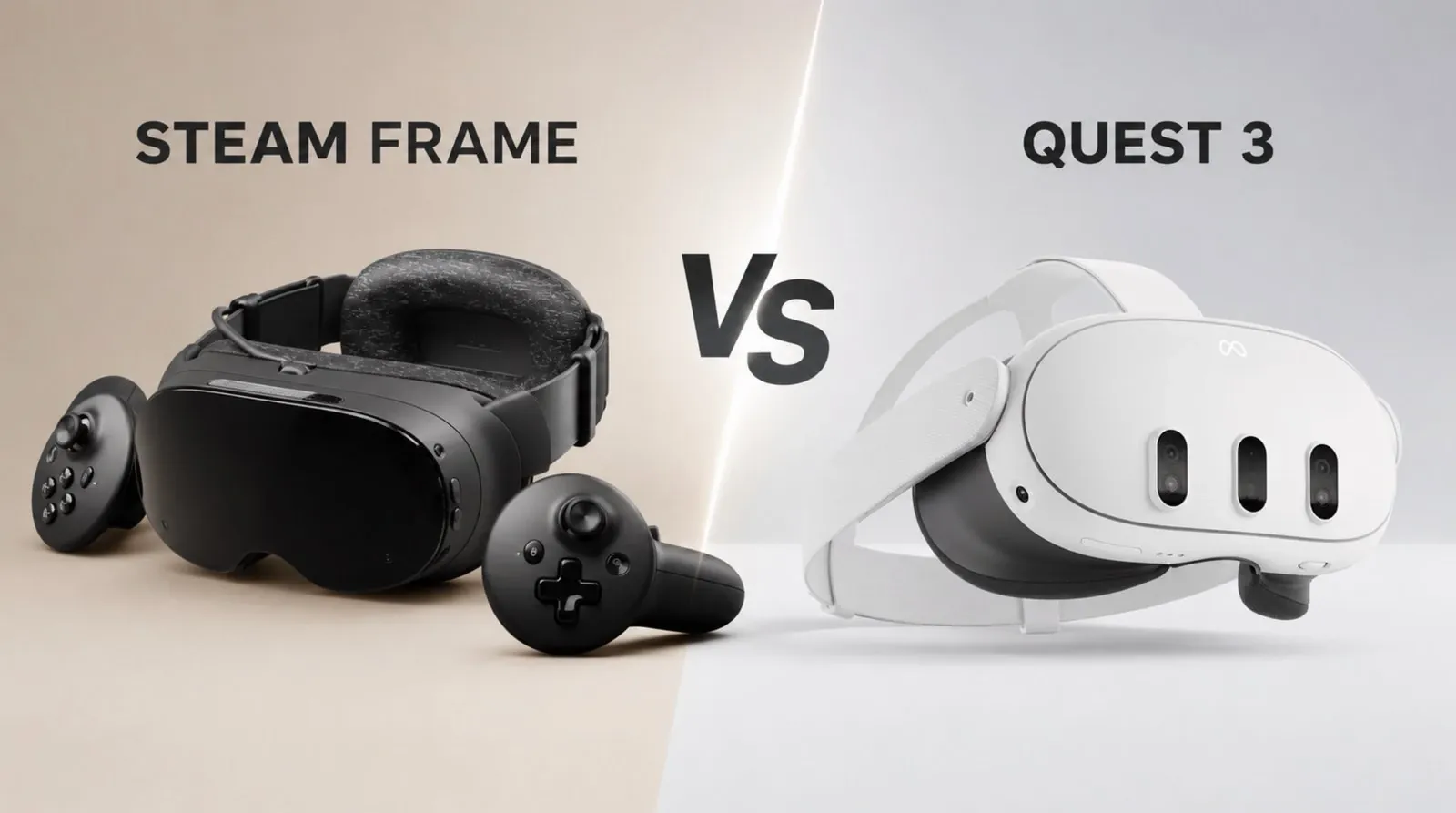
Valve’s upcoming Steam Frame and Steam Machine are generating buzz as potential game-changers in the VR and gaming hardware space. In a detailed comparison, Joshua Keith highlights how the Steam Frame outpaces Meta’s Quest 3 in key areas such as processing power, memory and display quality. For instance, the Steam Frame features the Snapdragon 8 Gen 3 processor and 16GB of LPDDR5X RAM, delivering a significant performance edge over the Quest 3’s Snapdragon XR2 Gen 2 and 8GB of RAM. These differences underscore Valve’s focus on creating a premium VR experience tailored for demanding gamers and enthusiasts.
In this breakdown, you’ll explore how the Steam Frame’s advanced tracking technology and Wi-Fi 7 connectivity enhance immersion and responsiveness, especially for PC VR streaming. You’ll also gain insight into Valve’s developer-friendly certification standards, which aim to expand the VR game library while maintaining quality. Finally, the overview examines the strategic pricing considerations for both the Steam Frame and Steam Machine, offering a glimpse into how Valve plans to position itself in the competitive VR market.
Steam Frame and Steam Machine: Launch Preparations
TL;DR Key Takeaways :
- Valve’s Steam Frame and Steam Machine are nearing launch, with a confirmed summer shipping window and an official announcement expected by late July.
- The Steam Frame outperforms Meta’s Quest 3 in key areas such as processor power, RAM, display resolution, refresh rate and tracking technology, offering a premium VR gaming experience.
- Valve is focusing on developer-friendly standards, lowering VR game certification requirements to 72Hz and aligning with industry trends to expand game compatibility.
- Pricing for the Steam Frame is expected to stay under $999, while the Steam Machine may target enthusiasts due to higher production costs driven by DDR5 and NVMe components.
- Valve’s gaming-centric approach positions the Steam Frame as a top choice for VR gamers, potentially setting new industry benchmarks and driving innovation in the VR hardware market.
Valve has been steadily laying the groundwork for the release of its Steam Frame and Steam Machine. Updates to the Steam client now include support for Steam Frame controllers and device-specific configurations, signaling that the hardware is in its final stages of development. Valve has confirmed a summer shipping window for both devices, with an official announcement expected by late July. While pricing details remain undisclosed, the company’s methodical approach suggests a strong focus on delivering a polished and competitive product.
The Steam Frame and Steam Machine are designed to cater to different segments of the gaming market. The Steam Frame focuses on delivering a premium VR experience, while the Steam Machine is expected to serve as a versatile gaming console. Both devices reflect Valve’s commitment to innovation and its intent to challenge established players in the VR and gaming hardware markets.
Steam Frame vs Quest 3: Key Comparisons
Valve’s Steam Frame is positioned as a direct competitor to Meta’s Quest 3 and a detailed comparison reveals several areas where the Steam Frame takes the lead. Below are the standout differences between the two devices:
- Processor: The Steam Frame is equipped with the Snapdragon 8 Gen 3, which delivers 20-40% better performance compared to the Quest 3’s Snapdragon XR2 Gen 2. This ensures smoother gameplay and faster processing for demanding VR applications.
- RAM: With 16GB of LPDDR5X RAM, the Steam Frame offers double the memory of the Quest 3, allowing faster data handling and improved multitasking capabilities.
- Display and Refresh Rate: The Steam Frame features a resolution of 2160×2160 per eye and an experimental 144Hz refresh rate mode, providing a sharper and more fluid visual experience than the Quest 3.
- Weight and Ergonomics: At 75 grams lighter than the Quest 3, the Steam Frame is designed for extended gaming sessions, reducing user fatigue and enhancing comfort.
- Tracking Technology: Advanced eye tracking and enhanced finger tracking on the Steam Frame elevate immersion and optimize PC VR streaming, offering a more seamless experience.
- Wireless Connectivity: Featuring Wi-Fi 7 and a dedicated 6GHz adapter, the Steam Frame ensures low-latency, high-quality streaming, an essential feature for PC VR enthusiasts.
These specifications highlight Valve’s focus on delivering a device that prioritizes performance and user experience, making it a strong contender in the premium VR market.

Enhance your knowledge on Steam Frame by exploring a selection of articles and guides on the subject.
- What Valve’s Leaks Reveal About the New Steam Frame VR Headset
- Inside Valve’s Bold Strategy for the Standalone Steam Frame VR
- Inside Valve’s Unusual Rollout Plan for the Steam Machine
- Valve Confirms Summer 2026 Release Window for Steam Machine and Steam Frame
- Why Valve’s New Steam Frame is a Major Shift for PC Gamers
- New SteamOS Update Reveals Details About Valve’s Upcoming Steam Machine
- Steam Frame Verified Badge Requires 90 FPS VR Plus Proton x86 Support
- Steam Machine Update : Valve Outlines Proton, FEX and Leptin Plan for One Game Build
- Valve’s Next VR Headset Could Actually Run Meta Quest Games
- What Valve’s Latest Hardware Leaks Reveal About the Modular Steam Machine
Developer-Friendly Standards
Valve has taken steps to create a more inclusive and developer-friendly ecosystem for VR game creators. By lowering the minimum refresh rate requirement for VR game certification from 90Hz to 72Hz, Valve has made it easier for developers to optimize their games for the Steam Frame. This adjustment reflects Valve’s understanding of the challenges developers face and its commitment to fostering innovation without compromising the quality of gaming experiences.
Additionally, Valve’s updated certification standards align with broader industry trends, making sure that developers can create content that is compatible across multiple platforms. This approach not only benefits developers but also enhances the overall value proposition for consumers by expanding the library of available VR games.
Pricing and Market Dynamics
The pricing of the Steam Frame and Steam Machine will likely reflect current market conditions, including global shortages of RAM and rising costs for DDR5 and NVMe components. Valve is reportedly aiming to keep the Steam Frame’s price under $999, positioning it as a competitive option in the high-end VR market. However, the Steam Machine, which relies heavily on DDR5 and NVMe storage, may face higher production costs, potentially resulting in a price point that appeals more to enthusiasts than budget-conscious buyers.
Valve’s pricing strategy will play a crucial role in determining the market reception of these devices. By balancing premium features with competitive pricing, Valve has the opportunity to attract a broad audience while solidifying its position as a leader in the VR hardware space.
Focus on Gaming Performance
The Steam Frame is designed with a clear focus on gaming performance, setting it apart from the Quest 3, which targets a broader range of extended reality (XR) applications. Valve’s dedication to VR gaming is evident in both its hardware and software development efforts. For developers, the standardized VR game certification process simplifies the creation of high-quality content. For consumers, the Steam Frame offers a device tailored specifically for immersive gaming, providing a more focused and refined experience.
Valve’s strategic emphasis on gaming-centric innovations underscores its commitment to meeting the needs of dedicated gamers and VR enthusiasts. This approach contrasts with Meta’s more diversified strategy, which spans gaming, productivity and social applications. By prioritizing gaming performance, Valve is positioning the Steam Frame as the go-to device for those seeking the best possible VR gaming experience.
Anticipated Announcement and Industry Impact
With a confirmed summer shipping window, Valve is expected to officially unveil the Steam Frame and Steam Machine by late July. This timeline aligns with the company’s history of announcing products close to their release dates, minimizing the gap between announcement and availability. The launch of these devices has the potential to set new benchmarks for high-performance VR hardware, further solidifying Valve’s reputation as an industry leader.
The broader implications for the VR industry are significant. The Steam Frame’s advanced features and competitive pricing could drive innovation among other manufacturers, raising the bar for what consumers expect from VR devices. For the gaming community, the arrival of the Steam Frame represents an exciting step forward in the evolution of immersive entertainment.
Media Credit: Joshua Keith
Disclosure: Some of our articles include affiliate links. If you buy something through one of these links, Geeky Gadgets may earn an affiliate commission. Learn about our Disclosure Policy.
