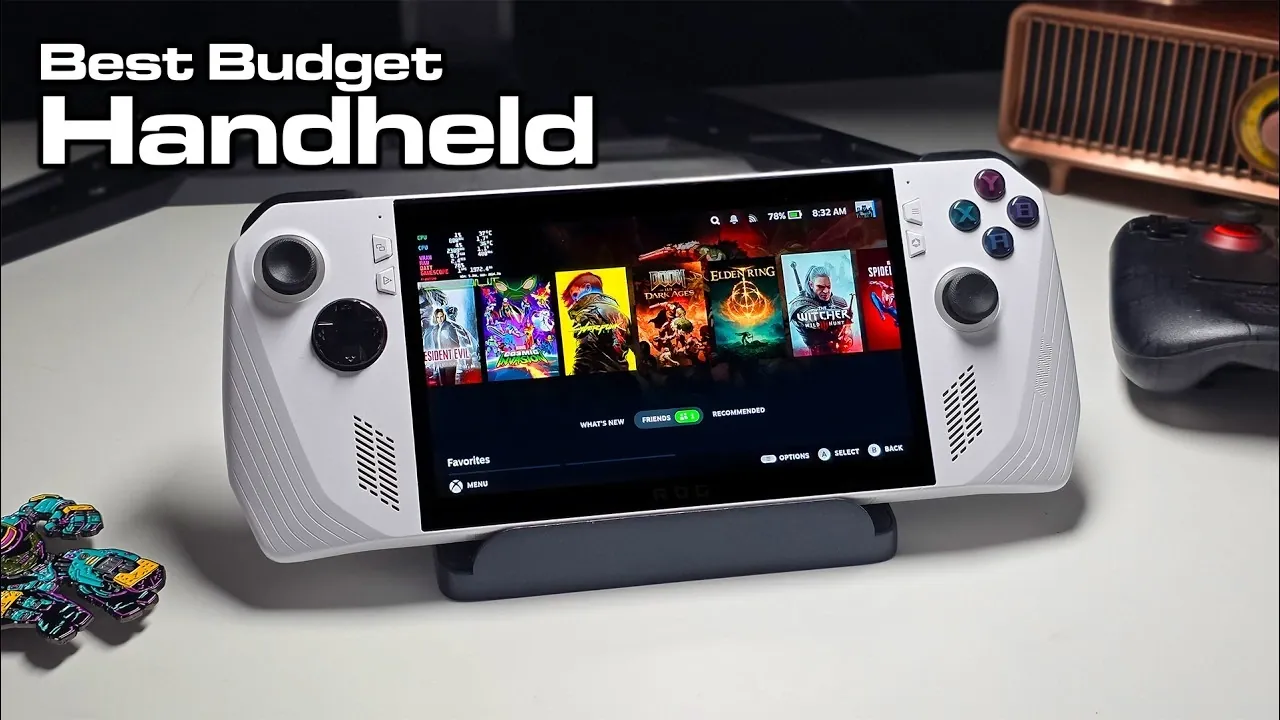
The ROG Ally with the Z1 Extreme processor stands out as a compelling option for gamers seeking a budget-friendly handheld console without sacrificing performance. Powered by AMD’s RDNA3-based GPU, the Z1 Extreme variant delivers smooth gameplay across demanding titles like Cyberpunk 2077 and Elden Ring. As highlighted by ETA Prime, this model balances affordability with high-end features, making it a competitive alternative to pricier devices like the Steam Deck. However, its stock 40Wh battery and potential issues with pre-owned units, such as damaged analog sticks or faulty SSDs, present challenges that may require additional upgrades.
In this overview, you’ll explore practical solutions to overcome these limitations, including SSD replacements and external power options to extend battery life. You’ll also discover how installing Steam OS and using TDP control can optimize performance and customization for a tailored gaming experience. Whether you’re considering a new or second-hand unit, this breakdown will help you weigh the trade-offs and determine if the ROG Ally is the right fit for your gaming needs.
ROG Ally Gaming Handheld Specs
TL;DR Key Takeaways :
- The ROG Ally with the Z1 Extreme processor offers high performance at a competitive price, making it a strong alternative to premium handheld consoles like the Steam Deck.
- It excels in running demanding games with technologies like FidelityFX Super Resolution (FSR) and frame generation, while also supporting less intensive titles with a low-power mode for extended battery life.
- Customization options, such as installing Steam OS, TDP control and third-party plugins, allow users to optimize and personalize the device for their gaming needs.
- Challenges with pre-owned units, such as damaged hardware or limited storage, can be addressed through upgrades like replacing the SSD or installing a new operating system.
- The device’s limited 40Wh battery life is a notable drawback, but aftermarket solutions like higher-capacity batteries or portable chargers can extend playtime, albeit at an additional cost.
The ROG Ally is designed to compete with other handheld gaming consoles, offering a portable solution for gamers who value performance and versatility. At its core, the device is powered by AMD’s Z1 Extreme processor, which features a robust RDNA3-based GPU. This combination ensures exceptional CPU and GPU performance, making it capable of handling demanding games with ease.
Two versions of the ROG Ally are available: the standard Z1 model, which is more affordable but less powerful and the Z1 Extreme variant, which is the focus of this analysis. The Z1 Extreme version is ideal for gamers who want high performance without exceeding their budget. Its ability to deliver smooth gameplay and handle graphically intensive titles makes it a standout option in the handheld gaming market.
Performance and Gaming Capabilities
The ROG Ally with the Z1 Extreme processor excels in delivering a smooth gaming experience across a wide range of titles. Games such as Cyberpunk 2077, Elden Ring, Spider-Man 2, and The Witcher 3 run efficiently, thanks to advanced technologies like FidelityFX Super Resolution (FSR) and frame generation. These features enhance frame rates and visual quality, making sure an immersive experience even in demanding scenarios.
For gamers who enjoy less intensive titles, the device’s low-power mode is a practical feature. It supports 2D games and extends battery life to approximately 4.5 hours, striking a balance between performance and efficiency. This versatility makes the ROG Ally suitable for a variety of gaming preferences, from AAA titles to indie games.

Discover other guides from our vast content that could be of interest on handheld games consoles.
- Panther Lake Handhelds : Intel’s Push into Portable PC Gaming
- Best Gaming Handhelds 2025 Guide for Steam OS & Windows Players
- World’s Most Powerful Handheld Laser in 2025 : 250 Watt
- Panther Lake vs Z2 Extreme : FPS Results Benchmarks
- ClockworkPi uConsole Linux handheld PC
- Print-A-Sketch DIY handheld conductive ink printer
- Intel Panther Lake Processors Tranforming Gaming Handhelds
- Steam Deck OLED Stock Status & What to Expect
- MSI Claw A8 Review: Can It Handle Borderlands 4 on the Go?
- AYN Odin 2 Portal Games Console Review : Specs & Prices
Challenges with Pre-Owned Units
For budget-conscious gamers, purchasing a second-hand ROG Ally can be an appealing option. However, pre-owned units often come with certain challenges that may require attention, such as:
- A non-functional or damaged right analog stick
- An untested or faulty microSD slot
- A missing or underperforming SSD
Fortunately, these issues can be resolved through modifications and upgrades. For instance, replacing the default SSD with a 1TB M.2 SSD not only addresses storage limitations but also enhances the device’s overall usability. Additionally, installing Steam OS instead of the default Windows operating system can improve compatibility with games and optimize performance. These adjustments allow you to unlock the full potential of the ROG Ally, even if purchased second-hand.
Battery Life: A Notable Limitation
One of the most significant drawbacks of the ROG Ally is its 40Wh stock battery, which limits its runtime compared to newer handheld consoles with larger batteries. For gamers who prioritize extended play sessions, this can be a concern. However, there are aftermarket solutions available to address this limitation, including:
- Higher-capacity replacement batteries
- External power solutions, such as portable chargers or power banks
While these upgrades can significantly improve battery life, they may increase the overall cost of the device and slightly reduce its portability. Gamers who value longer play sessions should weigh these factors when considering the ROG Ally.
Customization and Personalization
One of the ROG Ally’s standout features is its potential for customization. Installing Steam OS opens up a range of options that allow you to tailor the device to your specific needs. For example, TDP (Thermal Design Power) control enables you to adjust power consumption based on your performance requirements, providing flexibility for different gaming scenarios.
Additionally, third-party plugins can be installed to further enhance the device’s functionality. Examples of popular modifications include:
- RGB lighting control tools for aesthetic customization
- Software that extends TDP limits to boost performance
These customization options make the ROG Ally an appealing choice for gamers who enjoy optimizing and personalizing their hardware. By taking advantage of these features, you can create a gaming experience that is uniquely tailored to your preferences.
Is It Worth the Investment?
When purchased second-hand, the ROG Ally with the Z1 Extreme processor and a 512GB SSD typically costs between $350 and $400, making it a budget-friendly alternative to premium handheld consoles, which often range from $800 to $1,200. This price point, combined with its strong performance and extensive customization options, makes it an attractive option for gamers on a budget.
However, it is important to consider the trade-offs. The device’s limited battery life and potential hardware issues, especially in pre-owned units, may require additional investment in upgrades and repairs. For gamers who are willing to invest time and effort into modifications, the ROG Ally offers a rewarding and cost-effective gaming experience. Its combination of performance, flexibility and affordability makes it a compelling choice in the handheld gaming market.
Media Credit: ETA PRIME
Disclosure: Some of our articles include affiliate links. If you buy something through one of these links, Geeky Gadgets may earn an affiliate commission. Learn about our Disclosure Policy.
