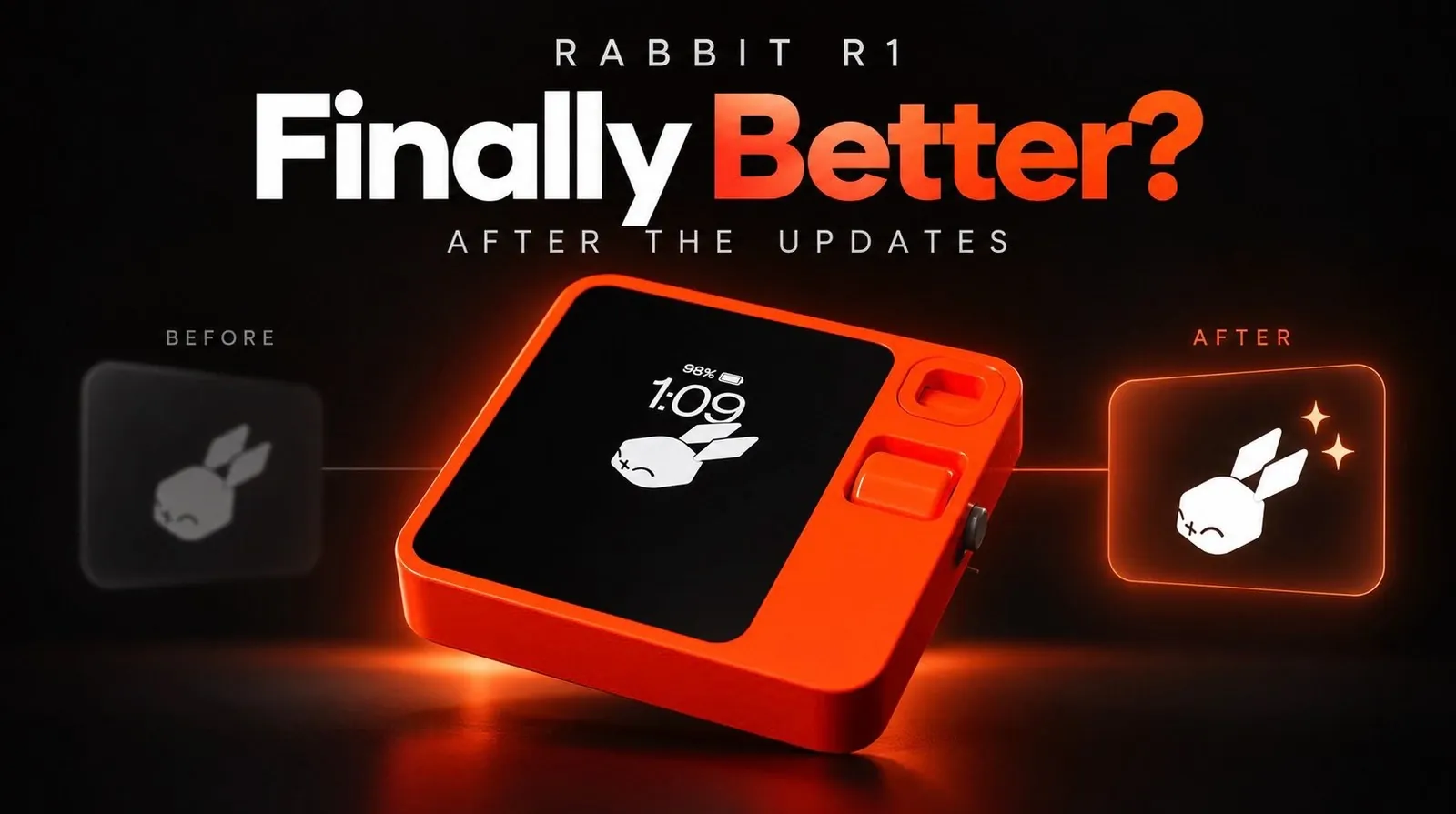
The Rabbit R1 AI Assistant has come a long way since its rocky debut in 2024. Initially marketed as a minimalist device for distraction-free productivity, it faced significant setbacks, including frequent software bugs, limited app integration and even a high-profile security breach. Now, after two years of updates, the Rabbit R1 incorporates advanced AI models like Open Claw and Hermes, aiming to address these early flaws. Reysu explores whether these improvements, such as enhanced content summarization and email management, are enough to make the device a practical choice for users seeking simplicity over complexity.
In this breakdown, you’ll gain insight into how the Rabbit R1’s updates impact its usability, from its streamlined task execution features to its continued challenges with transcription accuracy. Discover how its minimalist design, including a push-to-talk interface and app-free workflow, appeals to a niche audience while presenting trade-offs for users with more demanding needs. By the end, you’ll have a clear understanding of whether the Rabbit R1’s strengths align with your priorities in an AI assistant.
What Went Wrong at Launch?
TL;DR Key Takeaways :
- The Rabbit R1, launched in 2024, initially struggled due to software bugs, AI hallucinations, security concerns and limited app integration, which damaged its reputation.
- Significant updates have improved the device, including advanced AI models, content summarization, email management and no subscription fees for core features.
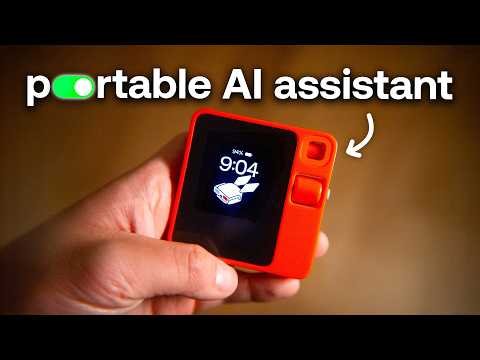
- The minimalist design, developed with Teenage Engineering, emphasizes simplicity with no apps or notifications, a push-to-talk button and optional SIM card functionality.
- Despite improvements, the Rabbit R1 still faces challenges such as less capable built-in AI, lower transcription accuracy and slower performance compared to smartphones or computers.
- The Rabbit R1 offers a distraction-free, app-free productivity experience, appealing to users seeking simplicity, but its limitations may deter those with more complex needs.
The Rabbit R1 aimed to redefine personal productivity by offering a focused, distraction-free experience. However, its launch was marred by several critical issues that overshadowed its innovative concept and left early adopters disappointed.
- Frequent software bugs and AI hallucinations undermined the device’s reliability, frustrating users who expected seamless performance.
- A high-profile hacking incident raised serious concerns about the device’s security, damaging consumer trust.
- Limited integration with mainstream apps alienated users accustomed to the convenience of interconnected ecosystems.
These problems, combined with negative reviews and widespread skepticism, tarnished the Rabbit R1’s reputation and cast doubt on its viability as a productivity tool.
How Has the Rabbit R1 Improved?
In response to its rocky debut, the Rabbit R1 has undergone significant updates designed to address its initial flaws and expand its functionality. By integrating advanced AI models such as Open Claw, Cloud Code and Hermes, the device has evolved into a more capable and versatile tool. Key improvements include:
- Content summarization capabilities that allow users to process information more efficiently.
- Email management and task execution across connected devices, enhancing its utility for everyday productivity.
- No subscription fees for core features, making it a cost-effective option for users seeking AI-driven assistance without recurring costs.
These updates have significantly improved the Rabbit R1’s appeal, particularly for users who value simplicity and a distraction-free environment. However, while the enhancements are substantial, they do not entirely eliminate the device’s limitations.
Expand your understanding of AI assistant with additional resources from our extensive library of articles.
- Make a Tiny Pocket ESP32 Al Assistant to Manage Thermostats and Lights
- Raspberry Pi Chatbot Turned Into an Al Agent
- Setup Your Hermes AI Assistant in Just 2 Minutes : with Customizable Memory and More
- Why Local AI is Becoming Essential as Cloud Models Face New Restrictions
- Leaked iOS 27 Details Reveal a Completely Transformed Siri
- Even Realities G2 Smart Glasses Built for Busy Professionals
- Google Confirms Gemini 4 Will Replace the Gemini 3.5 Pro
- Anthropic Caps Fable 5 at 50% Capacity for Premium Users
- Claude AI Now Embeds Invisible Watermarks Into Generated Text
- DeepSeek DSpark Accelerates AI Math and Coding Speeds By 85%
Design and Usability: A Minimalist Approach
The Rabbit R1’s design, developed in collaboration with Teenage Engineering, remains one of its standout features. Its minimalist aesthetic and functionality are tailored to users seeking a focused, distraction-free experience. Key design elements include:
- No apps or notifications to divert attention, making sure users remain focused on their tasks.
- A single push-to-talk button for voice-driven interaction, simplifying user input and reducing complexity.
- Optional SIM card functionality, allowing the device to operate as a standalone communication tool.
While the minimalist design is ideal for users prioritizing simplicity, it also introduces certain usability challenges. The small screen and limited keyboard integration can make the device less practical for tasks requiring extensive input, potentially limiting its appeal for users with more complex needs.
What Sets the Rabbit R1 Apart?
The Rabbit R1 distinguishes itself by offering a dedicated platform for AI-driven productivity, free from the distractions of traditional smartphones and devices. Its unique approach caters to users seeking a streamlined, app-free workflow. Notable strengths include:
- Streamlined task execution across connected devices, allowing efficient management of daily responsibilities.
- A distraction-free environment that fosters focus and productivity.
- Compatibility with app-free workflows, appealing to users who prefer simplicity over the complexity of traditional devices.
This focus on simplicity and productivity positions the Rabbit R1 as a compelling option for individuals looking to minimize digital clutter and maximize efficiency.
Where Does It Still Fall Short?
Despite its improvements, the Rabbit R1 is not without its flaws. Certain limitations persist, which may deter users with more demanding requirements. Key shortcomings include:
- The built-in AI, Rabbit Intern, remains less capable than external AI models, limiting its effectiveness for complex or nuanced tasks.
- Transcription accuracy lags behind competitors like Whisper AI, which could frustrate users relying on precise voice-to-text functionality.
- Performance is slower compared to running AI models directly on smartphones or computers, reducing its appeal for power users.
These limitations, combined with the device’s small screen and restricted input options, highlight areas where the Rabbit R1 still has room for improvement.
What Does the Future Hold?
The Rabbit R1’s evolution reflects the growing potential of dedicated AI devices in an era increasingly focused on voice-driven interfaces and app-free ecosystems. By prioritizing simplicity and productivity, the device offers a glimpse into the future of personal assistants. However, its persistent limitations underscore the challenges of balancing innovation with practicality.
As AI technology continues to advance, the success of devices like the Rabbit R1 will depend on their ability to integrate seamlessly into daily workflows while addressing user demands for speed, accuracy and versatility. For now, the Rabbit R1 represents an intriguing step forward in the development of AI-driven tools, offering both promise and room for growth. Whether it’s the right choice for you will depend on your priorities and how well its strengths align with your needs.
Media Credit: Reysu
Disclosure: Some of our articles include affiliate links. If you buy something through one of these links, Geeky Gadgets may earn an affiliate commission. Learn about our Disclosure Policy.
