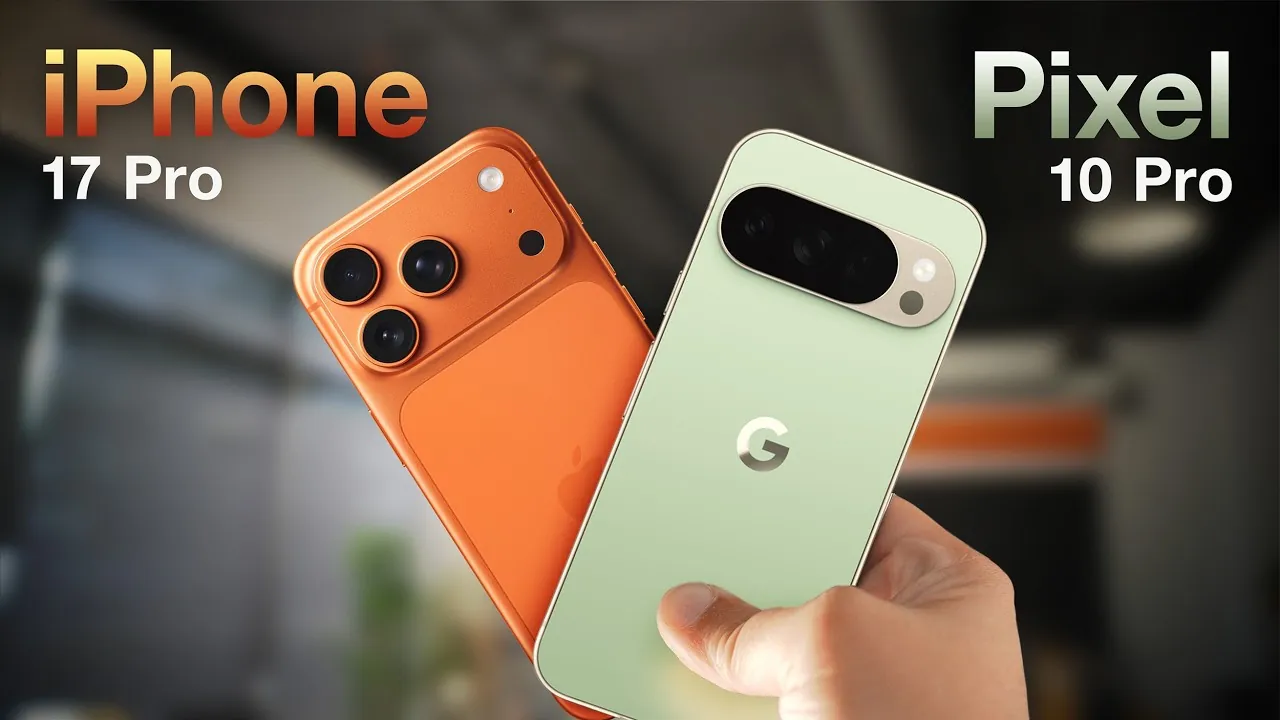
The Pixel 10 Pro and iPhone 17 Pro represent the pinnacle of modern smartphone technology, offering a range of features that cater to diverse user needs. From design and durability to camera performance and AI functionality, these devices are designed to deliver exceptional user experiences. Choosing between them depends on your specific priorities, whether it’s seamless ecosystem integration, advanced AI capabilities, or professional-grade video recording. The video below from MacRumors gives us a look at the two handsets.
Design and Ergonomics
The design philosophies of the Pixel 10 Pro and iPhone 17 Pro reflect distinct approaches to aesthetics and functionality, appealing to different user preferences.
– Pixel 10 Pro: This device features a polished aluminum frame paired with a frosted glass back, creating a sleek and modern appearance. Its evenly distributed camera module ensures a stable, wobble-free experience when placed on flat surfaces, making it practical for everyday use.
– iPhone 17 Pro: Apple’s design emphasizes premium aesthetics, with a matte aluminum frame and frosted glass cutout. However, the prominent camera plateau can cause noticeable instability on flat surfaces unless a case is used.
Both devices are comfortable to hold, but the Pixel leans toward practicality, while the iPhone prioritizes a luxurious feel. If stability and functionality are key factors for you, the Pixel may be the better option.
Durability and Materials
Durability is a critical consideration for users who want their devices to withstand daily wear and tear. Both smartphones employ advanced materials, but their strengths differ.
– iPhone 17 Pro: Equipped with Ceramic Shield 2 glass, the iPhone offers excellent scratch resistance and reduced smudging. However, its aluminum frame is more prone to scratches, which may require the use of a protective case for long-term durability.
– Pixel 10 Pro: The Pixel uses Gorilla Glass Victus 2, which is renowned for its superior impact resistance. While it fares better against drops, it is slightly more susceptible to scratches compared to Ceramic Shield 2.
If scratch resistance is your priority, the iPhone has a slight edge. However, for users concerned about accidental drops, the Pixel’s impact-resistant materials provide added peace of mind.
Display Technology
Both the Pixel 10 Pro and iPhone 17 Pro feature 6.3-inch OLED displays with 120Hz variable refresh rates, delivering smooth visuals and vibrant color reproduction. For users who prefer larger screens, there are alternative models available:
- Pixel 10 Pro XL: Features a 6.8-inch display, offering a slightly larger viewing area.
- iPhone 17 Pro Max: Features a 6.9-inch screen, making it the largest option between the two brands.
Both displays excel in brightness and color accuracy, making them ideal for media consumption, gaming, and productivity. Subtle differences in color calibration may appeal to users with specific preferences, but both devices deliver top-tier visual experiences.
Camera Performance
The camera systems on these smartphones are among the best in the industry, but they cater to different photographic styles and preferences.
– Pixel 10 Pro: Known for its sharpness and detail, the Pixel excels in capturing intricate textures and distant subjects with its 5x-10x optical zoom range. However, its images can sometimes appear overly processed, which may not appeal to users seeking natural tones.
– iPhone 17 Pro: Apple’s camera system emphasizes natural color reproduction and introduces a 48MP telephoto lens with a 4x-8x optical zoom range. The 18MP front-facing camera features a square sensor that adjusts orientation for optimal framing, enhancing selfie and video call quality.
If you prioritize sharpness and zoom capabilities, the Pixel is a strong contender. On the other hand, if natural color tones and versatile telephoto options are more important, the iPhone stands out.
Video Capabilities
For video enthusiasts, the iPhone 17 Pro sets a new standard with its professional-grade features.
– iPhone 17 Pro: Supports ProRes and ProRes RAW formats, making it a favorite among content creators and videographers. These features allow for high-quality video editing and production, catering to professionals who demand precision.
– Pixel 10 Pro: While the Pixel offers improved video quality for casual users, it lacks the advanced recording formats and tools available on the iPhone.
If you’re a professional videographer or content creator, the iPhone is the clear choice. However, for everyday video recording, the Pixel’s capabilities are more than sufficient for most users.
Ecosystem Integration
Ecosystem integration plays a significant role in the overall user experience, especially for those already invested in a particular brand’s devices.
– iPhone 17 Pro: Seamlessly integrates with Apple’s ecosystem, offering features like iMessage, AirDrop, and MagSafe accessories. These tools enhance convenience and connectivity for users who own other Apple products.
– Pixel 10 Pro: Introduces Pixel Snap, a feature that is compatible with MagSafe accessories, bridging the gap between ecosystems. It also integrates smoothly with Google services, making it a compelling choice for users already invested in Google’s ecosystem.
Your decision will largely depend on your existing devices. If you’re deeply embedded in Apple’s ecosystem, the iPhone will offer a more seamless experience. Conversely, the Pixel provides a strong alternative for those who rely on Google’s services.
AI and Software
AI functionality is a defining feature of both devices, but their approaches differ significantly.
– Pixel 10 Pro: Powered by Google Gemini AI, the Pixel offers advanced features such as real-time language translation, predictive text, and enhanced photo editing. These tools showcase Google’s expertise in AI-driven functionality, making the Pixel a leader in this area.
– iPhone 17 Pro: Relies on Siri for AI tasks, which, while capable, lacks the depth and seamless integration of Google Gemini AI. However, Siri remains a reliable assistant for users accustomed to Apple’s ecosystem.
If AI-driven features are a priority, the Pixel 10 Pro is the superior choice. However, for users who value simplicity and are already familiar with Siri, the iPhone remains a dependable option.
Final Thoughts
The Pixel 10 Pro and iPhone 17 Pro are both exceptional smartphones, each excelling in different areas:
- iPhone 17 Pro: Stands out for its professional-grade video capabilities, seamless ecosystem integration, and scratch-resistant materials.
- Pixel 10 Pro: Impresses with its AI functionality, camera detail, and practical design that prioritizes everyday usability.
Ultimately, your choice will depend on your personal preferences, existing tech ecosystem, and the features you value most. Both devices represent the forefront of smartphone innovation, making sure a premium experience regardless of your decision.
Enhance your knowledge on Pixel 10 Pro vs iPhone 17 Pro comparison by exploring a selection of articles and guides on the subject.
- iPhone 17 Pro Max vs Pixel 10 Pro XL vs Galaxy S25 Ultra
- iPhone 17 Pro Max vs Pixel 10 Pro XL vs S25 Ultra Camera Test
- iPhone 17 Pro Max vs Galaxy S25 Ultra vs Pixel 10 XL
- iPhone 17 Pro Max vs Pixel 10 Pro XL Camera Comparison
- Best Camera 2025 iPhone 17 Pro Max Galaxy S25 Ultra Pixel 10
Source & Image Credit: MacRumors
Disclosure: Some of our articles include affiliate links. If you buy something through one of these links, Geeky Gadgets may earn an affiliate commission. Learn about our Disclosure Policy.
