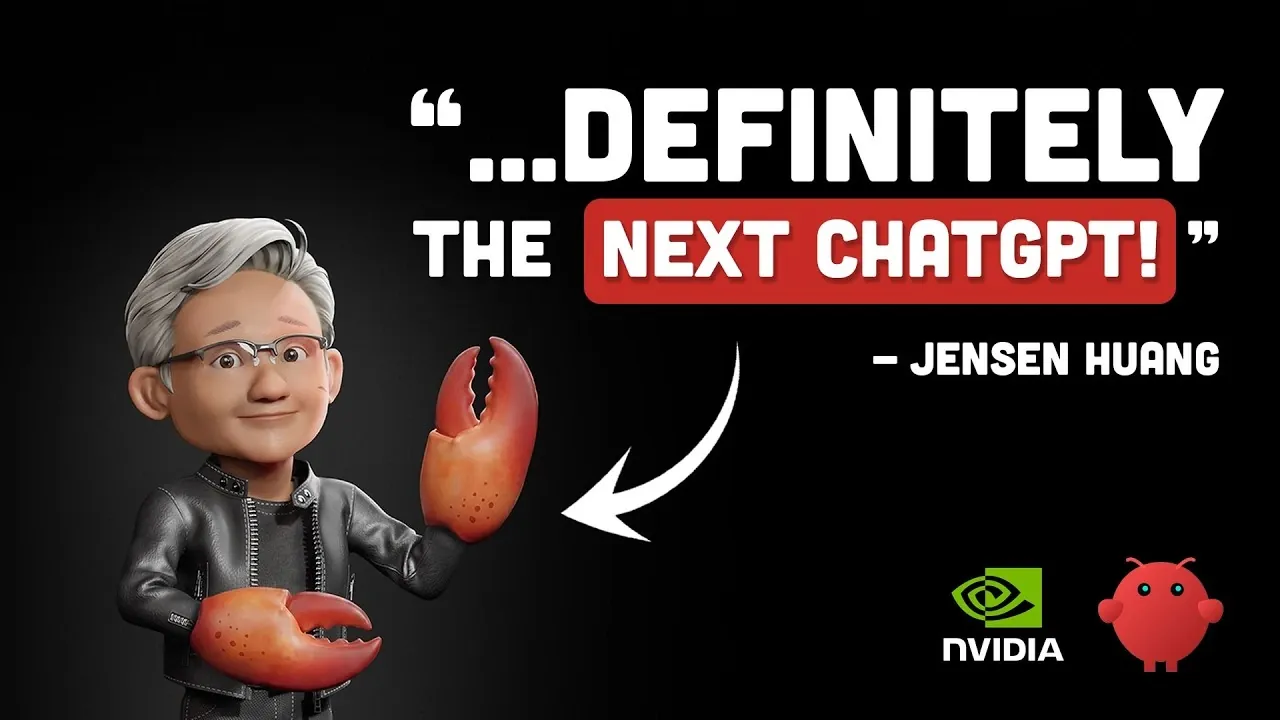
NVIDIA’s NemoClaw introduces a security-first approach to managing autonomous AI agents, addressing critical vulnerabilities in AI workflows. Built on an open source foundation, it incorporates features like real-time monitoring, declarative security policies, and sandboxing to enhance operational safety. Better Stack highlights how NemoClaw builds upon its predecessor, OpenClaw, by introducing stricter security protocols and a manual approval system for flagged actions. However, these advancements come with trade-offs, as the platform’s usability and performance challenges limit its practicality for large-scale production environments.
Explore how NemoClaw balances security with operational efficiency and gain insight into its deployment process, including the reliance on NVIDIA’s Brev cloud GPU service and the integration of a Telegram bot for notifications. This feature also examines the platform’s performance bottlenecks, such as slower inference speeds and the challenges posed by manual approvals in time-sensitive workflows. By understanding these dynamics, you’ll be better equipped to evaluate NemoClaw’s potential for your specific AI deployment needs.
Understanding NemoClaw and Its Importance
TL;DR Key Takeaways :
- NVIDIA’s NemoClaw enhances AI security with features like real-time monitoring, declarative security policies and sandboxing, addressing vulnerabilities in autonomous AI operations.
- The platform enforces strict security protocols, including manual approvals for flagged actions, making sure higher control but potentially slowing down time-sensitive workflows.
- Built on an open source stack, NemoClaw offers transparency but faces challenges such as a complex setup process and limited customization options for security rules.
- Performance issues, including slower inference speeds and unstable integrations like the Telegram bot, hinder productivity and operational efficiency.
- While currently better suited for experimental use, future improvements in usability, performance and customization could make NemoClaw a more practical solution for secure AI deployment in production environments.
NemoClaw was developed to provide a secure and controlled environment for managing autonomous AI agents. Its primary objective is to mitigate risks associated with AI-driven workflows by enforcing strict security protocols. At the core of this framework is NVIDIA OpenShell, a sandbox environment that enables real-time activity monitoring and the enforcement of security policies without compromising system integrity. By addressing the security gaps in its predecessor, OpenClaw, NemoClaw aims to create a safer operational framework for AI applications.
The platform’s emphasis on security is particularly relevant in enterprise environments where the risks of unauthorized access, data breaches, or unintended AI behaviors can have significant consequences. NemoClaw’s ability to enforce manual approvals for flagged actions and regulate sensitive operations ensures a higher degree of control, making it a valuable tool for organizations prioritizing safety in AI deployment.
Core Features of NemoClaw
NemoClaw is built on an open source stack, offering transparency and flexibility for developers. Its key features include:
- A master Python script that acts as a blueprint for managing the lifecycle of autonomous AI agents, streamlining their deployment and operation.
- Declarative security policies that govern file access, network requests and AI inference calls, making sure strict adherence to predefined safety protocols.
- An integrated manual approval system within NVIDIA OpenShell, allowing users to review and approve flagged actions before execution, thereby reducing the risk of unintended consequences.
These features collectively enhance the platform’s security and operational control. However, the reliance on manual approvals can introduce delays, particularly in high-frequency or time-sensitive workflows, where automation is critical for maintaining efficiency.

Browse through more resources below from our in-depth content covering more areas on NVIDIA.
- NVIDIA DLSS 5 Real-Time Neural Rendering Explained
- NVIDIA NemoClaw at GTC 2026: OpenClaw Enterprise Security
- NVIDIA Buys Groq : Licensing Targets Cheaper Inference
- NemoClaw : NVIDIA Goes All in on OpenClaw for Enterprises
- NVIDIA Releases Open Source Nitrogen, Aimed Beyond Games
- NVIDIA GTC 2026 Nemoclaw Launch & AI Agent Updates
- DLSS 5 Backlash : NVIDIA AI Changes Lighting & Visuals
- DLSS 5 vs DLSS 4 : What Actually Changes in Game Visuals
- NVIDIA Risk : Datacenter Spend vs Device-Side AI Momentum
- NVIDIA Groq Licensing Explained, $20B Deal Reshapes AI Chips
Deployment: A Complex and Time-Consuming Process
Setting up NemoClaw involves a multi-step process that requires obtaining an NVIDIA API key and a Telegram bot token. The platform is hosted on NVIDIA’s Brev cloud GPU service, which provides the computational resources necessary for AI inference. While the setup process is accompanied by detailed documentation, it is far from seamless. Users may encounter installation errors that require manual troubleshooting, making the process time-intensive and potentially frustrating for those without advanced technical expertise.
The complexity of the deployment process creates a barrier to entry, particularly for smaller organizations or individual developers who may lack the resources or expertise to navigate these challenges. Simplifying the setup process would significantly enhance the platform’s accessibility and appeal to a broader audience.
Performance and Operational Bottlenecks
Performance remains one of NemoClaw’s most significant drawbacks. Inference speeds, particularly when using the recommended Neotron AI model, are slower than expected, which can hinder productivity in real-world applications. Additionally, the integration of the Telegram bot for notifications and manual approvals is prone to instability and frequent errors, further disrupting workflows.
The platform’s reliance on manual approvals for network requests, while enhancing security, can also slow down operations. This trade-off between security and efficiency highlights the need for a more balanced approach that maintains robust safety measures without compromising performance.
Challenges and Limitations
While NemoClaw introduces valuable security features, it also comes with several limitations that impact its usability and adaptability:
- The complex setup process often requires manual intervention, creating a steep learning curve for less experienced users.
- Strict security policies, while essential for safety, limit the platform’s ability to operate autonomously, reducing its efficiency in dynamic environments.
- Customization options for security rules are limited, restricting the ability to tailor the platform to specific organizational needs or unique use cases.
These challenges underscore the need for further development to make NemoClaw more user-friendly and versatile, particularly for organizations with diverse operational requirements.
Future Potential and Areas for Improvement
Despite its current shortcomings, NemoClaw demonstrates significant potential as a security-focused platform for managing autonomous AI agents. Its emphasis on real-time monitoring and strict security protocols addresses critical concerns in AI deployment, particularly in industries where safety and compliance are paramount. However, to achieve broader adoption, the platform must address its usability and performance issues.
Future updates could focus on simplifying the setup process, improving inference speeds and enhancing the stability of integrations like the Telegram bot. Additionally, expanding customization options for security policies would make the platform more adaptable to a wider range of use cases. These improvements would position NemoClaw as a more practical and reliable solution for both experimental and production environments.
A Platform with Promise and Room for Growth
NVIDIA’s NemoClaw is an ambitious initiative aimed at creating a secure and functional environment for managing autonomous AI agents. Its features align well with the growing need for robust security measures in AI operations. However, usability challenges, performance limitations, and a complex deployment process currently hinder its effectiveness. While NemoClaw is better suited for experimental or development environments in its current form, it holds the potential to evolve into a more user-friendly and efficient platform with future refinements. For organizations prioritizing security in AI workflows, NemoClaw offers a glimpse into the possibilities of safer and more controlled AI deployment.
Media Credit: Better Stack
Disclosure: Some of our articles include affiliate links. If you buy something through one of these links, Geeky Gadgets may earn an affiliate commission. Learn about our Disclosure Policy.
