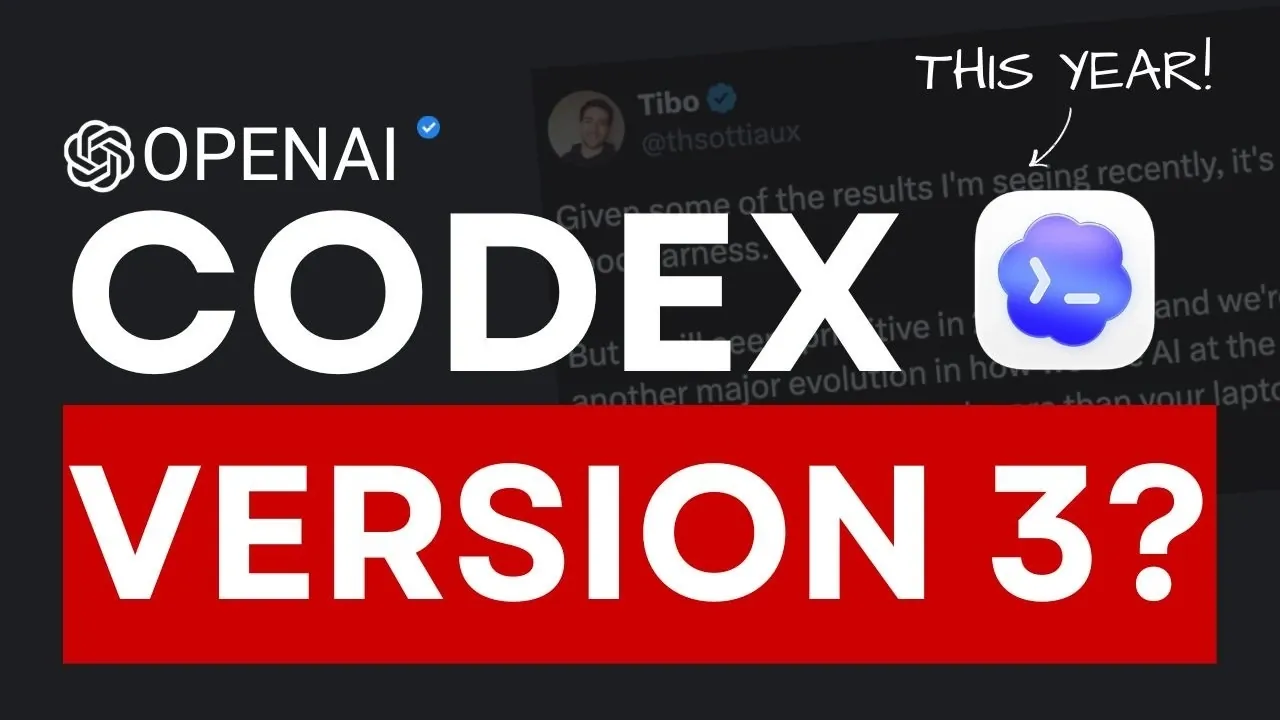
OpenAI’s Codex Version 3 is set to introduce a significant shift in how artificial intelligence operates, moving from traditional terminal-based systems to a cloud-based infrastructure. This change enables the system to handle more complex tasks with improved scalability and efficiency. As highlighted by Universe of AI, Codex Version 3 will feature advanced context management, integrated memory for long-term planning and parallel processing capabilities. These enhancements aim to create a more intuitive and autonomous experience for users while addressing the growing demands of modern AI applications.
Dive into this overview to explore how Codex Version 3 compares to SpaceX’s Grock 4.6 and 4.7 models, which are also set to launch this year. You’ll gain insight into the unique strengths of each system, including Grock 4.6’s 1.5 trillion parameters and fine-tuning flexibility, as well as Grock 4.7’s focus on decision-making intelligence. Additionally, this breakdown examines the broader implications of these advancements, from the potential cost challenges of cloud-based AI to the competitive dynamics shaping the future of the industry.
Codex Version 3: Ushering in a New Standard
TL;DR Key Takeaways :
- OpenAI’s Codex Version 3, launching in late 2026, transitions to a cloud-based infrastructure, offering enhanced scalability, efficiency and advanced features like context management, integrated memory and parallel processing.
- SpaceX is entering the AI market with its Grock 4.6 and 4.7 models, designed to compete with leading AI systems by offering intelligence, adaptability and cost-efficiency, with releases planned for August 2026.
- The AI industry is shifting toward cloud-based, autonomous workflows, allowing scalable and efficient solutions while addressing infrastructure bottlenecks and enhancing real-world applications.
- Intensifying competition among companies like OpenAI, SpaceX and Enthropic is driving rapid innovation, offering users more powerful tools but also presenting challenges like higher costs and the need to adapt quickly to new technologies.
- The advancements in AI, including Codex and Grock models, are expected to transform industries such as healthcare, education and logistics, marking a pivotal moment in AI evolution with limitless opportunities for growth and innovation.
OpenAI’s Codex Version 3, expected to launch in late 2026, represents a major milestone in AI evolution. Unlike its predecessors, this version transitions from terminal-based systems to a cloud-based infrastructure, allowing greater scalability and operational efficiency. This shift allows Codex to tackle more complex tasks while maintaining seamless performance.
Key features of Codex Version 3 include:
- Advanced Context Management: The system will better understand and adapt to your needs over extended interactions, offering a more intuitive user experience.
- Integrated Memory and Planning: These enhancements enable Codex to manage long-running workflows with improved precision and autonomy.
- Parallel Processing: Enhanced task orchestration ensures faster and more efficient execution of complex operations.
While these advancements significantly enhance Codex’s capabilities, they also come with increased computational demands. The reliance on robust cloud infrastructure raises questions about cost and accessibility, particularly for smaller organizations or individual users. Nevertheless, Codex Version 3 is set to establish a new benchmark for AI systems, offering unparalleled functionality for a wide range of applications.
SpaceX Joins the AI Race with Grock Models
SpaceX is making a bold entry into the AI sector with its Grock 4.6 and 4.7 models, both slated for release in 2026. These models are designed to compete directly with leading AI systems, offering a unique combination of intelligence, adaptability, and cost-efficiency. SpaceX’s foray into AI underscores its ambition to diversify its technological portfolio and challenge established players.
Here’s what you can expect from the Grock models:
- Grock 4.6: Launching on August 7, 2026, this model features 1.5 trillion parameters and advanced fine-tuning capabilities, making it highly adaptable to diverse applications, from scientific research to commercial use.
- Grock 4.7: Following shortly after, this version focuses on enhanced intelligence and decision-making capabilities, though it operates with slightly reduced processing speed compared to Grock 4.6.
Both models aim to rival OpenAI’s Codex, Gemini 3.5 Pro and Enthropic’s systems, offering users more options in a rapidly expanding market. SpaceX’s entry into the AI domain highlights the growing convergence of industries, where companies traditionally associated with aerospace and engineering are now becoming key players in AI innovation.

Discover other guides from our vast content that could be of interest on OpenAI Codex.
- Meet the Codex Micro: OpenAI’s Physical Keyboard for Coders $230
- You Can Finally Use Codex on Your Phone : How to Set It Up
- Claude Just Gained an “Infinite” Context Window : Here is What It Means for Your Workflows
- Deploy AI Agents 10X Faster Using Anthropic’s Pre-Configured Templates
- How OpenAI Just Solved an 80-Year-Old Math Mystery Nobody Else Could
- OpenAI Merges Codex Into ChatGPT Powered by GPT-5.6 Sol
- OpenAI’s Stealth Tests Reveal ChatGPT 5.6 Pro’s True Power
- OpenAI’s GPT-5.6 Release is Triggering an AI Price War
- 7 Hidden Claude Code Features Most Developers Miss
- How Beginners Are Going from Zero to Deployed Apps Using Codex
Shifting Industry Trends
The AI industry is undergoing a significant transformation, moving away from traditional terminal-based systems toward cloud-based, autonomous workflows. This evolution addresses long-standing infrastructure bottlenecks while meeting the growing demand for scalable and efficient AI solutions.
Emerging trends shaping the industry include:
- Context-Aware Systems: AI models are increasingly capable of understanding and responding to complex, real-world scenarios, enhancing their practical applications.
- Integrated Memory and Planning: These features allow AI systems to perform long-term, autonomous tasks with greater accuracy and reliability.
- Scalability: Cloud-based infrastructures provide the computational power needed to support models with trillions of parameters, allowing more extensive and efficient processing capabilities.
However, these advancements also present challenges. The computational demands of next-generation AI models can drive up operational costs, potentially limiting accessibility for smaller organizations. Additionally, the intensifying competition among companies like OpenAI, SpaceX and Enthropic is accelerating innovation cycles, creating pressure to adopt new technologies at an unprecedented pace.
The Competitive Landscape
The release of Codex Version 3 and SpaceX’s Grock models underscores the fierce competition within the AI sector. SpaceX’s entry into the market signals its intent to challenge established players, while other companies, such as Gemini and Enthropic, are also preparing their own advancements. This competitive environment is driving rapid innovation, offering both opportunities and challenges for users.
For users, the implications of this competition are twofold:
- Opportunities: The race to innovate means access to more powerful, versatile and user-friendly AI tools, allowing you to achieve tasks that were previously out of reach.
- Challenges: The rapid pace of development requires you to stay informed and adapt quickly to new technologies, which may involve learning new systems or investing in updated infrastructure.
As companies continue to push the boundaries of what AI can achieve, the competitive landscape is likely to become even more dynamic, with new players and technologies emerging to reshape the field.
Looking Ahead
The upcoming releases of OpenAI Codex Version 3 and SpaceX’s Grock models represent a pivotal moment in the evolution of artificial intelligence. These advancements promise to deliver scalable, efficient, and highly capable systems that could transform industries ranging from healthcare and education to logistics and entertainment. For users, staying informed about these developments will be essential to fully use the potential of these new technologies. As the AI landscape continues to evolve, the opportunities for innovation and growth are virtually limitless.
Media Credit: Universe of AI
Disclosure: Some of our articles include affiliate links. If you buy something through one of these links, Geeky Gadgets may earn an affiliate commission. Learn about our Disclosure Policy.
