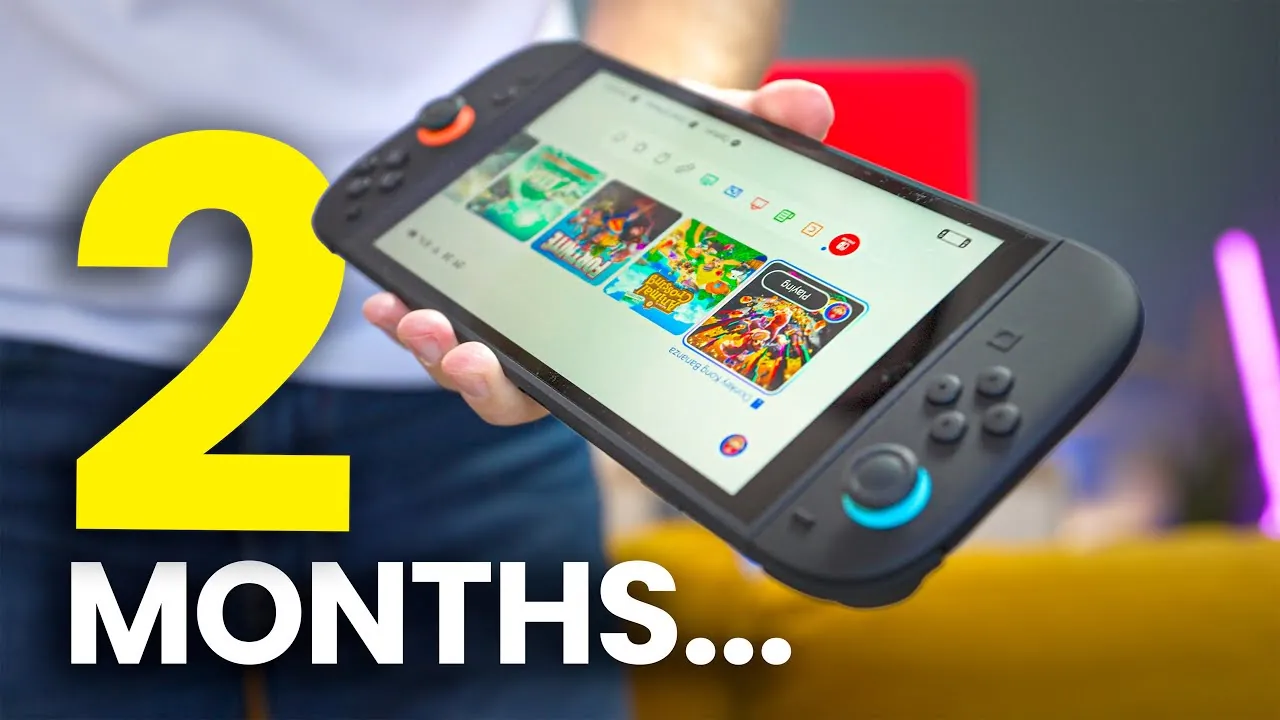
What makes a gaming console truly worth it? Is it the promise of innovative performance, the allure of exclusive titles, or the simple joy of revisiting cherished classics? The Nintendo Switch 2, Nintendo’s latest iteration of its hybrid console, has been out for two months now, and it’s already sparking heated debates among gamers. With its brighter screen, smoother gameplay, and a handful of new features, it promises to refine the gaming experience, but not without compromises. From the LCD screen that feels like a step back to battery life that still struggles under pressure, the Switch 2 is as much about trade-offs as it is about upgrades. So, after two months of hands-on time, does it live up to the hype, or is it just another incremental update in a fiercely competitive market?
In this in-depth review, the Tech Chap breaks down the highs and lows of the Nintendo Switch 2, exploring its performance, hardware changes, and game library to help you decide if it’s the right fit for your gaming lifestyle. Whether you’re curious about how Tears of the Kingdom looks on the new hardware, wondering if the Joy-Con redesign finally solves long-standing issues, or weighing it against alternatives like the Steam Deck OLED, there’s plenty to uncover. But the real question is: does the Switch 2 feel like a true upgrade, or just a polished version of what we’ve seen before? Let’s find out.
Nintendo Switch 2 Overview
TL;DR Key Takeaways :
- The Nintendo Switch 2 offers improved performance with smoother 60 FPS gameplay, enhanced graphics, and faster load times, particularly benefiting first-party titles like The Legend of Zelda: Tears of the Kingdom and Hogwarts Legacy.
- Hardware upgrades include a larger, brighter LCD screen, redesigned Joy-Cons with magnetic attachments, and an improved kickstand, but the use of an LCD instead of OLED and average battery life are notable drawbacks.
- The game library features enhanced versions of classics and new exclusives, but the reliance on ports and upgraded older games leaves room for growth in fresh content.
- Key shortcomings include limited internal storage, persistent Joy-Con drift concerns, and competition from devices like the Steam Deck OLED, which offers better hardware but lacks Nintendo’s exclusive titles.
- The Switch 2 is a refinement of the original console, appealing to fans of Nintendo’s ecosystem, but future iterations may need to address its compromises to remain competitive in the evolving gaming market.
Performance Upgrades: A Noticeable Boost
The Nintendo Switch 2 delivers a significant improvement in performance compared to its predecessor. Many titles now run at a smoother 60 FPS, with enhanced graphics and faster load times. Games such as The Legend of Zelda: Tears of the Kingdom and Hogwarts Legacy showcase higher resolution textures and more immersive visuals. Even demanding titles like Cyberpunk 2077, which struggled on the original Switch, now run smoothly, demonstrating the console’s improved capabilities.
However, these upgrades are incremental rather than fantastic. While they enhance the experience for Nintendo’s exclusive games, they may not appeal to gamers seeking a innovative leap in performance. The improvements are most noticeable in first-party titles, but third-party games still face limitations compared to more powerful alternatives.
Hardware Improvements: A Mixed Bag
The Switch 2 introduces several hardware enhancements designed to improve usability. Its larger, brighter screen with a higher refresh rate enhances handheld gaming, making visuals more vibrant and gameplay smoother. The redesigned Joy-Cons feature a magnetic attachment system, improving durability and comfort, while the upgraded kickstand offers better stability for tabletop gaming.
Despite these improvements, some choices feel like missed opportunities. The decision to use an LCD screen instead of OLED is a step back for those accustomed to the richer colors and deeper contrasts of the Switch OLED model. Battery life remains average, with runtimes as short as 2-3 hours for graphically demanding games like Cyberpunk 2077. Additionally, while internal storage has been increased, it remains limited, necessitating the use of external storage or physical game cartridges for larger libraries.
Nintendo Switch 2 – 2 MONTH Review (was it worth it?)

Explore further guides and articles from our vast library that you may find relevant to your interests in Nintendo Switch 2.
- Nintendo Switch 2 vs OLED: A Detailed Guide to Help You Decide
- Nintendo Switch 2: Features, Performance, and More
- Nintendo Switch 2 Review: Features, Performance, and Design
- Nintendo Switch 2 vs. Original Switch
- Nintendo Switch 2 Online Services: What’s Changing
- Everything You Need to Know About the Nintendo Switch 2
- Nintendo Switch 2 Accessories: Controllers, Cases, and More
- Nintendo Switch 2 Durability Test
- How the Nintendo Switch 2 Redefines Portable Gaming
- Nintendo Switch 2 Teardown: Full Breakdown of Hardware
Game Library: Strengths and Shortcomings
The Switch 2 shines when it comes to enhancing existing games. Classics like Breath of the Wild, Mario Odyssey, and Splatoon 3 benefit from improved resolution, frame rates, and overall performance. New exclusives such as Donkey Kong Bonanza and Mario Kart World showcase the console’s potential to deliver fresh, engaging experiences.
However, the launch library leans heavily on ports and upgraded versions of older games. While these updates improve the quality of beloved titles, the lack of a robust lineup of new releases may disappoint gamers seeking fresh content. Future releases are expected to expand the library, but the current selection leaves room for growth. For now, the Switch 2’s game library is a mix of nostalgia and promise, appealing primarily to fans of Nintendo’s ecosystem.
Drawbacks: Where the Switch 2 Falls Short
Despite its strengths, the Switch 2 comes with notable compromises. The LCD screen, while larger and brighter, lacks the visual quality of the OLED model, which offered deeper blacks and more vibrant colors. Battery life remains a concern, particularly for demanding games that can drain the console in just a few hours. This limitation may frustrate players who prefer extended gaming sessions without frequent recharging.
Storage capacity, though increased, is still insufficient for gamers with extensive digital libraries. Even with the option to expand storage via microSD cards, managing space can become a hassle. Additionally, concerns about Joy-Con drift persist, as Nintendo has yet to fully address this long-standing issue. These drawbacks highlight areas where the Switch 2 could have delivered a more polished experience.
How It Stacks Up Against Alternatives
When compared to competitors like the Steam Deck OLED, the Switch 2 faces tough competition. The Steam Deck OLED offers a superior screen, better battery life, and access to a broader game library, including PC titles. However, it lacks Nintendo’s iconic exclusives, which remain a major draw for the Switch 2.
Your choice will ultimately depend on your priorities. If you value exclusive titles like Mario and Zelda, the Switch 2 is a compelling option. On the other hand, if innovative hardware and versatility are more important, alternatives like the Steam Deck OLED may be a better fit. The decision hinges on whether you prioritize Nintendo’s unique offerings or the broader capabilities of competing devices.
Tips for Getting the Most Out of Your Switch 2
To enhance your experience with the Nintendo Switch 2, consider the following tips:
- Opt for physical game cartridges to save internal storage and take advantage of resale or sharing opportunities.
- Enable power-saving features such as auto-brightness and disable 120 Hz mode to extend battery life during long gaming sessions.
- Invest in accessories like a Pro Controller for improved ergonomics, a screen protector to prevent scratches, and a carrying case for portability and protection.
Looking Ahead: What’s Next for the Switch 2?
The Nintendo Switch 2 represents a refinement of the original console rather than a complete reinvention. While it offers meaningful upgrades, it leaves room for improvement. A potential OLED or Pro model could address shortcomings such as the LCD screen and battery life, while an expanded game library with more exclusive titles will be essential to maintaining the console’s appeal.
For now, the Switch 2 is a solid choice for fans of Nintendo’s ecosystem, but it may not fully satisfy gamers seeking innovative hardware or a broader selection of new games. As the gaming landscape evolves, the Switch 2’s success will depend on how well Nintendo addresses these challenges in future iterations.
Media Credit: The Tech Chap
Disclosure: Some of our articles include affiliate links. If you buy something through one of these links, Geeky Gadgets may earn an affiliate commission. Learn about our Disclosure Policy.
