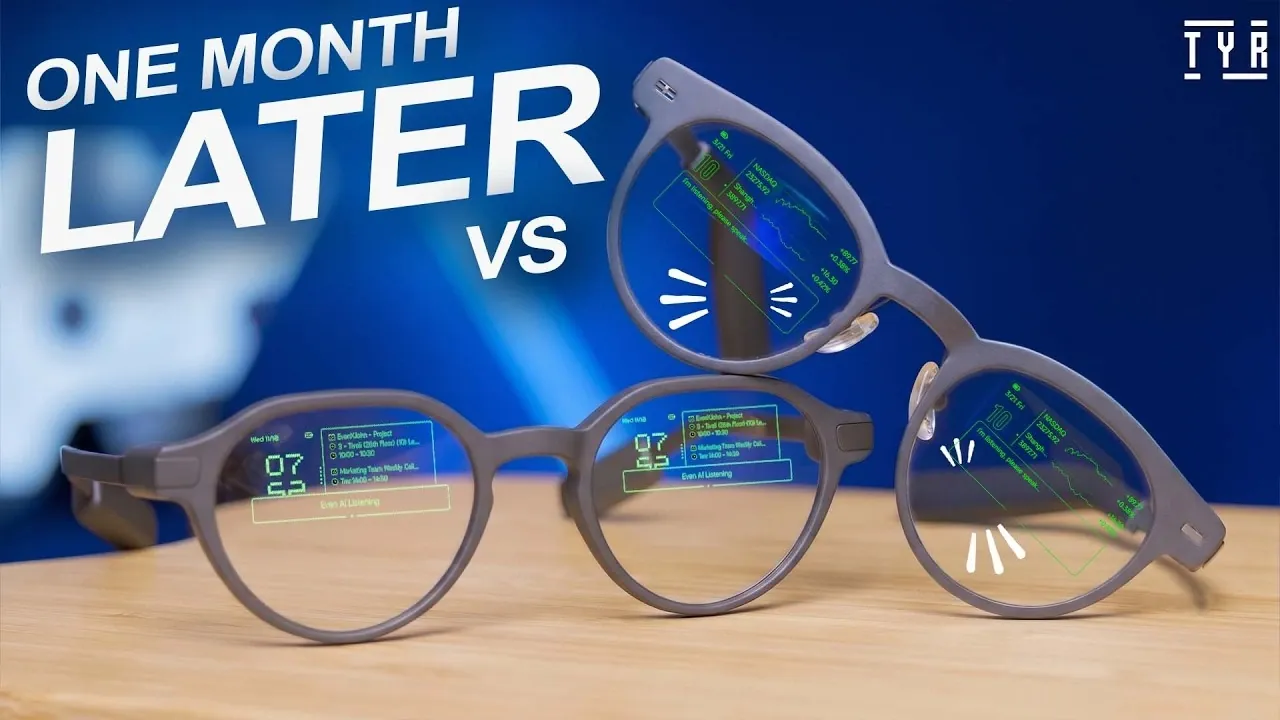
Smart glasses without cameras provide a balance between privacy and enhanced functionality. Tyriel Wood spent 30 days testing two models, the Even Reality G2 and the Memomind One—to understand how they perform in daily life. The Even Reality G2 features an ultra-lightweight 36-gram design and IP67 water resistance, making it practical for extended use and various conditions. Meanwhile, the Memomind One focuses on customization, offering interchangeable frames and integrated open-ear audio for added flexibility.
Dive into this explainer to compare these devices in terms of audio integration, battery performance, and display capabilities. Gain insight into the G2’s 1200-nit display and AI-driven productivity features, as well as the Memomind One’s 2000-nit brightness and organizational aids. This comparison will help clarify the strengths and limitations of each model.
Memomind One vs Even Reality G2
TL;DR Key Takeaways :
- The Even Reality G2 is ultra-lightweight (36g) with a durable titanium-magnesium alloy build and IP67 water/dust resistance, making it ideal for professionals and outdoor enthusiasts.
- The Memomind One offers customizable frame styles, integrated open-ear audio by Harman Audio EFX and a more affordable price, catering to casual users and those seeking convenience.
- Display differences: The G2 features a brighter display (1200 nits) and larger field of view (27°) for productivity, while the Memomind One excels in outdoor visibility (2000 nits) but has a smaller field of view (20°).
- Control systems vary: The G2 uses a touchpad and optional navigation ring for precision, while the Memomind One employs AI-assisted eye-tracking and a single-button system for simplicity.
- Pricing and focus: The G2 is priced at $599 with advanced productivity tools, while the Memomind One starts at $399, offering personal AI features and integrated audio for budget-conscious users.
Design and Comfort
The design of smart glasses significantly impacts their usability and comfort, especially for extended wear. The Even Reality G2 stands out with its ultra-lightweight build, weighing just 36 grams. Constructed from a durable titanium and magnesium alloy, it offers a balance of strength and comfort. Additionally, its IP67 water and dust resistance ensures reliability in various environments, making it a dependable choice for outdoor enthusiasts or professionals on the go.
On the other hand, the Memomind One weighs slightly more at 46.6 grams but compensates with customizable frame styles. This feature allows users to personalize their glasses to match their preferences, making it a more stylish option. However, the additional weight may become noticeable during prolonged use, which could be a consideration for those planning to wear them for extended periods.
Audio Integration
Audio functionality is a key area where these two models diverge. The Even Reality G2 prioritizes its lightweight design by omitting built-in audio, requiring users to rely on external headphones for sound. While this approach keeps the glasses light, it may not appeal to those seeking an all-in-one solution.
In contrast, the Memomind One integrates open-ear audio technology, tuned by Harman Audio EFX. This feature allows users to listen to music, receive notifications and make calls without needing additional accessories. For casual users or those who value convenience, this built-in audio system eliminates the need to carry extra devices, enhancing the overall user experience.

Here are more detailed guides and articles that you may find helpful on smart glasses.
- Apple Glasses Leak: The Features That Could Kill Meta’s Ray-Bans
- Samsung’s New Smart Glasses Are Aiming Straight for Meta’s Crown
- Google’s Gemini Smart Glasses Make Meta Ray-Bans Look Outdated
- Samsung Integrates the Galaxy Ecosystem Into Everyday Eyewear
- The Hidden Genius Behind Apple’s Upcoming Smart Glasses
- MemoMind One Smart Glasses Drop Cameras for Dual HUD Tech
- Samsung AI Smart Glasses Prepare for a Fall 2026 Release
- How to Stream YouTube on Your Meta Ray-Ban Display Glasses
- Samsung Unveils Galaxy Smart Glasses with 9-Hour Battery
- Are the Rokid AI Glasses Actually Better Than the Even G2?
Battery Life and Charging
Battery performance and charging methods are critical factors in the usability of smart glasses. The Even Reality G2 relies on a charging case, which is convenient for portability and ensures the glasses are always ready for use. However, the glasses tend to drain quickly if left outside the case, necessitating frequent recharges.
The Memomind One, in contrast, uses a cable-based charging system and features a longer standby time, lasting several days without needing to be plugged in. This makes it a more reliable option for users who prefer intermittent use or those who don’t want to worry about frequent charging. The difference in battery management highlights the trade-offs between portability and long-term reliability.
Display Features
Both models feature stereoscopic micro OLED projectors, delivering high transparency and vivid visuals. However, their display specifications cater to different user needs:
- Even Reality G2: Offers a brighter display at 1200 nits, a larger field of view (27°), and sharper text clarity. These features make it an excellent choice for productivity tasks such as reading documents, reviewing presentations, or navigating detailed interfaces.
- Memomind One: Excels in outdoor visibility with a brightness of 2000 nits but has a smaller field of view (20°). This makes it better suited for outdoor activities, casual use, or environments with bright lighting conditions.
Control and Interaction
The interaction methods for these smart glasses differ significantly, reflecting their target audiences. The Even Reality G2 employs a touchpad interface and offers an optional navigation ring for tactile control. This setup provides precise input options, making it ideal for productivity-focused tasks where accuracy is essential.
The Memomind One simplifies interaction with a single-button control system and AI-assisted eye-tracking navigation. This intuitive approach allows users to select menu options with minimal physical input, streamlining the user experience. The simplicity of this system makes it particularly appealing for casual users or those new to smart glasses.
AI and Software Capabilities
AI integration plays a pivotal role in enhancing the functionality of both models, but their focus areas differ:
- Even Reality G2: Designed for productivity, it includes features such as meeting transcription, conversation insights, and third-party app support. These tools are particularly beneficial for professionals seeking to optimize their workflow and stay organized during busy workdays.
- Memomind One: Focuses on personal organization with AI-driven features like daily diaries, wish lists, and calendar integration. While these features require a subscription, they add significant value for users looking to manage their personal lives more effectively.
Pricing
Cost is a crucial factor when choosing between these two models:
- Even Reality G2: Priced at $599, with additional costs for accessories like the navigation ring. This positions it as a premium option for users who prioritize advanced features, lightweight design and productivity tools.
- Memomind One: More affordable, with a Kickstarter price starting at $399. This price includes sunglasses and a six-month AI subscription, making it an attractive choice for newcomers to smart glasses or those on a budget.
Use Cases
Choosing between the Even Reality G2 and the Memomind One ultimately depends on your specific needs and lifestyle:
- Even Reality G2: Best suited for professionals and extended wear, thanks to its lightweight design and productivity-focused features. It’s an excellent option for those who prioritize comfort and efficiency during long workdays.
- Memomind One: Ideal for casual use and short trips. Its integrated audio and personal AI tools make it a convenient and cost-effective choice for everyday tasks, such as managing schedules or staying entertained on the go.
Final Thoughts
The Even Reality G2 and Memomind One represent two distinct approaches to camera-free smart glasses, each catering to different user preferences. The G2 excels in lightweight design and productivity tools, making it a strong choice for professionals. Meanwhile, the Memomind One offers integrated audio and personal AI features at a more accessible price, appealing to casual users.
When deciding between these models, consider your priorities, whether it’s audio integration, weight, software capabilities, or budget. By aligning your choice with your lifestyle and specific needs, you can select the smart glasses that best enhance your daily routine.
Media Credit: Tyriel Wood – VR Tech
Disclosure: Some of our articles include affiliate links. If you buy something through one of these links, Geeky Gadgets may earn an affiliate commission. Learn about our Disclosure Policy.
