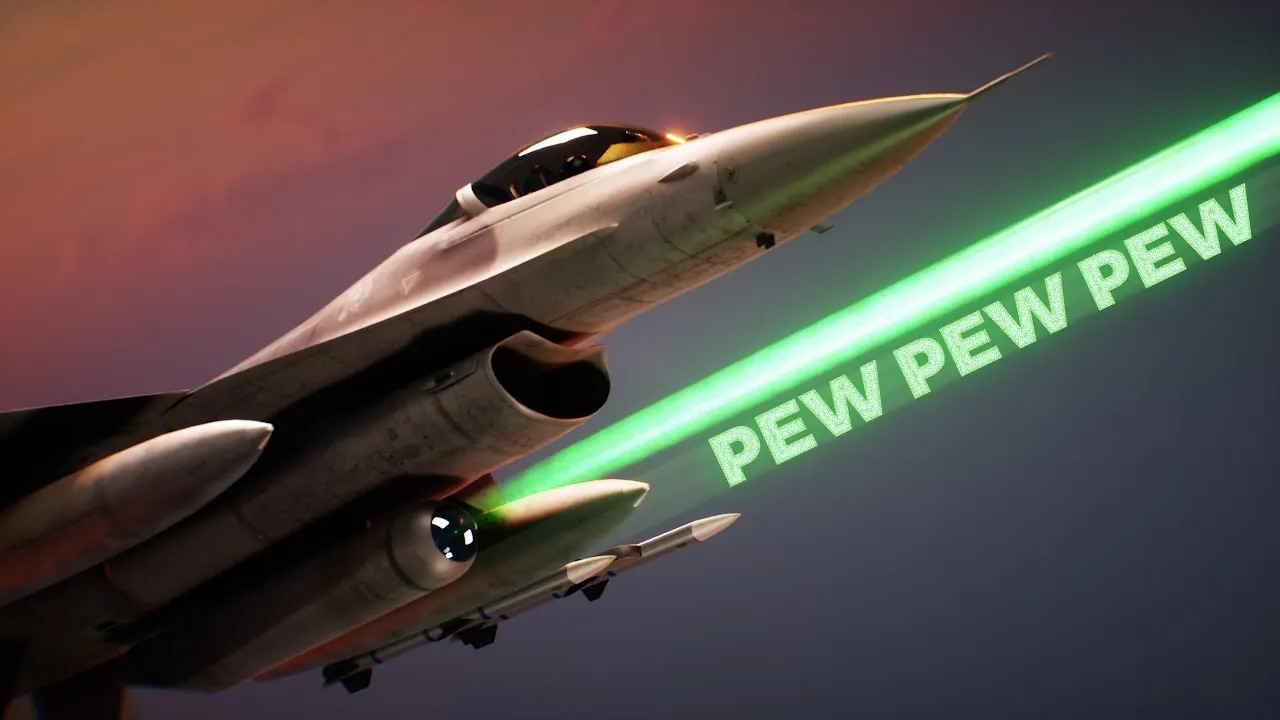
Imagine a battlefield where missiles are intercepted mid-air with beams of light, drones are neutralized in seconds, and the cost of firing a weapon is measured in pennies rather than millions. This isn’t the realm of science fiction, it’s the reality unfolding as militaries worldwide embrace the era of laser warfare. With lasers traveling at the speed of light and delivering unparalleled precision, these weapons are poised to redefine combat as we know it. But as innovative as they are, questions linger: Can they overcome the challenges of energy demands and environmental interference? And how will this shift in technology reshape global military strategies? The answers may determine the future of warfare itself.
Below Real Engineering provides more insights into the fantastic potential of laser weapons, exploring their pinpoint accuracy and cost efficiency alongside the hurdles that must be addressed for widespread adoption. From advancements in fiber and semiconductor lasers to the strategic implications of neutralizing drone swarms and hypersonic missiles, the story of laser warfare is as complex as it is new. Yet, the promise of a battlefield dominated by light-based weaponry raises profound questions about the balance of power and the ethical dimensions of modern combat. As the age of laser warfare begins, one thing is certain: the rules of engagement are about to change forever.
Laser Weapons in Warfare
TL;DR Key Takeaways :
- Laser weapons are transforming warfare with their speed-of-light precision, cost efficiency, and ability to neutralize fast-moving threats like drones and missiles.
- Key technological advancements, such as fiber and semiconductor lasers, beam combining, and adaptive optics, are enhancing their scalability, power, and effectiveness in diverse combat scenarios.
- Challenges like atmospheric interference, line-of-sight dependency, and high energy demands must be addressed to maximize their operational potential.
- Laser weapons offer significant cost advantages over traditional munitions, relying on electricity instead of expensive ammunition, and are being integrated into mobile platforms like ships, trucks, and aircraft.
- The adoption of laser weapons is expected to reshape military strategies, offering both defensive and offensive capabilities while influencing global power dynamics and technological competition.
What Makes Laser Weapons Innovative?
Laser weapons represent a paradigm shift in military operations by introducing unparalleled precision and efficiency. Unlike traditional munitions, lasers travel at the speed of light, allowing them to neutralize fast-moving threats such as drones, missiles, and aircraft almost instantaneously. Their ability to fire continuously without requiring reloading allows for the rapid engagement of multiple targets in succession, making them a highly effective tool in dynamic combat environments.
Key advantages of laser weapons include:
- Pinpoint accuracy: This minimizes collateral damage, making lasers ideal for operations in densely populated or sensitive areas.
- Cost efficiency: Lasers rely on electricity rather than expensive ammunition, significantly reducing operational costs.
- Versatility: They are effective against emerging threats like drone swarms and hypersonic missiles, which are challenging for traditional defense systems to counter.
For example, naval vessels equipped with laser systems can intercept incoming missiles, enhancing their survivability in contested waters. Similarly, ground-based lasers have demonstrated effectiveness in neutralizing drone swarms, a growing concern in asymmetric warfare where adversaries deploy low-cost, high-volume aerial threats.
Technological Breakthroughs Driving Progress
Recent advancements in laser technology have been instrumental in overcoming earlier limitations, paving the way for more practical and effective systems. Two major innovations stand out:
- Fiber and Semiconductor Lasers: Fiber lasers are scalable and highly efficient, making them suitable for a wide range of military applications. Semiconductor lasers, known for their compact size and reliability, are particularly advantageous for mobile platforms.
- Beam Combining Technology: This technique merges multiple laser beams into a single, high-power output, significantly enhancing their destructive capabilities and operational range.
Additionally, adaptive optics technology has played a crucial role in improving laser performance. By countering atmospheric distortions, adaptive optics ensure that laser beams remain focused and effective over long distances, even in challenging environmental conditions such as fog, dust, or turbulence. These advancements are bringing laser weapons closer to operational readiness, making them a viable option for modern militaries.
Lasers Are Changing War Faster Than Missiles
Here is a selection of other guides from our extensive library of content you may find of interest on energy technology.
- Rain-Powered Energy : 100,000x More Electricity from Rain
- Onshore Wave Energy: A Sustainable Solution to Harness Ocean
- How Regenerative Tech is Reducing Energy Waste and Costs
- Top 5 Smart Home Gadgets That Actually Lower Your Energy Bill
- Wave Energy : The Future of Clean, Reliable Renewable Energy
- Samsung SmartThings Energy manages energy usage
- Samsung Unveils Cutting Edge Energy Efficient Appliances
- Orison Home Energy Storage System (video)
- NASA’s Mechanical Battery: A Breakthrough in Sustainable Energy
Limitations and Challenges
Despite their promise, laser weapons face several significant challenges that must be addressed to maximize their effectiveness:
- Atmospheric Interference: Environmental factors such as dust, fog, and clouds can scatter or absorb laser beams, reducing their range and power.
- Line-of-Sight Dependency: Lasers require a direct, unobstructed path to the target, limiting their effectiveness against threats beyond the horizon or heavily armored objects.
- Energy Demands: High-energy lasers, particularly those in the megawatt-class range, require substantial power supplies, posing logistical challenges for sustained operations in remote or high-intensity combat scenarios.
Another critical limitation is the reliance on radar systems for target tracking and engagement. This dependency introduces vulnerabilities, as adversaries could develop countermeasures to disrupt radar functionality, potentially diminishing the effectiveness of laser-based systems. Addressing these challenges will be essential for the widespread adoption and deployment of laser weapons.
Cost Efficiency and Deployment Potential
One of the most compelling aspects of laser weapons is their cost efficiency. Unlike traditional missile systems, which incur high per-shot costs, lasers operate on electricity, making them significantly cheaper to use. As research and development efforts continue to drive down production costs, laser weapons are expected to become increasingly competitive with conventional systems, accelerating their integration into military arsenals.
Deployment strategies are focusing on mobility and adaptability. Platforms such as trucks, naval ships, and aircraft are being equipped with megawatt-class lasers to address a variety of combat scenarios. These mobile systems are designed to provide flexible and rapid responses to threats, enhancing their utility across air, sea, and ground operations. By the end of the decade, laser-equipped platforms are likely to become a standard component of military forces, fundamentally altering strategic planning and battlefield dynamics.
Transforming Modern Warfare
The integration of laser weapons into military operations is poised to redefine both defensive and offensive capabilities. On the defensive side, lasers offer a robust solution for neutralizing missile strikes, drone incursions, and other aerial threats, significantly enhancing the survivability of critical assets. Naval vessels, in particular, stand to benefit from laser-based defenses, reducing their vulnerability to anti-ship missiles and other precision-guided munitions.
Offensively, laser weapons challenge the effectiveness of traditional military assets such as non-stealthy aircraft and satellites. Their ability to disrupt or destroy these systems forces adversaries to reconsider their strategies and invest in countermeasures. Ground forces equipped with laser systems could gain a tactical edge in counter-artillery operations and anti-drone engagements, further solidifying the role of directed-energy weapons in future conflicts.
Future Implications and Strategic Shifts
The potential applications of laser weapons extend far beyond conventional combat scenarios. High-energy lasers could play a pivotal role in ballistic missile defense, intercepting threats during their boost or midcourse phases. This capability has profound implications for global security, particularly in countering nuclear-armed missiles and other strategic threats.
As laser technology continues to mature, military tactics and strategies will evolve to address new opportunities and challenges. For instance:
- Stealth and Electronic Warfare: Adversaries may prioritize the development of stealth technologies and electronic warfare capabilities to counter laser-based systems.
- Geopolitical Shifts: Nations investing heavily in laser research and development could gain a significant technological edge, potentially altering the balance of power in international relations.
The historical development of laser weapons underscores the rapid pace of innovation in this field. Early prototypes, which relied on chemical and gas-based systems, demonstrated the feasibility of directed-energy weapons but were plagued by inefficiencies. The transition to fiber and semiconductor lasers marked a turning point, allowing compact, reliable, and scalable solutions. Today, militaries are conducting field tests and integrating these systems into operational platforms, signaling the dawn of a new era in warfare.
Overcoming Remaining Challenges
Despite remarkable progress, several obstacles remain. Energy requirements continue to be a critical concern, particularly for sustained operations in high-intensity conflicts. Developing portable and efficient energy systems will be essential to overcoming this limitation. Advances in adaptive optics and beam control technologies are also necessary to mitigate the effects of atmospheric interference, making sure consistent performance under varying environmental conditions.
Integrating laser weapons into existing military platforms presents additional challenges, requiring careful planning and substantial investment. Mobile systems, in particular, demand innovative solutions to balance power generation, targeting accuracy, and operational flexibility. Addressing these issues will be key to unlocking the full potential of laser weapons in modern combat.
Media Credit: Real Engineering
Disclosure: Some of our articles include affiliate links. If you buy something through one of these links, Geeky Gadgets may earn an affiliate commission. Learn about our Disclosure Policy.
