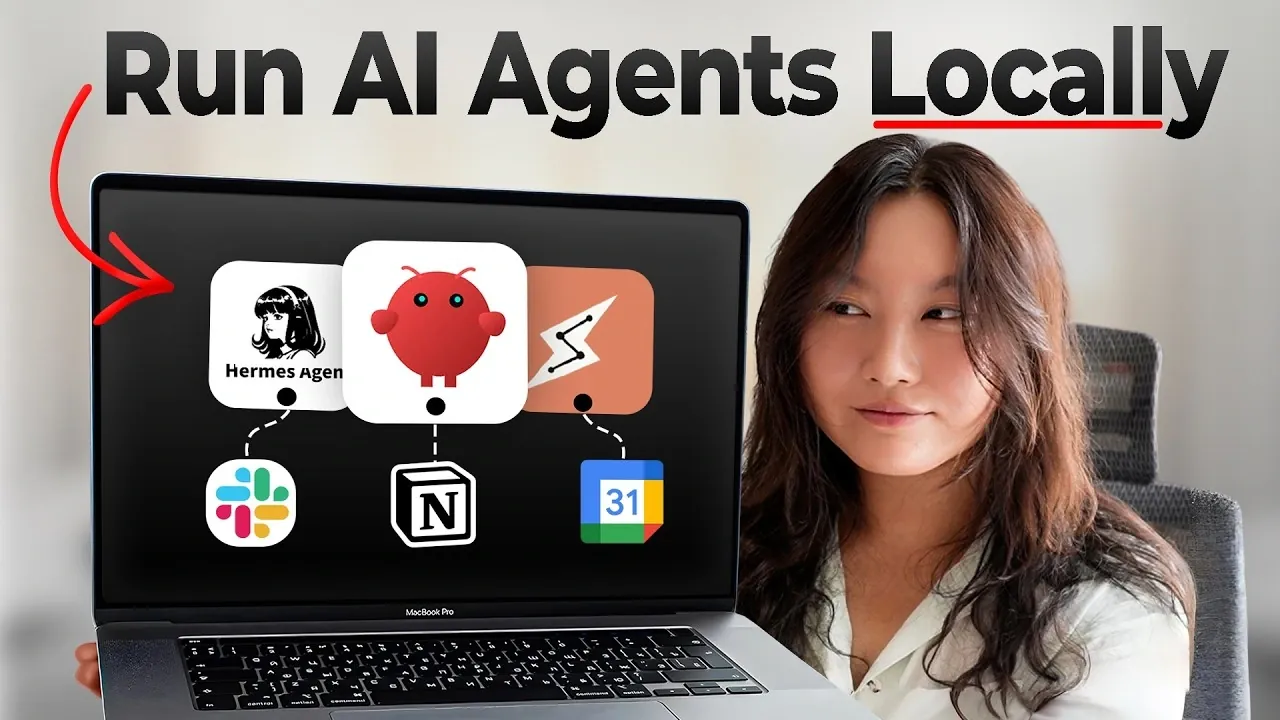
Local AI agents are autonomous systems that run directly on personal devices, offering capabilities like task automation, workflow management and personalized assistance. Unlike cloud-based systems, they operate locally, emphasizing data privacy and customization. In the video below Tina Huang breaks down the essential components that enable these agents to function effectively, such as hosting environments, communication protocols and task scheduling frameworks. These elements are crucial for understanding how local AI agents can be tailored to individual or organizational needs.
Discover how to configure and adapt local AI agents for tasks like calendar management and automating repetitive processes. Gain insight into scaling operations with multi-agent setups, where multiple agents collaborate to handle complex workflows. Learn essential safety measures, including isolating agents on specific devices and performing regular security checks, to maintain data integrity. This walkthrough provides the practical knowledge needed to integrate local AI agents into your everyday activities.
What Are Local AI Agents?
TL;DR Key Takeaways :
- Local AI agents operate directly on personal devices, offering enhanced privacy, control and customization compared to cloud-based AI services.
- Key components include hosting environments, communication channels, AI models with memory systems, customizable skills, task scheduling and computer interaction capabilities.
- These agents can be tailored and scaled for specific needs, including multi-agent systems that collaborate on complex workflows for improved efficiency.
- Making sure safety involves isolating agents, restricting access to sensitive data, avoiding unverified workflows and conducting regular security audits.
- Applications range from business automation and personal productivity to software development, with tools like OpenClaw and Claude Co-work allowing users to build and deploy agents effectively.
Local AI agents are software systems designed to execute tasks autonomously on your personal machine or server. These agents can perform a wide range of functions, such as summarizing emails, managing calendars, generating business insights, or even assisting with software development. By operating locally, they provide significant advantages, including greater control over data privacy and the ability to extensively customize their functionality. This makes them a powerful tool for both personal and professional use, especially in environments where data security is a priority.
Core Components of Local AI Agents
To effectively use local AI agents, it’s essential to understand their key components. These elements form the foundation of their functionality and determine their capabilities:
- Hosting Environment: Local AI agents can run on personal laptops, dedicated machines, or virtual private servers. The choice of environment depends on factors such as hardware capabilities, privacy requirements and whether continuous operation is necessary.
- Communication Channels: These agents integrate with platforms like Telegram, Discord, or Slack, allowing real-time interaction and seamless communication with users.
- Brain and Memory: AI models such as Claude Sonnet, OpenClaw, or open source alternatives power the intelligence of these agents. Memory systems allow them to track tasks, adapt outputs and refine their performance based on your preferences.
- Skills and Tools: Pre-built capabilities like web search, email management and image generation come standard. These skills can also be customized to address specific needs, making the agents highly versatile.
- Heartbeat (Task Scheduling): Task scheduling automates recurring activities, triggered by specific times or events, making sure efficiency and consistency in workflows.
- Eyes (Computer Interaction): These agents can interact with files, folders and screens on your device, allowing them to perform complex tasks such as organizing documents, analyzing data, or automating repetitive processes.

Take a look at other insightful guides from our broad collection that might capture your interest in local AI.
- Best GPUs for Local AI, VRAM Needs and Price Tiers Explained
- Olares One Portable AI Box for Private, Local AI Computing
- How to Build a Local AI Web Search Assistant with Ollama
- Google AI Edge Gallery: Private Offline LLMs on Mobile
- Meet Gemma 4 : Google’s Powerful New Offline AI
- Best Local AI Models for the Base Mac Mini M4, Speed & Limits
- Local AI Coding Workflow 2026: LM Studio Linking and Claude Code Setup
- Install Fooocus AI art generator locally for private AI art creation
- Raspberry Pi 5 Offline AI Assistant Receives Vision, Voice & Image Generation
- Jetson Thor vs DJX Spark vs Apple M4 Pro Mac Mini : Local AI Hardware Compared
Customizing and Scaling with Multi-Agent Systems
One of the most compelling features of local AI agents is their ability to be customized and scaled to meet specific needs. Whether you’re optimizing personal productivity or managing professional workflows, these agents can be tailored to suit your requirements. For instance, you can configure them to prioritize certain tasks, integrate with specific tools, or adapt to unique workflows.
Additionally, multi-agent systems allow multiple AI agents to collaborate on specialized tasks. For example, a team of agents could work together on research, content creation, or software development. Each agent can focus on a specific aspect of the workflow, streamlining complex processes and improving overall efficiency. This scalability makes local AI agents an invaluable resource for businesses and individuals alike.
Making sure Safety and Security
While local AI agents offer numerous benefits, making sure their safety and security is critical to protect your data and maintain system integrity. Implementing robust safety measures minimizes risks and ensures that these agents operate as intended. Consider the following best practices:
- Use dedicated machines to isolate agents and safeguard sensitive data from potential breaches.
- Restrict access to critical files, emails, or private information to prevent unauthorized interactions.
- Avoid unverified third-party workflows or skills that could introduce vulnerabilities into your system.
- Conduct regular security audits and provide clear, well-defined instructions to minimize the risk of errors or misuse.
By following these guidelines, you can confidently deploy local AI agents while maintaining control over your data and making sure their safe operation.
Practical Applications of Local AI Agents
Local AI agents have a wide range of applications across industries and personal workflows. Their versatility makes them a valuable tool for automating tasks, optimizing processes and enhancing productivity. Here are some practical examples of how they can be used:
- Business Automation: Streamline operations such as finance tracking, project management and content creation, reducing manual effort and improving efficiency.
- Personal Productivity: Enhance daily routines with AI-powered dashboards, automated briefings and task scheduling, helping you stay organized and focused.
- Software Development: Assist in coding, debugging and testing, significantly reducing development time and effort while improving code quality.
These examples highlight the diverse capabilities of local AI agents, making them a valuable addition to both personal and professional environments.
Tools and Frameworks for Building AI Agents
Building and deploying local AI agents has become increasingly accessible, thanks to a variety of tools and frameworks designed to cater to different levels of expertise. Here are two popular options:
- OpenClaw: A highly customizable framework ideal for advanced users with coding experience. It offers extensive flexibility, allowing you to create tailored solutions that meet specific requirements.
- Claude Co-work: A no-code framework designed for beginners. It emphasizes ease of use and includes built-in security features, making it an excellent choice for those new to AI agents.
These tools empower users to create and deploy AI agents that align with their unique needs, regardless of their technical background.
The Future of Local AI Agents
The potential of local AI agents to transform workflows and enhance productivity continues to grow. As industries increasingly adopt these technologies, learning to build and customize AI agents can provide a significant advantage. By staying ahead of this trend, you can unlock new opportunities, improve efficiency and future-proof your skills in an evolving technological landscape.
Local AI agents represent a powerful and flexible solution for automating tasks, optimizing workflows and enhancing productivity. Whether you’re a tech enthusiast exploring new possibilities or a professional seeking to streamline operations, these agents offer immense potential to improve your personal and professional life.
Media Credit: Tina Huang
Disclosure: Some of our articles include affiliate links. If you buy something through one of these links, Geeky Gadgets may earn an affiliate commission. Learn about our Disclosure Policy.
