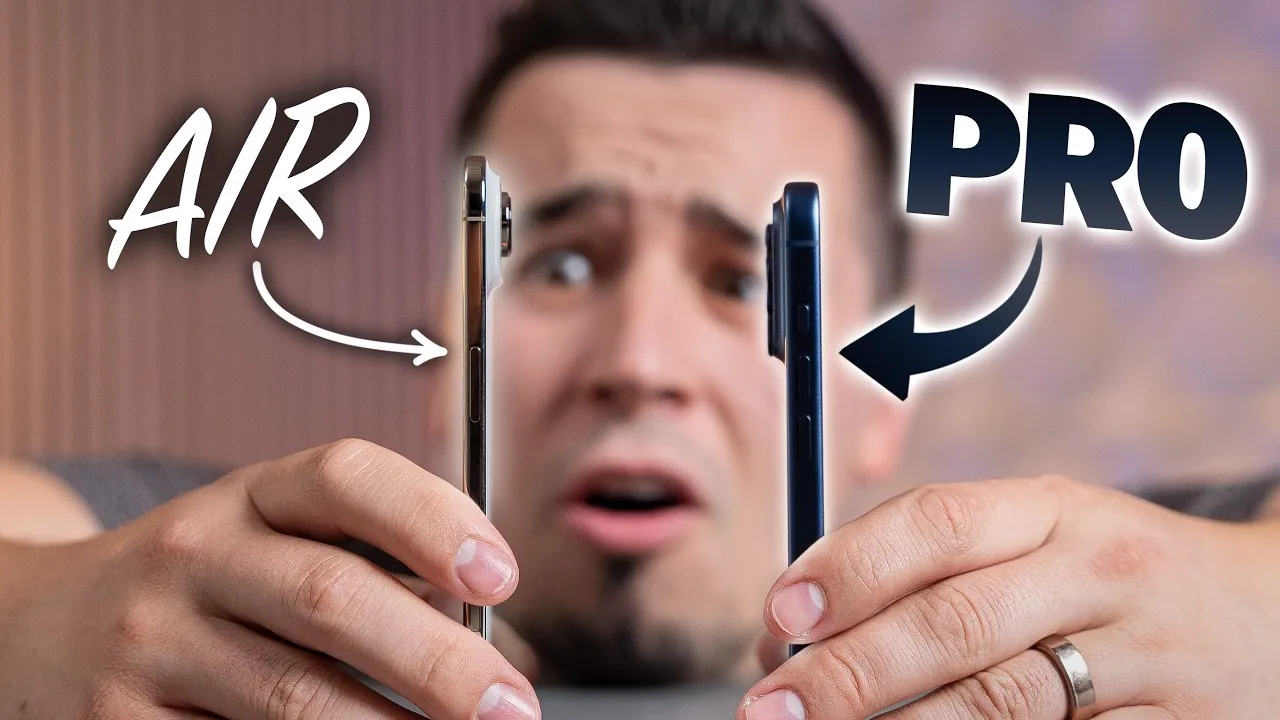
Apple continues to push the boundaries of smartphone design and functionality with the release of the iPhone Air and the iPhone 17 Pro. The iPhone Air stands out as the brand’s thinnest and lightest smartphone, boasting polished titanium sides and a 6.5-inch display. While its sleek design is undeniably appealing, it introduces trade-offs in performance, audio quality, and camera versatility. The video below from Max Tech explores how the iPhone Air measures up against the iPhone 17 Pro, helping you decide which device better suits your preferences and needs.

Design and Build: Elegance Meets Practicality
The iPhone Air is a testament to Apple’s commitment to minimalist design. Its ultra-thin profile and polished titanium sides give it a premium, modern aesthetic. Weighing significantly less than other models in the lineup, it is an excellent choice for users who prioritize portability and style. The 6.5-inch display strikes a balance between compactness and usability, offering an immersive viewing experience without the bulk of larger devices like the Pro Max.
However, this focus on design comes with compromises. The thinner build affects thermal efficiency, leading to potential overheating during prolonged use. Additionally, the single-speaker system sacrifices audio quality, which may detract from the overall user experience. While the iPhone Air excels in portability and elegance, users who prioritize functionality over design may find these trade-offs limiting.
In contrast, the iPhone 17 Pro offers a more robust design. While slightly heavier, it incorporates durable materials and a larger form factor, accommodating advanced features without compromising usability. This makes it a more practical choice for users seeking a balance between aesthetics and functionality.
Performance: Efficiency vs. Power
The iPhone Air is powered by the A19 Pro chip and 12GB of RAM, ensuring smooth performance for everyday tasks such as browsing, messaging, and media consumption. However, its 5-core GPU falls short when compared to the 6-core GPU in the iPhone 17 Pro. This difference becomes evident in graphics-intensive applications like gaming, video editing, or augmented reality experiences. Furthermore, the Air’s slim design introduces thermal challenges, with noticeable hotspots during extended use. To mitigate overheating, the device employs aggressive thermal throttling, which can impact sustained performance.
The iPhone 17 Pro, on the other hand, is designed for power users. Its enhanced GPU and superior thermal management system allow it to handle demanding tasks with ease. Whether you’re editing high-resolution videos or playing resource-intensive games, the 17 Pro delivers consistent and reliable performance, making it the better choice for users who require more processing power.
Battery Life: Compact Efficiency vs. Extended Capacity
Despite its smaller 3100mAh battery, the iPhone Air impresses with its energy efficiency. Optimized software and hardware integration allow it to deliver battery life comparable to the iPhone 17 Pro, even outperforming competitors like the Galaxy S25 Edge in certain scenarios. This makes it a viable option for users with moderate usage patterns.
However, the smaller battery capacity may prove limiting for heavy users who rely on their devices for gaming, video streaming, or multitasking. The iPhone 17 Pro, equipped with a larger battery, offers extended usage time, making it a more reliable choice for those who need their device to last throughout the day without frequent recharging.
Audio Quality: Immersion vs. Simplicity
One of the most noticeable limitations of the iPhone Air is its single speaker system. While sufficient for casual use, the lack of stereo sound diminishes the multimedia experience, particularly for users who enjoy music, videos, or gaming. The absence of dual audio channels results in less immersive sound quality, which may be a dealbreaker for audiophiles or media enthusiasts.
The iPhone 17 Pro addresses this limitation with a superior stereo speaker setup, delivering richer and more dynamic audio. Whether you’re streaming a movie or participating in a video call, the enhanced sound quality significantly improves the overall experience, making it the preferred option for users who prioritize audio performance.
Camera Capabilities: Versatility vs. Simplicity
The iPhone Air features a single 48MP main camera, which performs admirably for standard photography. It captures sharp and vibrant images in well-lit conditions, making it suitable for casual users. However, the lack of additional lenses, such as ultra-wide and telephoto, limits its versatility. The absence of a macro mode further restricts its capabilities, particularly for close-up photography or document scanning. Additionally, the Air does not support advanced video features like cinematic mode, reducing its appeal for content creators.
In contrast, the iPhone 17 Pro offers a comprehensive camera system, including ultra-wide, telephoto, and macro lenses. This versatility allows users to capture a wide range of shots, from expansive landscapes to detailed close-ups. The Pro model also supports advanced video features, making it an excellent choice for photography enthusiasts and content creators who demand more from their smartphone camera.
Display: Compact Yet Immersive
Both the iPhone Air and the iPhone 17 Pro feature high-quality display technology, ensuring vibrant colors, deep contrasts, and excellent brightness levels. The Air’s 6.5-inch screen provides a comfortable middle ground, offering better usability than the smaller Pro model while avoiding the bulkiness of the Pro Max. This makes it an attractive option for users who prefer a compact yet immersive display.
The iPhone 17 Pro, with its slightly larger screen, caters to users who prioritize a more expansive viewing experience. Whether you’re watching movies, playing games, or editing photos, the Pro model’s display offers a more immersive and detailed visual experience, making it the better choice for media enthusiasts.
Balancing Design and Functionality
The iPhone Air represents a bold step forward in design, prioritizing portability and aesthetics. However, this emphasis on form introduces compromises in key areas, including thermal performance, audio quality, and camera versatility. While it excels as a lightweight and stylish device, these trade-offs may not appeal to users who demand more from their smartphones.
The iPhone 17 Pro, on the other hand, offers a more balanced approach. With superior performance, enhanced audio, and a versatile camera system, it caters to a broader range of needs. Whether you’re a power user, a photography enthusiast, or someone who values a well-rounded device, the 17 Pro delivers a comprehensive feature set with fewer compromises.
Ultimately, the choice between the iPhone Air and the iPhone 17 Pro depends on your priorities. If you value innovative design and portability, the iPhone Air is an excellent option. However, for those who seek a more versatile and feature-rich smartphone, the iPhone 17 Pro stands out as the better choice.
Check out more relevant guides from our extensive collection on the iPhone Air that you might find useful.
- Is the iPhone 17 Air Worth It? Pros, Cons, and Full Breakdown
- The iPhone 17 Air Is Coming: Here’s What to Expect
- iPhone Air: Features, Pricing, and Why It’s Apple’s Best Yet
- iPhone 17 Air: Features, Specs, and Release Date
- iPhone Air vs iPhone 17 Pro: Key Differences Explained
Source & Image Credit: Max Tech
Disclosure: Some of our articles include affiliate links. If you buy something through one of these links, Geeky Gadgets may earn an affiliate commission. Learn about our Disclosure Policy.
