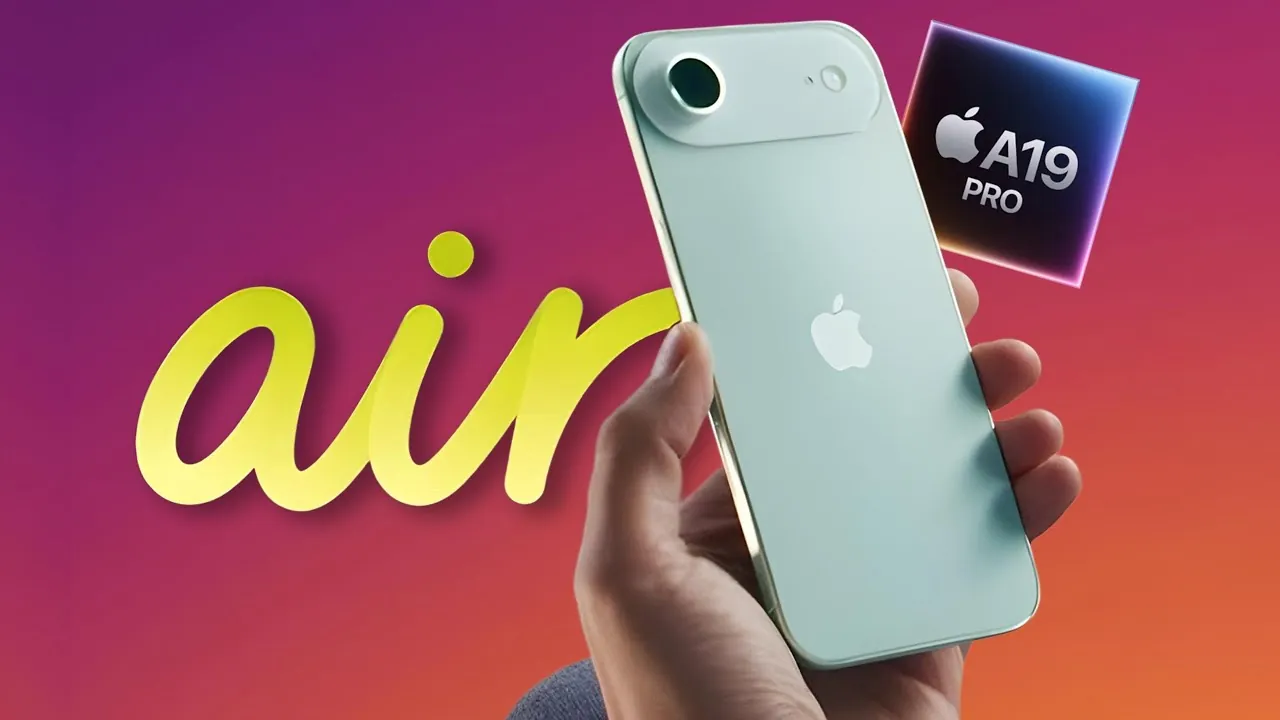
The iPhone 17 Air introduces a striking evolution in smartphone design, emphasizing an ultra-thin, lightweight build that redefines portability. With its innovative hardware and materials, the device reflects Apple’s commitment to pushing technological boundaries. However, its modest 2,800 mAh battery capacity has sparked debate among users who prioritize extended battery life. The video below from SaranByte explores the iPhone 17 Air’s standout features, weighing its strengths against potential limitations to provide a comprehensive perspective.

Design and Build: A Masterpiece of Portability and Elegance
At just 5.5 mm thick and weighing a mere 145 grams, the iPhone 17 Air stands as one of the slimmest and lightest smartphones on the market. Its hybrid aluminum-titanium frame ensures exceptional durability while maintaining a sleek and modern profile. The horizontal camera module adds a contemporary aesthetic, and the device is available in four refined colors: black, white, light gold, and light blue.
This design caters to users who prioritize portability and visual appeal. The ultra-thin build makes it easy to carry and handle, offering a seamless experience for those constantly on the move. However, the reduced internal space required to achieve this design comes with trade-offs. The limited space restricts the battery capacity, which could impact the device’s practicality for users who rely on extended usage throughout the day.
Hardware and Performance: Compact Yet Powerful
The iPhone 17 Air is powered by Apple’s A19 Pro chipset, a innovative processor featuring five GPU cores designed to enhance graphics performance. Paired with 12 GB of RAM, the device delivers smooth multitasking and efficient operation, even when running resource-intensive applications. This combination ensures that the iPhone 17 Air is not just a design marvel but also a performance powerhouse.
The 6.6-inch display, equipped with a 120 Hz ProMotion refresh rate, offers fluid and responsive visuals, making it ideal for gaming, streaming, and other media consumption. Additionally, the 24 MP front-facing camera provides sharp and detailed images, catering to content creators and social media enthusiasts. Despite its compact size, the iPhone 17 Air delivers impressive performance, but its efficiency is tempered by the constraints of its smaller battery.
Battery Life: Balancing Portability with Practicality
The iPhone 17 Air’s 2,800 mAh battery is notably smaller compared to those found in competing flagship devices. While Apple’s iOS 26 introduces adaptive power modes to optimize energy consumption, the battery may struggle to last a full day under heavy usage. This limitation could be a significant drawback for users who depend on their devices for extended periods without access to charging.
To address this concern, Apple offers a battery case accessory, which provides additional power for users who need it. However, this solution may not appeal to everyone, as it adds bulk to the otherwise sleek and lightweight design. For users who prioritize portability and aesthetics, the trade-off might be acceptable. On the other hand, those who require long-lasting performance may find the battery life insufficient for their needs.
Camera: Simplified Yet Effective
The iPhone 17 Air features a single 40 MP rear camera with lossless 2x zoom, delivering sharp and detailed images. This streamlined camera setup is designed for users who prefer straightforward photography without the complexity of multiple lenses. The camera excels in capturing high-quality photos in various lighting conditions, making it a reliable option for everyday use.
However, the absence of ultra-wide and telephoto lenses, which are common in flagship smartphones, may disappoint users who rely on versatile camera options for creative or professional photography. While the simplified setup aligns with the device’s minimalist design philosophy, it may not meet the expectations of those seeking advanced photography features.
Additional Features: Innovation with a Minimalist Approach
The iPhone 17 Air incorporates several modern features that reflect Apple’s forward-thinking approach. These include global eSIM-only technology, which eliminates the need for physical SIM cards, and a mono speaker setup that uses the earpiece for audio output. Additionally, the device employs a copper heat spreader to manage the heat generated by its powerful chipset, making sure consistent performance during demanding tasks.
While these features highlight Apple’s commitment to innovation, they may not resonate with all users. For instance, the absence of stereo speakers could be a drawback for those who value immersive audio experiences. Similarly, the reliance on eSIM technology may pose challenges for users in regions where eSIM adoption is limited. These design choices, while innovative, reflect a minimalist approach that prioritizes portability and simplicity over traditional functionality.
Who Should Consider the iPhone 17 Air?
The iPhone 17 Air is tailored for users who value portability, aesthetics, and innovative technology in a lightweight package. Its ultra-thin design, powerful hardware, and modern features make it an attractive option for individuals seeking a stylish and innovative smartphone. The device is particularly well-suited for those who prioritize ease of use and portability over extended battery life or advanced camera capabilities.
However, the iPhone 17 Air’s limited battery capacity and simplified camera system may deter users who require all-day endurance or versatile photography options. For these individuals, the compromises inherent in the iPhone 17 Air may outweigh its benefits. Ultimately, the device is best suited for a specific audience that values design and portability above all else, offering a unique blend of innovation and practicality.
Explore further guides and articles from our vast library that you may find relevant to your interests in the iPhone 17 Air.
- iPhone 17 Air Leak: Specs, Display, and Performance
- iPhone 17 Air: Specs, Features, and Release Date Revealed
- iPhone 17 Air: Redefining Portability in Smartphones
- Galaxy S25 Edge vs. iPhone 17 Air: Design, Battery, and Camera
- Galaxy S25 Edge vs. iPhone 17 Air: Pros, Cons, and More
Source & Image Credit: SaranByte
Disclosure: Some of our articles include affiliate links. If you buy something through one of these links, Geeky Gadgets may earn an affiliate commission. Learn about our Disclosure Policy.
