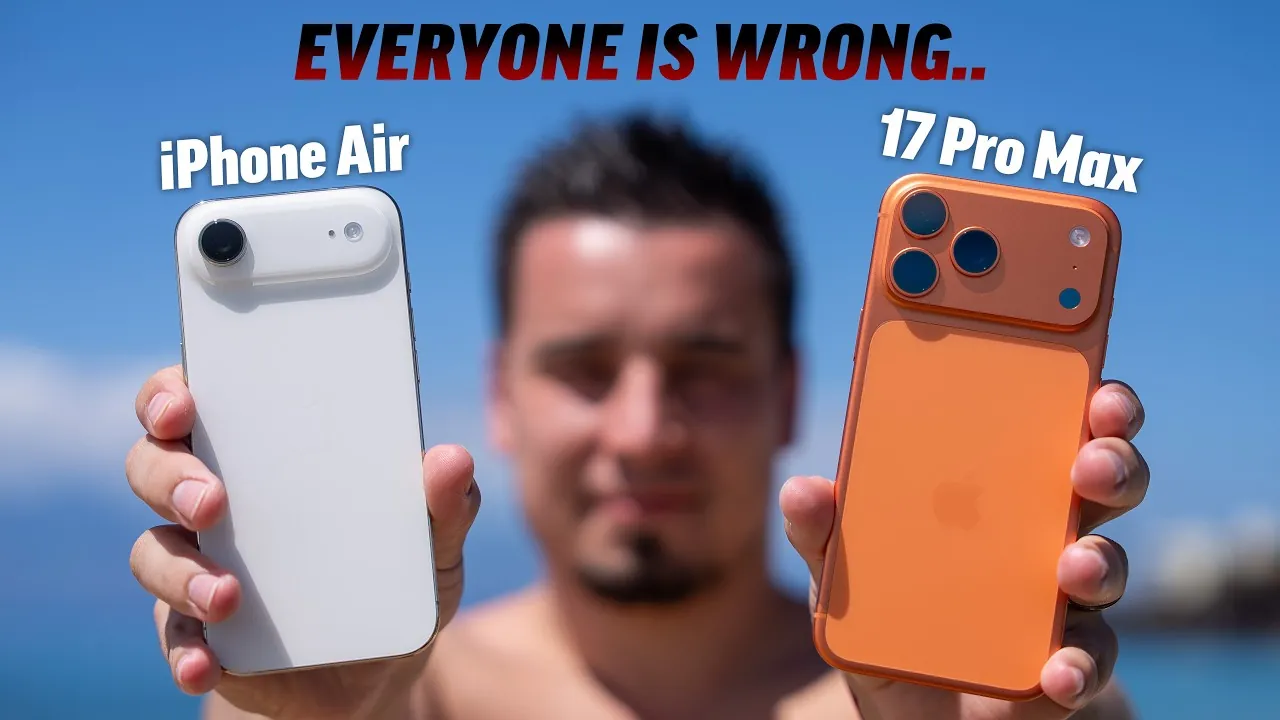
Choosing between the iPhone Air and the iPhone 17 Pro Max can be a complex decision, especially when evaluating their performance in real-world scenarios. After a week of hands-on use, these devices reveal distinct strengths and weaknesses that cater to different user preferences. This detailed analysis video from Max Tech examines their build quality, durability, heat management, camera performance, audio capabilities, battery life, display features, and usability to help you make an informed choice.

Build Quality and Design
The iPhone Air stands out with its titanium body, offering a lightweight yet premium feel. This material not only enhances portability but also provides a textured grip, making it comfortable to hold for extended periods. Its polished finish adds a touch of elegance while making sure practicality for everyday use. In contrast, the iPhone 17 Pro Max features an aluminum body, a material known for its durability but more prone to dents and scratches over time. The smoother surface of the aluminum design can feel slippery, particularly during prolonged handling, which may require additional care or the use of a protective case.
Durability
Durability is a key consideration for many users, and the iPhone Air’s titanium construction gives it a significant edge. Titanium is highly resistant to damage from drops, scratches, and daily wear, making the Air a robust option for those prioritizing longevity. On the other hand, the iPhone 17 Pro Max, with its aluminum build, is functional but less resilient. Under similar conditions, it tends to show signs of wear more quickly, making it a less ideal choice for users who frequently expose their devices to harsh environments or accidental impacts.
Heat Management
Heat management is another area where these devices differ significantly. The iPhone 17 Pro Max incorporates a vapor chamber cooling system, which excels at dissipating heat during demanding tasks such as gaming, video editing, or multitasking. However, this advanced cooling system also causes the device to absorb more heat when exposed to direct sunlight, increasing the risk of overheating in outdoor settings. In contrast, the iPhone Air, while lacking such advanced cooling technology, is better insulated against external heat. This makes it more comfortable to use in warmer environments, particularly for casual tasks like browsing or messaging.
Camera Capabilities
The camera systems on these devices cater to different photography and videography needs. The iPhone Air is equipped with a single rear camera, offering basic functionality with limited zoom capabilities—10x for photos and 6x for videos. While sufficient for casual photography, it lacks the versatility needed for more advanced use cases. In comparison, the iPhone 17 Pro Max features a triple-camera system, including an ultrawide lens and impressive zoom capabilities of up to 40x for photos and 24x for videos. It also supports cinematic video modes, providing advanced recording options that the Air cannot match. This makes the Pro Max a superior choice for content creators or users who prioritize high-quality photography and videography.
Audio Performance
Audio quality is a clear differentiator between the two devices. The iPhone 17 Pro Max delivers superior sound through its stereo speakers, offering richer and more immersive audio. This makes it ideal for gaming, media consumption, and video calls, where sound clarity and depth are essential. In comparison, the iPhone Air features a single speaker, which provides basic audio output. While adequate for casual use, it may not satisfy users seeking high-quality sound for entertainment or professional purposes.
Battery Life
Battery performance is a critical factor for most users, and the iPhone 17 Pro Max excels in this area. It offers exceptional battery life, easily lasting a full day even with heavy usage. This makes it a reliable choice for power users who rely on their devices for work, gaming, or streaming. The iPhone Air, while improved compared to previous compact models, requires more frequent charging, particularly during intensive use. This difference highlights the Pro Max’s suitability for users who prioritize endurance and reliability in their smartphones.
Display and Features
Both devices feature a 120 Hz display, ensuring smooth visuals and an always-on display for quick access to information. However, the iPhone 17 Pro Max has an edge with faster charging speeds and higher data transfer rates via USB-C. These enhancements improve convenience and efficiency, particularly for users who frequently transfer large files or need quick charging on the go. The iPhone Air, while offering a similarly smooth display experience, lacks these advanced features, making it less appealing for users who require high-speed performance and connectivity.
Usability
The usability of these devices ultimately depends on your priorities and lifestyle. The iPhone 17 Pro Max is designed for users who demand advanced features, durability, and extended battery life. It is particularly well-suited for professionals, content creators, and those who rely heavily on their smartphones for work or entertainment. In contrast, the iPhone Air is better suited for individuals who value a lightweight, premium-feeling device with basic functionality. Its compact design and titanium build make it an attractive option for casual users or those who prioritize portability over advanced features.
Final Thoughts
After a week of real-world use, the iPhone Air and iPhone 17 Pro Max demonstrate their unique strengths and appeal to different types of users. The iPhone Air impresses with its luxurious titanium design and portability, making it a great choice for those who prioritize comfort and style. However, it sacrifices advanced features and durability in favor of a more compact and lightweight design. On the other hand, the iPhone 17 Pro Max offers robust performance, a superior camera system, and extended battery life, making it the better option for users seeking a high-performance device. Your decision should align with your specific needs, whether you prioritize design and portability or functionality and endurance.
Here are additional guides from our expansive article library that you may find useful on iPhone Air.
- iPhone Air Review: Features, Design, and Performance
- The iPhone 17 Air Is Coming: Here’s What to Expect
- iPhone Air: Features, Pricing, and Why It’s Apple’s Best Yet
- iPhone 17 Air: Features, Specs, and Release Date
- iPhone Air vs iPhone 17 Pro: Key Differences Explained
Source & Image Credit: Max Tech
Disclosure: Some of our articles include affiliate links. If you buy something through one of these links, Geeky Gadgets may earn an affiliate commission. Learn about our Disclosure Policy.
