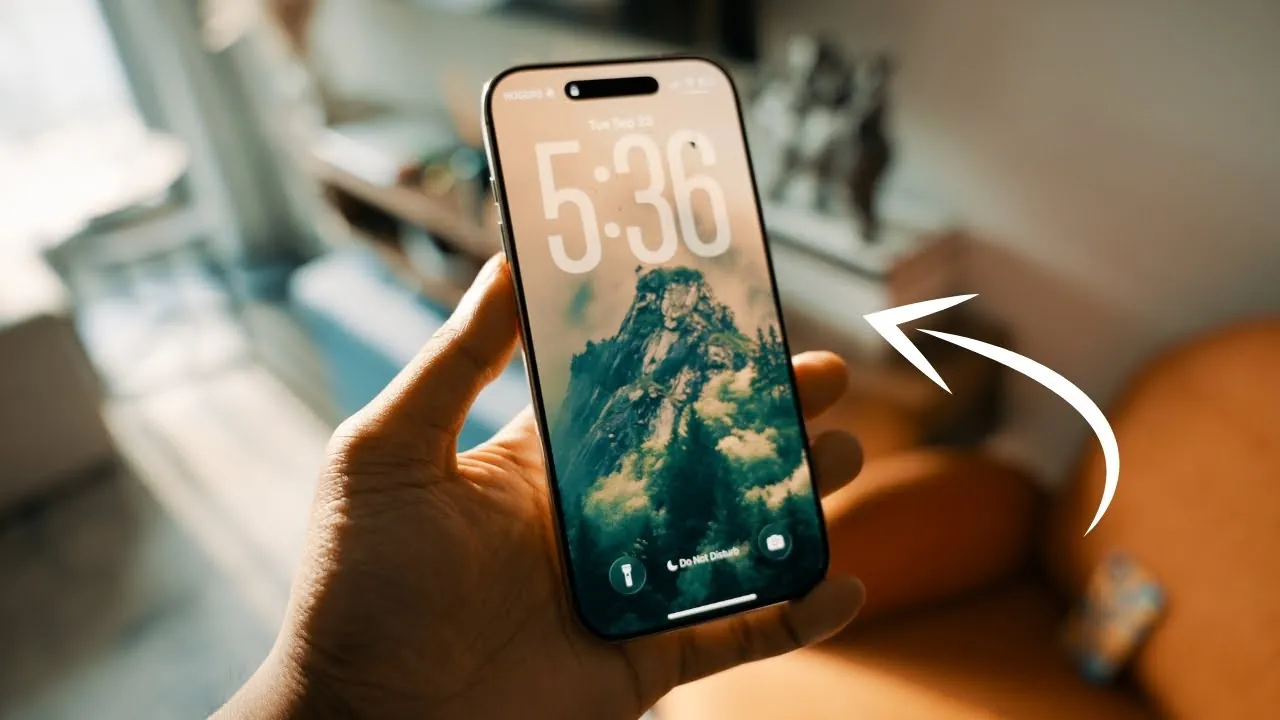
Apple’s iPhone Air represents a significant step forward in lightweight smartphone design, marking a departure from the company’s traditional approach. With its ultra-thin profile, titanium frame, and advanced features, the iPhone Air is a bold addition to Apple’s lineup. While it excels in portability and aesthetics, it also introduces trade-offs that may not align with the needs of every user. This device is a testament to Apple’s willingness to innovate, but its niche appeal raises questions about its long-term viability in the market. The video below from Rjey Tech gives us a detailed look at the new iPhone Air and its range of features.

Design and Build: A Masterpiece of Minimalism
At just 5.6 mm thick, the iPhone Air is Apple’s thinnest smartphone to date, setting a new benchmark for portability. The titanium frame not only enhances durability but also keeps the device lightweight, making it comfortable to hold and carry. Available in elegant colors such as light gold, space black, and sky blue, the iPhone Air exudes sophistication.
However, some design choices may polarize users. The off-center USB-C port, while functional, disrupts the device’s symmetry, and the protruding single camera lens may not appeal to those who value a seamless design. These elements reflect the compromises made to achieve the phone’s ultra-thin form factor, which prioritizes portability over traditional design norms.
Display: A Visual Delight for Everyday Use
The iPhone Air features a 6.5-inch Super Retina XDR display that delivers exceptional brightness and clarity. With ProMotion technology making sure smoother scrolling and a peak brightness of 30,000 nits, the screen remains highly visible even in direct sunlight. An anti-reflective coating further enhances outdoor usability, making it ideal for users who frequently use their devices on the go.
Whether you’re streaming high-definition videos, browsing the web, or editing photos, the display offers vibrant colors and sharp details. Its performance in various lighting conditions underscores Apple’s commitment to delivering a premium viewing experience, even in a device designed with portability as its primary focus.
Performance: A19 Pro Chip Powers Seamless Multitasking
Under the hood, the iPhone Air is powered by the A19 Pro chip, which ensures fast and efficient performance. Running on iOS 26, the device introduces several new features, including an AI-powered keyboard that improves typing accuracy and speed. This combination of hardware and software delivers a smooth user experience, whether you’re multitasking, gaming, or running demanding applications.
The A19 Pro chip also enhances the phone’s energy efficiency, helping to offset the limitations of its smaller battery. Users can expect responsive performance across a wide range of tasks, making the iPhone Air a capable device despite its lightweight design.
Camera: High-Quality Images with Limited Flexibility
The iPhone Air’s single 40 MP camera uses pixel binning technology to produce sharp and detailed images. Low-light photography is particularly impressive, thanks to advanced image processing capabilities. The camera also supports high-quality 4K video recording, making it a strong choice for users who prioritize image and video clarity.
However, the absence of additional lenses, such as ultrawide or telephoto options, limits the camera’s versatility. While the single-lens setup is sufficient for everyday photography, users who rely on multiple lenses for creative or professional purposes may find the iPhone Air’s camera system restrictive.
Battery Life and Charging: Designed for Light Users
The iPhone Air offers approximately 5.5 hours of screen-on time, which is adequate for light to moderate users but may fall short for those with more demanding usage patterns. The smaller battery capacity is a direct trade-off for the device’s lightweight design.
Charging speeds are reasonable, with the device reaching 20% to 65% in just 30 minutes via USB-C. Wireless charging has also been improved, offering faster speeds compared to previous models. However, heavy users may find themselves needing to recharge more frequently, which could be a drawback for those seeking all-day battery life.
Audio: Compromises in Sound Quality
The iPhone Air features a single speaker design, which delivers clear but less immersive audio compared to the stereo speaker setups found in other iPhone models. While the sound quality is sufficient for casual use, such as phone calls or listening to podcasts, it lacks the depth and richness required for a truly engaging multimedia experience. This compromise may disappoint users who prioritize audio quality in their devices.
Comfort and Usability: Prioritizing Portability Over Features
Weighing significantly less than other iPhones, the iPhone Air is designed with portability and ease of use in mind. Its lightweight build makes it an excellent choice for users who value convenience and aesthetics. The device is particularly well-suited for those who prefer a minimalist approach to smartphone functionality.
However, this focus on portability comes at the expense of certain features. The smaller battery, single camera lens, and lack of stereo speakers are notable omissions that may deter users seeking a more comprehensive smartphone experience. The iPhone Air is best suited for individuals who prioritize portability and are willing to accept these trade-offs.
Position in Apple’s Lineup: A Niche Product with Limited Appeal
Replacing the iPhone Plus, the iPhone Air represents Apple’s exploration of new design possibilities. However, its niche appeal and limited feature set suggest that it may not have a long-term presence in Apple’s lineup. With the anticipated release of the iPhone Ultra Foldable, which promises greater versatility and innovation, the iPhone Air faces stiff competition.
The device’s high price point further complicates its position, as it offers fewer features compared to the regular iPhone 17, which provides better value for money. While the iPhone Air is an intriguing addition to Apple’s portfolio, its appeal is likely to remain limited to a specific segment of users.
Key Trade-Offs: Balancing Portability and Functionality
While the iPhone Air excels in design and portability, it comes with several compromises that may influence purchasing decisions:
- The absence of an ultrawide lens and stereo speakers limits its multimedia capabilities.
- Battery life is average, making it less suitable for heavy users.
- Its high price point may deter users who prioritize value for money.
The iPhone Air is a compelling option for users who prioritize portability and aesthetics. However, its compromises in battery life, camera versatility, and audio quality make it a niche product. For most users, the regular iPhone 17 or other models in Apple’s lineup may offer a more balanced and feature-rich experience.
Stay informed about the latest in iPhone Air by exploring our other resources and articles.
- iPhone 17 Air: Features, Specs, and Release Date
- Is the iPhone 17 Air Worth It? Pros, Cons, and Full Breakdown
- iPhone 17 Air: Specs, Features, and Release Date Revealed
- Ultra-Thin iPhone 17 Air: Full Rumored Specs and Details
- iPhone 17 Pro Max and Air: Features, Specs, and More
Source & Image Credit: Rjey Tech
Disclosure: Some of our articles include affiliate links. If you buy something through one of these links, Geeky Gadgets may earn an affiliate commission. Learn about our Disclosure Policy.
