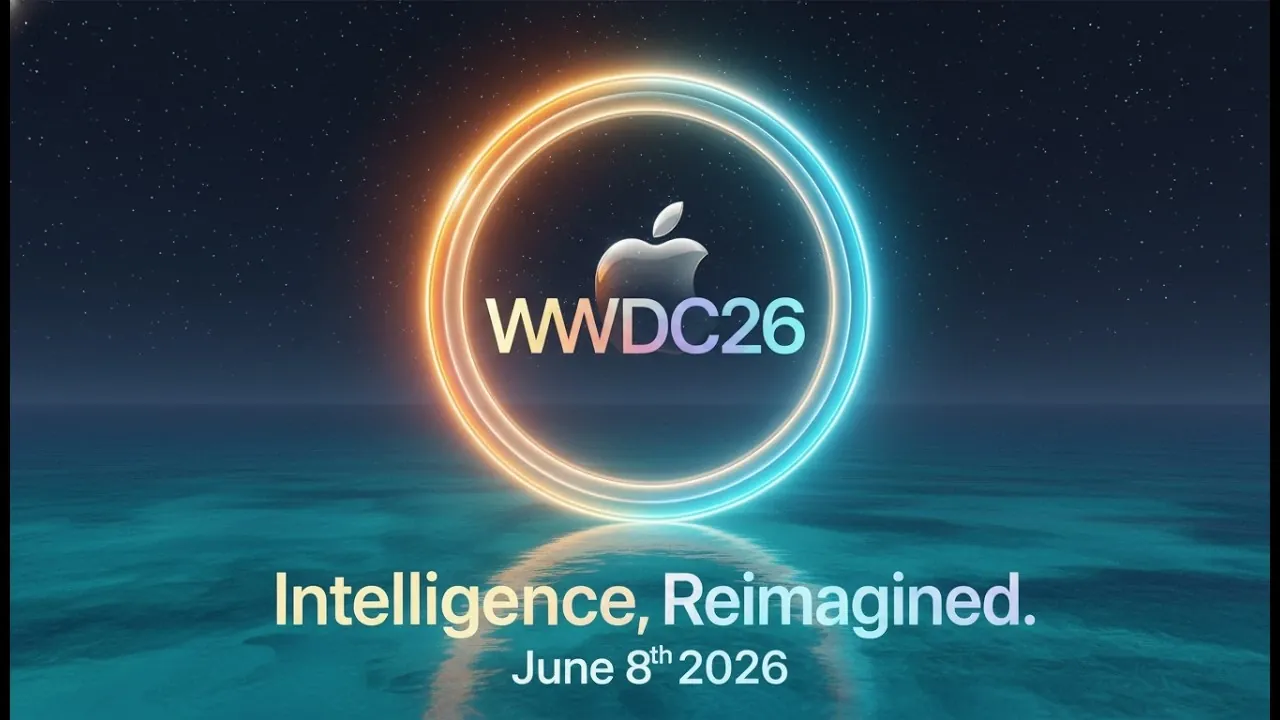
Apple’s Worldwide Developers Conference (WWDC) 2026 is shaping up to be a pivotal moment for the tech giant, with leaks suggesting major announcements in both hardware and software. From the highly anticipated M5 series chips to expanded AI integration and significant storage upgrades, this year’s event promises to deliver advancements that could redefine the Apple ecosystem. However, ongoing supply chain challenges, particularly RAM shortages, may impact the release timelines for some products. Below is a detailed look at the most critical updates expected at WWDC 2026 in a new video from Matt Talks Tech.

Next-Generation Apple Silicon: The M5 Series
The spotlight at WWDC 2026 is expected to shine on Apple’s next-generation silicon, the M5 series chips. This lineup, which includes the M5, M5 Pro, M5 Max and M5 Ultra, is designed to deliver unparalleled performance and efficiency across Apple’s devices. These chips are set to power a range of products, each tailored to specific user needs:
- Mac Mini and iMac 24-inch: Both devices are rumored to feature the base M5 chip, offering faster processing speeds and improved energy efficiency, making them ideal for everyday users and professionals alike.
- Mac Studio: Targeted at power users, the Mac Studio is expected to include the high-performance M5 Max and M5 Ultra chips, delivering exceptional capabilities for tasks like video editing, 3D rendering and software development.
- iPad and Apple TV: The iPad is anticipated to debut with the A18 chip, while the Apple TV will likely feature the A17 Pro chip, both promising enhanced performance and optimized energy consumption.
While these advancements are exciting, supply chain constraints, particularly RAM shortages, could delay the release of certain products. For instance, the Mac Studio may not hit shelves until late 2026 and the A18-powered iPad is expected to arrive in the latter half of the year.
Storage Upgrades: Meeting User Demands
Apple appears to be addressing long-standing user demands for increased storage capacity. Leaks suggest that the baseline storage for the Mac Mini and iMac 24-inch will start at 512GB, a significant improvement over previous models. Additionally, higher-end configurations, such as the M5 Pro-powered Mac Mini, may begin at 1TB. These upgrades reflect Apple’s commitment to enhancing functionality and meeting the needs of modern users, all while maintaining the familiar external designs of its devices.
AI Integration: Smarter Devices Across the Ecosystem
Artificial intelligence is becoming a cornerstone of Apple’s strategy, with the rumored introduction of “Apple Intelligence” poised to enhance the functionality of its devices. AI is expected to play a fantastic role across the ecosystem, delivering smarter, more personalized experiences. Key areas of AI integration include:
- HomePod and HomePod Mini: Enhanced AI capabilities may improve audio quality, voice recognition and smart home integration, making these devices more intuitive and user-friendly.
- Apple TV: With the A17 Pro chip, the Apple TV could use AI to offer smarter content recommendations, improved voice commands and seamless user interactions.
These advancements aim to create a more interconnected and efficient ecosystem, where devices work together seamlessly to meet user needs.
Software Updates: A Unified Ecosystem
WWDC 2026 is also expected to introduce significant updates to Apple’s software platforms, including macOS, iOS, iPadOS and tvOS. These updates are designed to optimize performance, enhance security, and deepen integration across Apple’s ecosystem. Developers are particularly excited about rumored enhancements to tvOS, which may include new tools for app testing and development. Key software improvements are expected to:
- Boost overall device performance and stability.
- Introduce new features tailored to both developers and end-users.
- Strengthen the interconnectedness of Apple’s ecosystem, allowing seamless transitions between devices.
These updates underscore Apple’s commitment to creating a unified and user-focused experience across its hardware and software platforms.
Apple TV: HDMI Pass-Through and More
The Apple TV is rumored to receive a significant upgrade, with the A17 Pro chip at its core. One of the most intriguing potential features is HDMI pass-through, which would allow the device to act as a central hub for home entertainment systems. This feature, combined with AI-driven enhancements, could make the Apple TV an indispensable part of your living room setup, offering improved functionality and a more immersive viewing experience.
Hardware Design: Consistency Over Change
While Apple is focusing on internal advancements, the external designs of devices like the iMac, Mac Mini and HomePod are expected to remain largely unchanged. This approach reflects Apple’s strategy of prioritizing performance and functionality over aesthetic redesigns. By maintaining familiar designs, Apple ensures that users can enjoy the benefits of innovative technology without the need to adapt to new form factors.
Challenges Ahead: Supply Chain Constraints
Despite the excitement surrounding these innovations, supply chain challenges, particularly RAM shortages, pose significant hurdles. These issues could delay the release of key products, such as the Mac Studio and the A18-powered iPad, potentially pushing their launches to late 2026. However, Apple’s ability to navigate these challenges while delivering meaningful advancements highlights its resilience and commitment to innovation.
Looking Ahead
WWDC 2026 is poised to be a landmark event for Apple, showcasing a blend of hardware and software innovations that promise to redefine its ecosystem. From the introduction of the M5 series chips to expanded storage options and AI-driven features, Apple is setting the stage for a more powerful, interconnected and user-focused experience. While supply chain constraints may cause some delays, the broader advancements in performance, functionality and integration reaffirm Apple’s position as a leader in the tech industry. As these updates unfold, it’s clear that Apple is continuing to push the boundaries of what its ecosystem can achieve.
Source & Image Credit: Matt Talks Tech
Disclosure: Some of our articles include affiliate links. If you buy something through one of these links, Geeky Gadgets may earn an affiliate commission. Learn about our Disclosure Policy.
