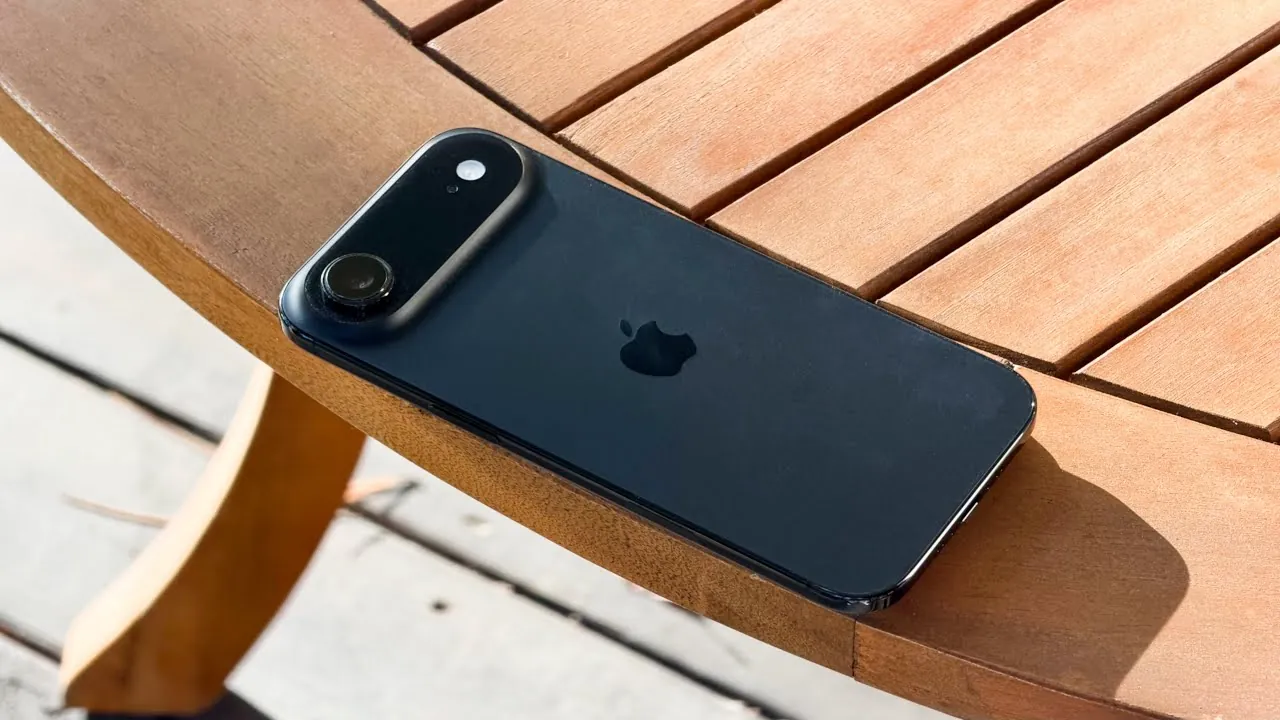
The iPhone Air, launched just over a month ago, has sparked a wide range of reactions. Its ultra-thin design, titanium build, and forward-thinking features have captivated many, while concerns about battery life, audio quality, and connectivity have tempered the enthusiasm. The video below from Zollotech provides more insights into the iPhone Air’s key strengths and weaknesses, providing insights to help you determine whether it represents a bold step toward the future or a misstep in smartphone evolution.

Design and Build Quality
The iPhone Air’s design is undeniably its most striking feature. With a titanium frame and Ceramic Shield 2, the device exudes a sense of premium craftsmanship and durability. The near bezel-less display and seamless glass construction contribute to a modern, minimalist aesthetic that appeals to those who value sleek and sophisticated designs. However, the prominent camera bump disrupts the otherwise smooth profile, drawing criticism from users who prefer a more uniform look.
Despite its ultra-thin build, the phone feels solid and well-balanced in hand. For those concerned about accidental drops or scratches, a bumper case is highly recommended to preserve the device’s pristine appearance and structural integrity.
Durability
Durability is one of the iPhone Air’s standout features. The titanium frame and Ceramic Shield 2 provide excellent resistance to scratches and drops, making it a reliable choice for users who prioritize longevity. Even with its ultra-thin profile, the device maintains a sturdy and premium feel, offering peace of mind for everyday use. While the materials used in its construction are impressive, users should still exercise caution, as the thin design may make it more susceptible to bending under extreme pressure.
Battery Life
Battery life is a significant trade-off for the iPhone Air’s slim and lightweight design. The smaller battery struggles to keep up with heavy usage, often requiring frequent recharging throughout the day. For light to moderate tasks, such as browsing or messaging, the battery performs adequately. However, power users—those who rely on their phones for gaming, video streaming, or multitasking—may find the battery life insufficient.
Many users have turned to MagSafe battery packs as a practical solution for extending usage time. While this workaround is effective, it adds bulk to the otherwise sleek device, somewhat negating its portability advantage.
Performance
Powered by the A19 Pro chip and equipped with 12GB of RAM, the iPhone Air delivers impressive performance for everyday tasks. Apps launch quickly, multitasking is seamless, and the device handles most activities with ease. However, during more intensive tasks—such as gaming or video editing—the phone tends to heat up, particularly near the camera module. This could be a concern for users who frequently push their devices to their limits.
While the performance is commendable, the thermal management issues suggest that the ultra-thin design may have compromised the device’s ability to dissipate heat effectively. This is an area where future iterations of the iPhone Air could see improvement.
Camera Quality
The iPhone Air’s camera system offers excellent photo and video capabilities, rivaling other models in the iPhone 17 lineup. Photos are sharp, with vibrant colors and impressive detail, while videos benefit from stabilization technology that ensures smooth footage. These features make the iPhone Air a strong choice for casual photographers and videographers.
However, the device lacks some of the advanced camera features found in the Pro models, such as enhanced zoom capabilities and advanced low-light performance. Users who prioritize professional-grade photography may find the Air’s camera system somewhat limiting, though it remains more than sufficient for everyday use.
Audio and Speakers
Audio quality is one of the iPhone Air’s weaker aspects. The single-speaker design, while functional, falls short when compared to the stereo speakers featured on other iPhone 17 models. Sound output lacks depth and vibrancy, particularly when the device is used in landscape mode for watching videos or playing games.
For users who frequently consume media or rely on their phones for audio playback, the lack of stereo sound may be a noticeable drawback. Investing in quality wireless headphones or external speakers could help mitigate this limitation.
Connectivity
The iPhone Air incorporates innovative connectivity features, including the C1X modem, Wi-Fi 7, Bluetooth 6, and Thread support. These technologies ensure fast and reliable connections for most tasks, from streaming high-definition content to transferring files.
However, the device’s cellular performance is slightly weaker than that of the Pro models, particularly in areas with poor network coverage. This could be a concern for users who rely heavily on mobile data in remote or low-signal locations. While the connectivity features are impressive on paper, real-world performance may vary depending on individual usage scenarios.
Software and Usability
Running on the latest version of iOS, the iPhone Air offers a smooth and intuitive user experience. The ProMotion display, with its high refresh rate, enhances usability by providing fluid scrolling and responsive touch interactions. These features make navigating the device a pleasure, whether you’re browsing the web, editing photos, or playing games.
However, some users have reported minor software bugs and quirks that occasionally disrupt the experience. These issues are likely to be addressed in future updates, but they may be a source of frustration for early adopters. Overall, the software experience aligns with Apple’s reputation for delivering polished and user-friendly interfaces.
Future Potential
The iPhone Air’s ultra-thin design and lightweight build hint at Apple’s potential direction toward more portable and innovative devices. Its compact form factor suggests a shift in smartphone design priorities, emphasizing portability and aesthetics over raw power. This could pave the way for future advancements, such as foldable designs or even more compact smartphones.
However, the current limitations—particularly in battery life, audio quality, and cellular performance—highlight the challenges of balancing form and function. Addressing these shortcomings will be crucial for Apple to fully realize the potential of this design philosophy. The iPhone Air serves as a bold experiment, laying the groundwork for what could become a significant evolution in smartphone design.
Final Thoughts
The iPhone Air represents a bold step in Apple’s pursuit of innovation, appealing to users who prioritize aesthetics, portability, and innovative design. Its titanium frame, ultra-thin profile, and advanced features showcase Apple’s commitment to pushing the boundaries of smartphone technology. However, compromises in battery life, audio quality, and connectivity may deter users seeking a more balanced experience.
For those who value performance and versatility, the iPhone 17 Pro or Pro Max may be better alternatives. Yet, the iPhone Air’s unique design and forward-thinking approach make it an intriguing option for early adopters and tech enthusiasts. While not without its flaws, the iPhone Air offers a glimpse into the future of smartphone design, setting the stage for exciting possibilities in Apple’s product lineup.
Discover other guides from our vast content that could be of interest on iPhone Air.
- How to Customize and Optimize Your iPhone Air
- iPhone Air Review: Features, Design, and Performance
- iPhone Air: Can It Replace the iPhone 17 Pro Max?
- iPhone 17 Pro vs. iPhone Air: Price, Camera, Battery, and More
- iPhone Air: Features, Design, and Performance Breakdown
Source & Image Credit: zollotech
Disclosure: Some of our articles include affiliate links. If you buy something through one of these links, Geeky Gadgets may earn an affiliate commission. Learn about our Disclosure Policy.
