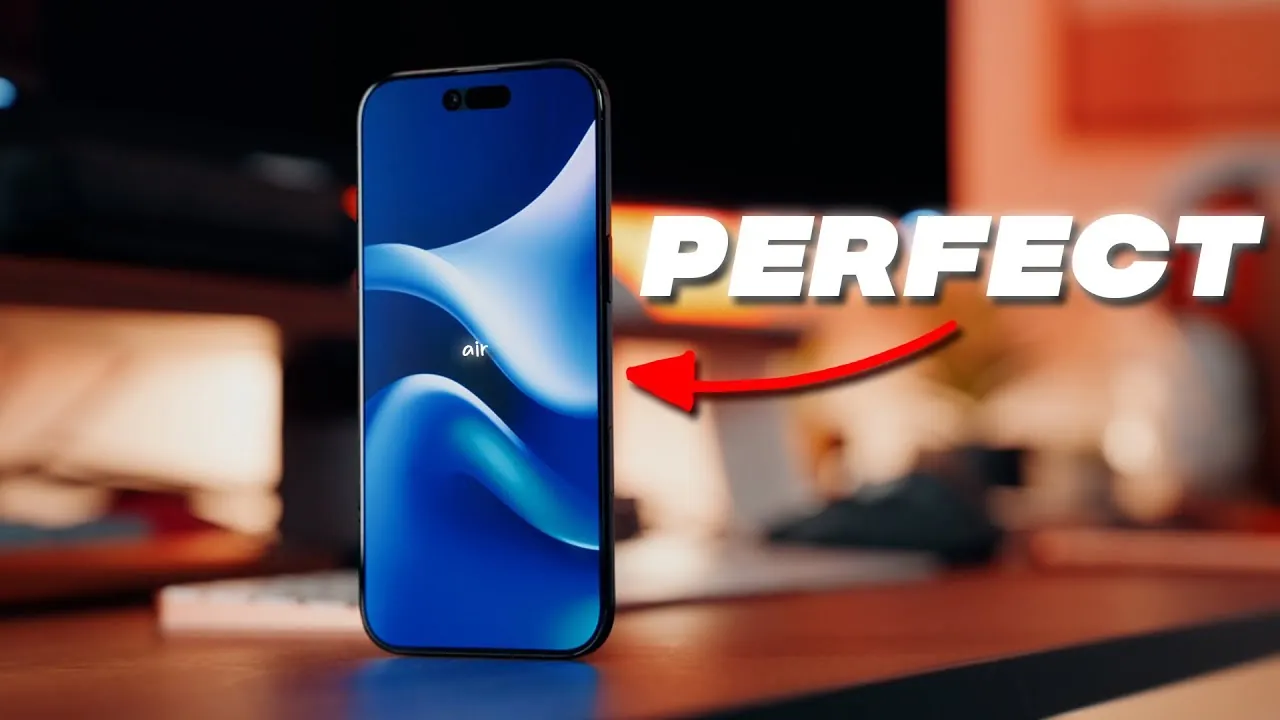
The iPhone Air represents a pivotal step in Apple’s evolution of smartphone design, focusing on portability, simplicity, and efficiency. As the thinnest and lightest iPhone ever created, it caters to users who value sleek aesthetics and convenience over innovative performance or advanced features. Equipped with impressive technology like the A19 Pro chip and a Super Retina XDR display, the iPhone Air strikes a balance between innovation and practicality. However, it also makes deliberate compromises in areas such as camera versatility and battery capacity. Below is an in-depth exploration of what the iPhone Air offers and the type of user it is best suited for in a new video from Mark Linsangan.

Design and Build: Minimalism Meets Elegance
The iPhone Air’s design is a testament to Apple’s commitment to minimalism and portability. With an ultra-thin profile of just 5.6 mm and a weight of 165 g, it is the lightest iPhone to date. The titanium frame and ceramic shield provide a combination of durability and sophistication, making sure the device feels premium despite its featherweight build. Its single rear camera, subtly integrated into a “camera plateau,” enhances the minimalist aesthetic without drawing unnecessary attention.
This design is ideal for users who prioritize sleekness and ease of use. However, the lightweight construction may feel less substantial compared to heavier Pro models, which some users associate with durability. The iPhone Air’s design is particularly appealing to those who prefer a smartphone that is easy to carry and fits seamlessly into their daily routine without compromising on style.
Display: A Visual Experience That Shines
The iPhone Air features a 6.5-inch Super Retina XDR display that delivers exceptional clarity and vibrant visuals. With ProMotion technology, the display offers a variable refresh rate ranging from 1 Hz to 120 Hz, making sure smooth scrolling and efficient power consumption. This adaptability enhances the user experience, whether you’re browsing, gaming, or streaming content.
One of the standout features of the display is its peak brightness of 3000 nits, which ensures excellent visibility even in direct sunlight. This makes the iPhone Air particularly well-suited for outdoor use, whether you’re reading, navigating, or watching videos. The display’s sharpness and color accuracy rival those of higher-end models, making it a strong contender for users who prioritize visual quality in a lightweight device.
Performance: Power Meets Efficiency
At the heart of the iPhone Air is the A19 Pro chip, which delivers fast and efficient performance for everyday tasks and moderate workloads. While it has one fewer GPU core compared to the Pro models, it remains highly capable for most users. The inclusion of Apple’s C1X modem enhances cellular connectivity and energy efficiency, making sure reliable performance in various environments.
The device also supports Wi-Fi 7, Bluetooth 6, and Thread through the N1 chip, allowing seamless wireless connectivity. With up to 12 GB of RAM and 1 TB of storage, the iPhone Air is well-equipped for multitasking, media storage, and app usage. This combination of power and efficiency makes it an excellent choice for users who need a reliable smartphone for daily productivity without the bulk of a Pro model.
Camera: Simplified Yet Effective
The iPhone Air’s camera system is designed with simplicity in mind. It features a single 48 MP rear camera that excels in low-light conditions and captures detailed images. While it lacks the ultrawide and telephoto lenses found in Pro models, the primary camera is more than sufficient for casual photography and everyday use.
The front-facing 18 MP “center stage” camera is optimized for selfies and video calls, offering stabilized 4K video and improved framing. This makes the iPhone Air a practical choice for users who prioritize ease of use over advanced photography features. However, photography enthusiasts who require greater versatility may find the single-camera setup limiting.
Battery Life: Optimized for Moderate Use
Battery life is one area where the iPhone Air makes noticeable trade-offs. Its smaller battery is offset by Apple’s hardware-software integration, which optimizes power consumption for extended usage. For users with moderate usage patterns, the battery life should be adequate, supporting tasks like browsing, streaming, and messaging throughout the day.
However, the device may struggle during prolonged gaming sessions or intensive workloads, making it less suitable for heavy users. While the iPhone Air’s battery performance aligns with its lightweight and minimalist design philosophy, users who prioritize long-lasting power may need to consider alternative models.
Audio and Haptics: Functional but Basic
The iPhone Air includes a single speaker, which is sufficient for casual use but lacks the immersive stereo sound offered by Pro models. Similarly, its haptics system provides weaker feedback, which may feel less refined compared to higher-end counterparts. While these compromises are unlikely to significantly impact daily use, they are worth considering for users who place a high value on audio quality and tactile feedback.
Who Should Consider the iPhone Air?
The iPhone Air is tailored for users who prioritize portability, design, and a streamlined smartphone experience. Its lightweight build and minimalist features make it an excellent choice for individuals who value convenience and aesthetics over advanced functionality. It is particularly well-suited for:
- Users who prefer a lightweight and compact smartphone for easy portability.
- Those who prioritize a sleek and minimalist design.
- Casual users who require reliable performance for everyday tasks.
- Individuals who value a high-quality display for media consumption.
However, the iPhone Air may not be the best option for users who need a robust camera system, extended gaming performance, or a larger battery. For those seeking maximum performance or advanced features, the Pro models may be a better fit.
A Balanced Choice for Minimalists
The iPhone Air offers a unique combination of portability, design, and performance, making it a compelling choice for users seeking a minimalist smartphone. While it makes deliberate compromises in areas like camera versatility and battery capacity, it excels in delivering a lightweight and visually stunning device. If you value simplicity and portability in a smartphone, the iPhone Air is a strong contender. However, for users who demand maximum performance or advanced features, exploring the Pro models may be a more suitable option.
Explore further guides and articles from our vast library that you may find relevant to your interests in iPhone Air.
- Is the iPhone 17 Air Worth It? Pros, Cons, and Full Breakdown
- iPhone Air vs. iPhone 17 Pro Max: A Detailed Comparison Guide
- iPhone Air Review: Features, Design, and Performance
- Apple iPhone 17 Pro and Air: Features, Specs, and Pricing
- iPhone Air vs iPhone 17 Pro: Key Differences Explained
Source & Image Credit: Mark Linsangan
Disclosure: Some of our articles include affiliate links. If you buy something through one of these links, Geeky Gadgets may earn an affiliate commission. Learn about our Disclosure Policy.
