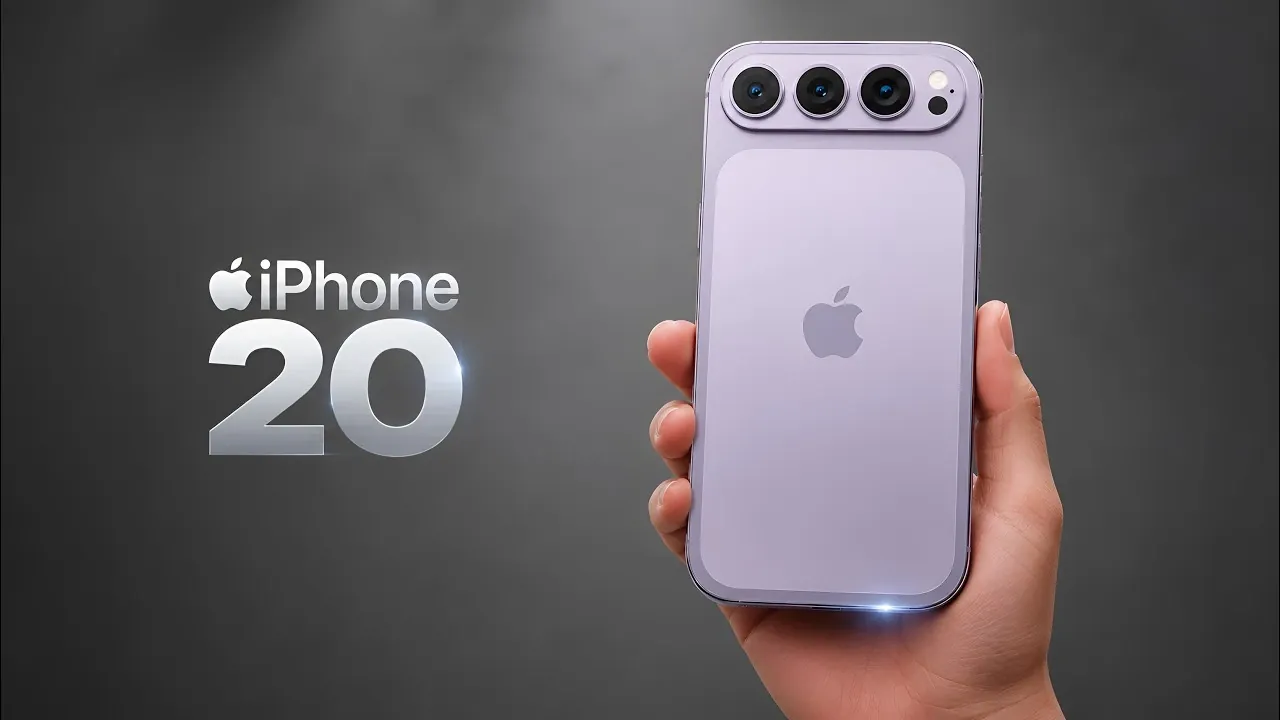
The iPhone 20, anticipated to launch in 2027 to commemorate Apple’s 20th anniversary, is poised to represent a significant evolution in smartphone technology. With a bold redesign and a suite of innovative features, it promises to deliver one of the most substantial updates since the iPhone X. Apple’s vision for the iPhone 20 is ambitious: to craft a seamless, futuristic device that integrates innovative hardware and software, setting a new benchmark for mobile innovation and redefining user expectations.

Reimagined Design: Elegance Meets Functionality
Apple is rumored to be introducing a sleek, curved glass design for the iPhone 20, departing from the angular, industrial aesthetic of its recent predecessors. This design is expected to enhance both the device’s visual appeal and its ergonomic comfort, making it more intuitive to hold and use. The curved glass not only contributes to a polished, fluid appearance but also reinforces the futuristic theme that Apple aims to achieve. By blending form and function seamlessly, the iPhone 20 could redefine what users expect from smartphone design.
Beyond aesthetics, the new design is likely to improve durability. Reports suggest that Apple may incorporate advanced materials to ensure the device remains resilient against everyday wear and tear. This combination of elegance and practicality underscores Apple’s commitment to delivering a product that is both visually striking and highly functional.
Display Breakthroughs: A Visual Revolution
The iPhone 20 is expected to feature a next-generation OLED display, incorporating advanced technologies such as color filter encapsulation. This innovation could result in thinner, brighter and more energy-efficient screens, enhancing both visual quality and battery performance. Additionally, an anti-reflective coating may improve visibility in bright environments, making outdoor use more practical and enjoyable.
One of the most exciting rumors surrounding the iPhone 20 is the potential integration of under-display Face ID technology. By embedding the facial recognition system beneath the screen, Apple could eliminate the notch or Dynamic Island, delivering a truly edge-to-edge display. This design choice would not only enhance the immersive viewing experience but also align with the device’s futuristic aesthetic. If realized, this feature could set a new standard for smartphone displays, emphasizing both functionality and innovation.
Photography Redefined: A Camera System for All
The iPhone 20’s camera system is expected to push the boundaries of mobile photography, offering features that cater to both casual users and professional photographers. A custom HDR image sensor is rumored to enhance dynamic range and color accuracy, making sure that photos and videos capture every detail with stunning clarity. Additionally, variable aperture technology could allow users to adapt to different lighting conditions effortlessly, making the camera versatile in a wide range of scenarios.
Apple may also introduce advanced computational photography features powered by the A21 chip. These capabilities could include real-time adjustments for lighting, focus and color balance, further enhancing the quality of images and videos. By combining hardware advancements with software innovations, the iPhone 20 aims to deliver a photography experience that rivals dedicated cameras, solidifying its position as a leader in mobile imaging technology.
Performance Upgrades: Speed and Efficiency Combined
At the core of the iPhone 20 lies the A21 chip, a next-generation processor designed to deliver exceptional speed and efficiency. This chip is expected to enable smoother multitasking, faster app performance and support for advanced AI-driven features. By using innovative semiconductor technology, the A21 chip could set a new benchmark for mobile processors, making sure that the iPhone 20 remains responsive and capable of handling demanding applications.
Battery life is another area where the iPhone 20 is expected to excel. Apple is reportedly exploring silicon anode battery technology, which could significantly extend battery life without increasing the device’s size. This innovation would address one of the most common pain points for smartphone users, offering longer usage times and reducing the need for frequent charging. Additionally, the inclusion of high-bandwidth memory could enhance data processing speeds, further improving the overall performance of the device.
Smarter Software: AI at the Core
Artificial intelligence is set to play a central role in the iPhone 20, enhancing user experiences across a variety of applications. From text summarization to creative tasks, AI-driven features are expected to make the device more intuitive and efficient. For example, the iPhone 20 could offer advanced voice recognition capabilities, allowing users to interact with their devices more naturally and effectively.
Complementing these advancements is the rumored Liquid Glass UI, a sleek and futuristic interface designed to align with the iPhone 20’s innovative hardware. This new user interface could provide a more immersive and visually engaging experience, further distinguishing the iPhone 20 from its competitors. By integrating AI deeply into its software, Apple aims to create a device that not only meets but anticipates the needs of its users.
Capacitive Buttons: A New Way to Interact
The iPhone 20 is expected to replace traditional physical buttons with capacitive alternatives that use haptic feedback to simulate tactile responses. These buttons, which lack moving parts, could contribute to the device’s seamless design while improving durability. By eliminating mechanical components, Apple may also reduce the risk of hardware failure, enhancing the device’s longevity.
This shift to capacitive buttons reflects Apple’s broader commitment to innovation and user-centric design. By reimagining how users interact with their devices, the iPhone 20 could offer a more integrated and futuristic experience, setting a new standard for smartphone interfaces.
Competitive Landscape: Standing Out in a Crowded Market
The iPhone 20 will enter a highly competitive market, facing off against models like the iPhone 18 Pro and the rumored foldable iPhone Ultra. Despite the challenges, Apple’s bold redesign and innovative features aim to recapture the excitement that defined earlier iPhone launches. By pushing the boundaries of what a smartphone can achieve, the iPhone 20 seeks to set a new standard for the industry.
Apple’s ability to differentiate itself in this crowded landscape will depend on its execution of the iPhone 20’s features and design. If successful, the device could not only solidify Apple’s position as a leader in the smartphone market but also redefine consumer expectations for mobile technology.
Take a look at other insightful guides from our broad collection that might capture your interest in iPhone 20 redesign.
- iPhone 20: Apple’s 20th Anniversary Redesign is NOT What You Expect!
- Beyond the Ultra: How the iPhone 20 Pro Max Reinvents the Smartphone for 2027
- No Notch, No Bezels: 10 Insane iPhone 20 Features Just Leaked
Source & Image Credit: Demon’s Tech
Disclosure: Some of our articles include affiliate links. If you buy something through one of these links, Geeky Gadgets may earn an affiliate commission. Learn about our Disclosure Policy.
