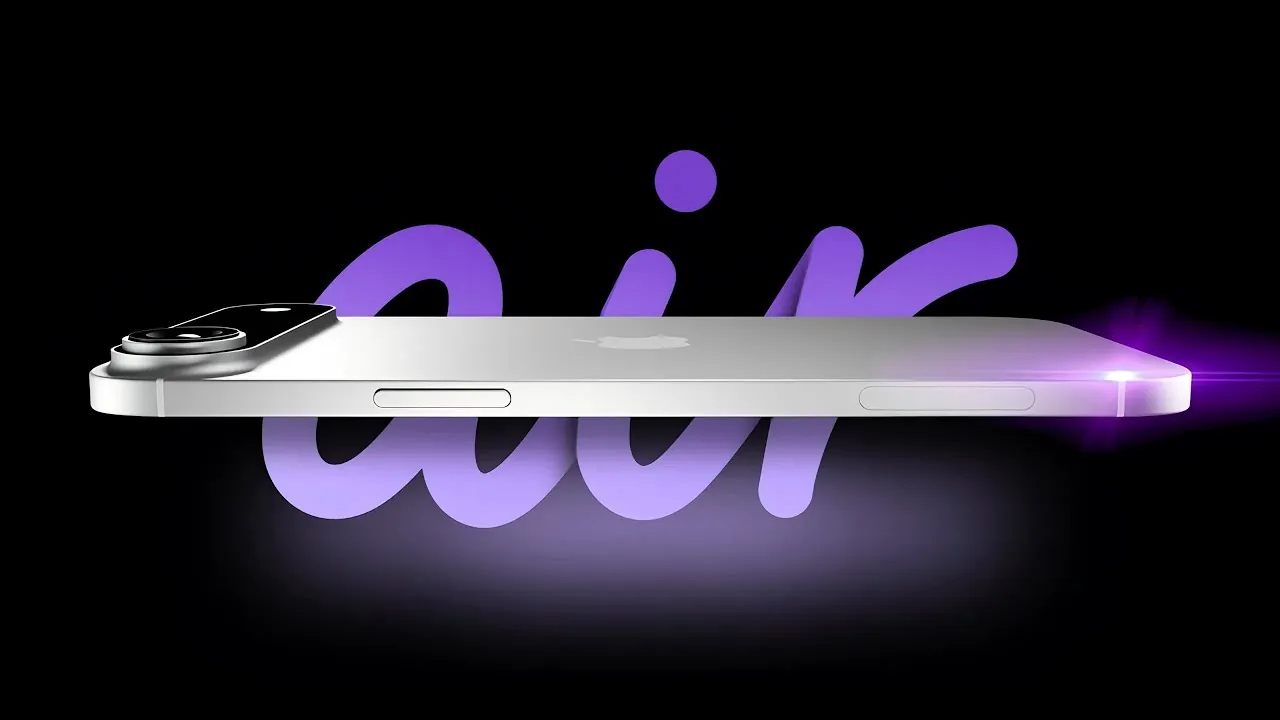
Apple is reportedly preparing to launch the iPhone 17 Air, a device that could reshape expectations in the smartphone industry with its remarkably ultra-thin design. At just 5.44mm thick, this model is set to become one of the slimmest smartphones ever produced, embodying Apple’s “Air” branding. However, this ambitious design raises questions about potential compromises in areas like battery life and advanced features. Below is an in-depth exploration of what this highly anticipated device might offer. The video below from Demon’s Tech gives us more details about the design of the iPhone 17 Air.

Innovative Ultra-Thin Design
The iPhone 17 Air is expected to establish a new standard for slim smartphones, surpassing competitors such as the Tecno Spark Slim (5.75mm) and Samsung Galaxy S25 Edge (5.84mm). With a thickness of just 5.44mm, it could claim the title of the thinnest flagship smartphone on the market. However, leaks suggest that the design may include a protruding camera bump, slightly increasing its overall depth. This focus on thinness reflects Apple’s dedication to portability and aesthetics, hallmarks of its “Air” product line.
Apple’s commitment to creating lightweight, visually appealing devices is evident in the iPhone 17 Air. The ultra-thin profile is likely to appeal to users who prioritize sleekness and portability in their smartphones. However, achieving such a slim design may involve trade-offs, particularly in terms of internal components and overall durability.
Battery Life: A Balancing Act
One of the most discussed aspects of the iPhone 17 Air is its rumored 3,000mAh battery, which is smaller than those found in many flagship devices. Apple is expected to rely on the efficiency of its A19 chip and advanced iOS power management systems to optimize battery performance. While these measures could help mitigate the reduced capacity, users may still experience shorter usage times compared to devices with larger batteries.
This trade-off underscores Apple’s prioritization of design over extended battery life. For users who value portability and aesthetics, the iPhone 17 Air’s battery performance may be sufficient. However, those who require longer usage times might find this aspect limiting. The device’s success in this area will largely depend on how well Apple’s software and hardware work together to maximize energy efficiency.
Display: Vibrant and Immersive
The iPhone 17 Air is rumored to feature a high-resolution display with a 1260×2740 pixel resolution and a 120Hz refresh rate. This combination promises smooth visuals and vibrant colors, enhancing activities such as streaming, gaming, and browsing. With an expected screen size between 6.5 and 6.7 inches, the device aims to deliver an immersive viewing experience while maintaining its ultra-thin profile.
Apple’s focus on display quality ensures that the iPhone 17 Air will cater to users who prioritize visual clarity and responsiveness. The inclusion of a 120Hz refresh rate is particularly noteworthy, as it enhances the fluidity of animations and interactions, making the device feel more responsive. This feature, combined with the device’s slim design, positions the iPhone 17 Air as a compelling option for media enthusiasts.
Performance and Hardware
Under the hood, the iPhone 17 Air is expected to be powered by Apple’s A19 chip, paired with 8GB of RAM. This configuration is designed to handle multitasking and demanding applications with ease, making sure a smooth user experience. Storage options are anticipated to start at 256GB, with a 512GB variant likely available for users who require additional space for apps, media, and files.
The A19 chip is rumored to focus on efficiency and performance, which could help offset the limitations of the smaller battery. This hardware setup suggests that the iPhone 17 Air will be capable of delivering a high level of performance, even within the constraints of its ultra-thin design. Users can expect a device that balances power and efficiency, making it suitable for a wide range of tasks.
Camera: Simplified Yet Capable
The iPhone 17 Air is rumored to feature a 48MP rear camera and a 24MP front-facing camera, offering competitive specifications for a device in its class. However, the camera system is expected to be more streamlined compared to Apple’s higher-end models. This simplified approach may appeal to users who prioritize portability and design over advanced photography features.
While the camera setup is likely to deliver high-quality images and videos, it may lack some of the advanced features found in Apple’s Pro models. For photography enthusiasts, this could be a drawback. However, for the average user, the iPhone 17 Air’s camera system should be more than adequate for everyday use, including capturing sharp photos and engaging in video calls.
Apple’s “Air” Philosophy
The iPhone 17 Air continues Apple’s tradition of emphasizing thin and lightweight designs, as seen in other “Air” products like the iPad Air and MacBook Air. This philosophy reflects consumer demand for devices that are easy to carry and visually appealing. By incorporating this design ethos into its smartphone lineup, Apple reinforces its commitment to balancing form and function.
This approach aligns with Apple’s broader strategy of creating products that are not only functional but also aesthetically pleasing. The iPhone 17 Air is a testament to this philosophy, offering a device that prioritizes design without completely sacrificing performance or usability. For users who value sleekness and portability, the iPhone 17 Air represents a compelling option.
Trade-Offs: Design vs. Functionality
While the ultra-thin design of the iPhone 17 Air is a technical achievement, it comes with potential compromises. The smaller battery capacity may limit usage time, and the simplified camera setup could lack some advanced features found in other flagship models. Additionally, the emphasis on aesthetics might restrict the inclusion of innovative technologies.
These trade-offs highlight the challenges of balancing sleek design with robust functionality in a competitive market. For users who prioritize portability and aesthetics, the iPhone 17 Air’s design may outweigh its limitations. However, for those who require extended battery life or advanced features, other options in Apple’s lineup may be more suitable.
Speculation and Launch Timeline
The iPhone 17 Air is expected to debut in September 2025, aligning with Apple’s annual release schedule. This launch will likely position the device as a contender in the premium smartphone market, appealing to users who value design and portability. As the smartphone landscape continues to evolve, the iPhone 17 Air will face stiff competition from other flagship devices, sparking discussions about the future of smartphone innovation.
The iPhone 17 represents Apple’s vision for the next generation of smartphones, emphasizing thinness, portability, and sleek aesthetics. While it may not match the battery life or advanced features of some competitors, its focus on efficiency and user experience could make it a compelling choice for design-conscious consumers. As its release approaches, the iPhone 17 Air is set to ignite debates about the delicate balance between design and functionality in modern smartphones.
Enhance your knowledge of ultra-thin smartphone design by exploring a selection of articles and guides on the subject.
- iPhone 17 Air: Ultra-Thin Design and What It Means for You
- Samsung Galaxy S25 Edge Launch: Specs, Design, and More
- iPhone 17 Air LEAKS: New Reports Speculate on Ultra-Thin Profile
- iPhone 17 Air Design and Features: A Minimalist Marvel Explained
- Samsung Galaxy S25 Ultra Leak: Stunning New Design Revealed
Source & Image Credit: Demon’s Tech
Disclosure: Some of our articles include affiliate links. If you buy something through one of these links, Geeky Gadgets may earn an affiliate commission. Learn about our Disclosure Policy.
