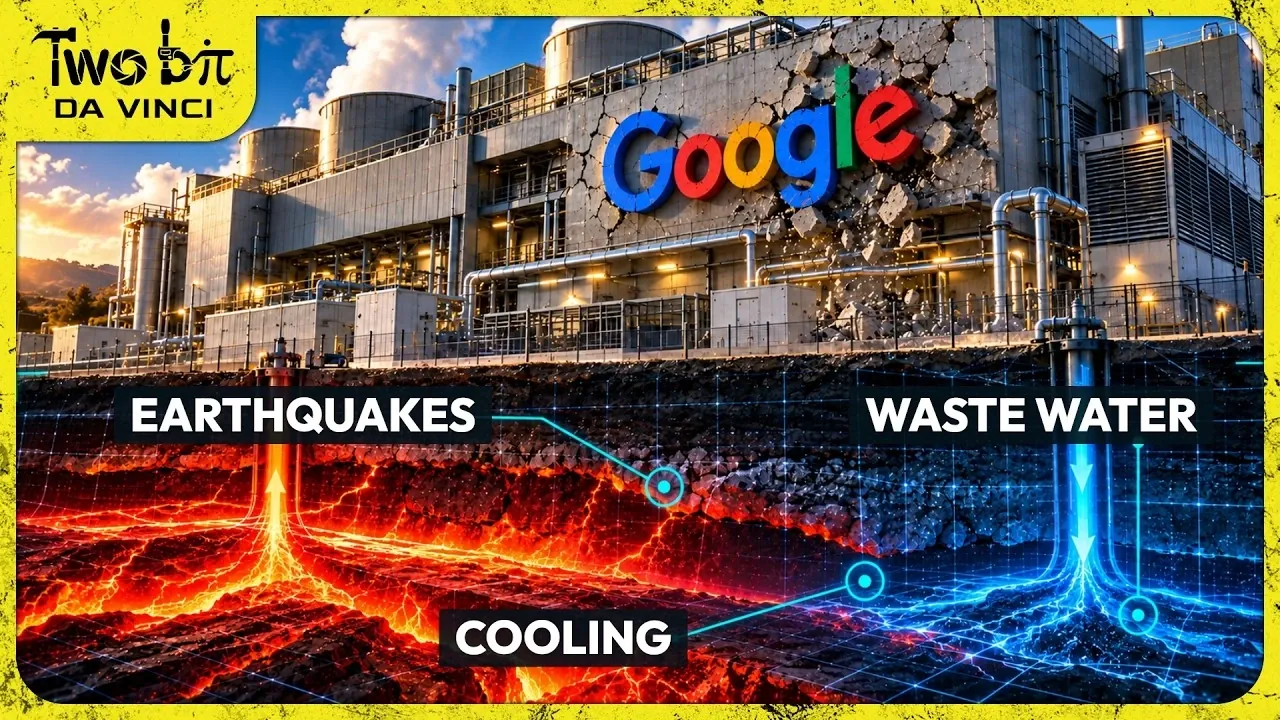
Google’s ambitious partnership with Fervo Energy to develop enhanced geothermal systems (EGS) has brought both promise and challenges to the forefront of renewable energy innovation. Unlike traditional geothermal methods, EGS relies on engineering conditions deep within hot rock formations, creating opportunities to expand geothermal energy production beyond naturally occurring reservoirs. However, as Two Bit da Vinci explains, operational setbacks such as thermal decline, water loss, and concerns over seismic activity have raised questions about the long-term feasibility of scaling this technology. These issues, compounded by a critical short-seller overview, underscore the complexity of balancing experimental advancements with practical execution.
In this guide, you’ll gain insight into the specific hurdles facing EGS, from the technical difficulties of maintaining consistent energy output to the environmental implications of water-intensive operations. Explore how challenges like induced seismicity and transparency concerns are shaping public perception and regulatory responses. Additionally, understand the broader implications for the renewable energy sector as EGS strives to compete with more established technologies like solar and wind. This breakdown offers a grounded look at the opportunities and risks tied to this evolving energy solution.
What is Enhanced Geothermal Technology?
TL;DR Key Takeaways :
- Enhanced geothermal systems (EGS) offer potential for sustainable, carbon-free energy but face significant challenges, including thermal decline, water loss and seismic risks.
- Fervo Energy’s flagship project, Project Red, has underperformed, delivering only 40-60% of its projected energy output due to operational inefficiencies.
- EGS differs from traditional geothermal energy by engineering conditions for energy production, expanding its applicability but introducing technical and environmental hurdles.
- A short-seller overview has raised concerns about Fervo Energy’s transparency, alleging data manipulation and downplaying of operational issues, which the company denies.
- For EGS to scale successfully, challenges like water management, seismic risk mitigation, energy output reliability and transparency must be addressed alongside economic and environmental considerations.
Enhanced geothermal systems differ fundamentally from traditional geothermal energy by creating the necessary conditions for energy production rather than relying solely on naturally occurring ones. Fervo Energy’s approach involves drilling deep into hot rock formations, artificially fracturing the rock and circulating water to extract heat. This heat is then converted into steam, which drives turbines to generate electricity.
Unlike conventional geothermal systems, which are geographically limited to areas with naturally occurring geothermal reservoirs, EGS aims to expand the applicability of geothermal energy by engineering these conditions in regions where natural geothermal resources are insufficient. This innovation could potentially unlock vast new areas for geothermal energy production, but it also introduces a range of technical and environmental challenges.
Key Operational Challenges
Despite its promise, enhanced geothermal technology faces several critical challenges that threaten its scalability and commercial viability. These include:
- Thermal Decline: Over time, the cooling of rock formations reduces energy output. For example, Fervo Energy’s flagship project, Project Red, has experienced a significant drop in thermal efficiency, which has hindered its ability to meet energy production targets.
- Water Loss: The process requires substantial water circulation, but Project Red has reported water losses of up to 25%, far exceeding industry expectations. This raises serious concerns about the sustainability of the system, particularly in water-scarce regions.
- Seismic Activity: Increased earthquake occurrences near project sites have been observed. While it remains unclear whether these are directly caused by geothermal operations or other geological factors, the potential for induced seismicity poses a risk to public safety and regulatory approval.
These operational challenges underscore the technical hurdles that must be addressed to make EGS a viable and scalable energy solution.

Here are additional guides from our expansive article library that you may find useful on energy.
- Proxima Fusion Plans the Alpha Stellarator for the Early 2030S
- Google Project Suncatcher Uses Space Solar Panels for AI
- MIT Says Energy-Storing Concrete Improves 10-fold by Switching to Organic Electrolyte
- Bloom Energy Server – Bloom Box Fuel Cell Gets Official
- Sun-Ways Installs 18 kW Removable Solar Panels on Train Tracks
- CATL Targets Lithium-Air Batteries for 1,000-Mile EV Range
- Apple Silicon AI Performance: Local Al on Apple Silicon Uses 7X Less RAM
- Apple Watch Ultra 4 Leak Reveals Redesign and Health Features
- Apple Announces the Apple Home Collection Smart Accessories
- Recent iPhone 18 Leaks Detail the Release Date and $899 Price
Performance Metrics and Industry Concerns
Fervo Energy’s Project Red has underperformed, delivering only 40-60% of its projected energy output. While Cape Station, a newer site, has demonstrated improvements in drilling efficiency and cost reductions, it faces similar risks of thermal decline and water loss. These inconsistencies highlight the difficulty of scaling EGS to meet commercial energy demands reliably.
Adding to these challenges, a short-seller overview has accused Fervo Energy of downplaying operational issues such as thermal decline, water loss and seismic risks. The overview also alleges that the company has manipulated data and presented overly optimistic projections to investors. Fervo Energy has denied these claims, attributing setbacks to the experimental nature of pilot projects and external factors. However, the allegations have raised broader concerns about transparency and accountability in the development of enhanced geothermal energy.
Broader Industry Context
Enhanced geothermal energy currently accounts for just 0.4% of U.S. energy production, reflecting its limited adoption compared to more established renewable technologies like solar and wind. While EGS holds promise as a clean and reliable energy source, the industry has historically struggled with similar challenges. Past projects have failed due to issues such as rock cooling, water leakage, and seismic risks. These recurring obstacles highlight the inherent difficulties of scaling geothermal energy to compete with other renewable energy technologies.
Future Challenges and Opportunities
For enhanced geothermal energy to achieve widespread adoption, several critical challenges must be addressed:
- Water Management: Reducing water loss is essential to ensure the long-term sustainability of EGS operations, particularly in regions where water resources are limited.
- Seismic Risk Mitigation: Developing effective strategies to minimize the risk of induced seismic activity is crucial for gaining public trust and securing regulatory approval.
- Energy Output Reliability: Improving the consistency and predictability of energy production will be key to attracting investors and building public confidence in the technology.
- Transparency and Accountability: Clear and accurate reporting of performance metrics is necessary to foster trust among stakeholders and ensure the credibility of the industry.
While the potential for clean, carbon-free energy remains compelling, significant technological advancements and rigorous validation will be required to overcome these obstacles. The success of EGS will depend on its ability to address these challenges while maintaining economic and environmental sustainability.
Economic and Environmental Considerations
On the economic front, advancements in drilling technology and cost reduction techniques offer hope for the feasibility of enhanced geothermal energy. However, the environmental challenges associated with EGS cannot be ignored. The significant water requirements and potential impacts on bedrock stability must be carefully managed to ensure the long-term viability of these projects. Striking a balance between economic efficiency and environmental sustainability will be critical for the future of EGS.
Moreover, as the industry seeks to scale, it will need to navigate a complex regulatory landscape. Public concerns about seismic risks and water usage could lead to stricter regulations, which may increase costs and delay project timelines. Addressing these concerns proactively through transparent communication and robust risk mitigation strategies will be essential for gaining public and regulatory support.
Path Forward for Enhanced Geothermal Energy
Google’s collaboration with Fervo Energy highlights both the potential and the challenges of enhanced geothermal technology. While it represents a promising pathway to clean, carbon-free energy, the technology is still in its early stages and faces significant hurdles. Addressing issues such as thermal decline, water loss, and seismic risks will be critical for its scalability and long-term success.
As the industry evolves, a combination of technological innovation, rigorous validation, and transparent reporting will be essential to unlock the full potential of this renewable energy source. Enhanced geothermal energy has the potential to play a significant role in the global transition to sustainable energy, but its success will depend on overcoming these challenges and demonstrating its reliability and scalability in real-world applications.
Media Credit: Two Bit da Vinci
Disclosure: Some of our articles include affiliate links. If you buy something through one of these links, Geeky Gadgets may earn an affiliate commission. Learn about our Disclosure Policy.
