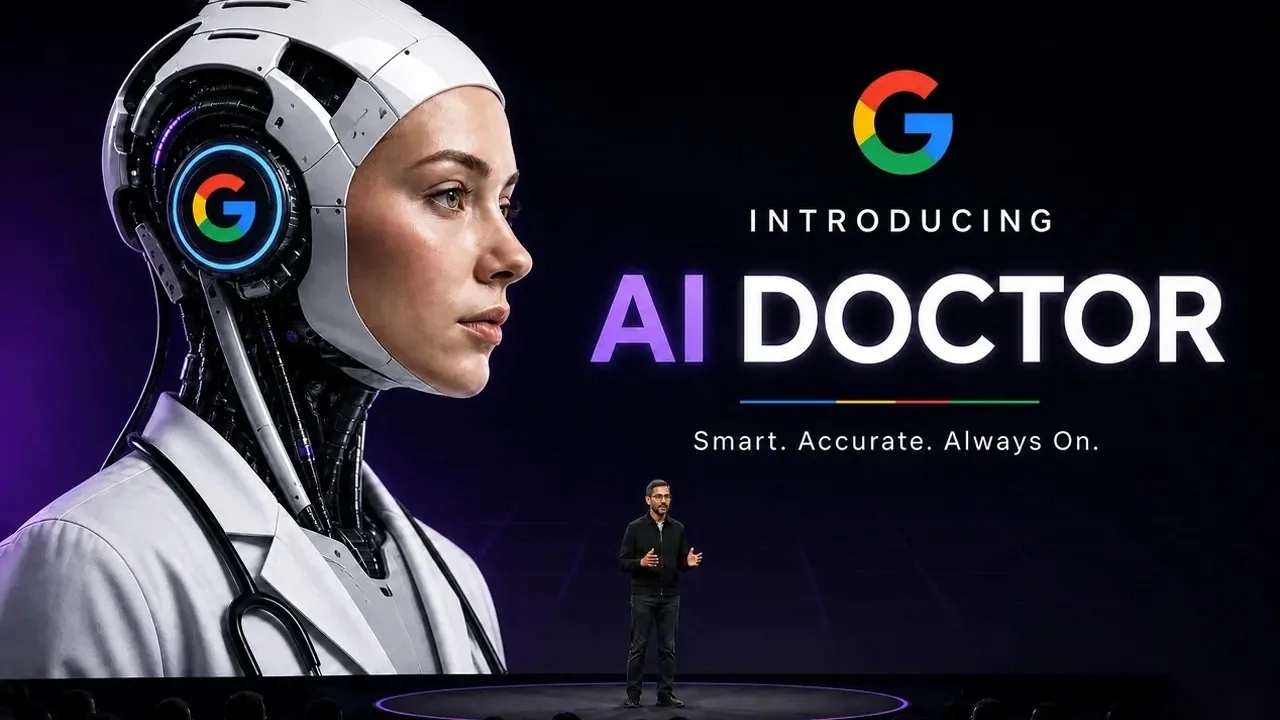
Google DeepMind’s AI Co-clinician is poised to reshape how medical consultations are conducted by combining advanced diagnostic reasoning with real-time video analysis. As highlighted by AI Grid, this system is designed to work alongside physicians, enhancing their ability to assess and address patient needs. For example, during a video-based physical exam, the AI can guide patients through specific movements to evaluate symptoms like shoulder pain or detect subtle indicators of rare conditions such as myasthenia gravis. By synthesizing observed data and providing tailored treatment recommendations, the AI Co-clinician aims to bridge gaps in traditional healthcare delivery without replacing the essential role of human doctors.
Explore how this AI system is being tested and applied in real-world scenarios, from identifying critical symptoms of acute pancreatitis to offering nuanced recommendations for chronic conditions. Gain insight into its ability to prioritize urgent medical issues, deliver accurate diagnostic insights and adapt to patient interactions in real time. This feature also examines areas where the technology excels, such as drug-related expertise, while addressing opportunities for further refinement to enhance its reliability in high-stakes environments.
Capabilities of the AI Co-clinician
TL;DR Key Takeaways :
- Google DeepMind’s AI Co-clinician is an advanced AI system designed to complement human physicians by enhancing doctor-patient interactions, offering real-time video-based exams, diagnostic reasoning and personalized treatment recommendations.
- The system excels in real-time video analysis, identifying subtle physical symptoms, providing accurate diagnostic insights and tailoring treatment recommendations to individual patient needs.
- Extensive testing shows high accuracy, with zero critical errors in 97 out of 98 primary care queries and consultation skills comparable to or exceeding those of human physicians in 68 out of 140 assessed areas.
- Real-world applications include diagnosing conditions like myasthenia gravis, guiding emergency care for acute pancreatitis and recommending treatments for rotator cuff injuries, showcasing its adaptability and precision.
- While the AI Co-clinician offers fantastic potential in healthcare, further refinement is needed in handling high-stakes cases and making sure broader adoption in clinical settings, emphasizing collaboration with medical professionals.
The AI Co-clinician is equipped with a range of sophisticated features that enhance its ability to assist in medical consultations. These capabilities include:
- Real-time video analysis: The system can assess patient movements and physical symptoms during video-based exams, identifying subtle signs of medical conditions that might otherwise go unnoticed.
- Diagnostic reasoning: It guides patients through examinations, refines its assessments based on observed data and provides accurate diagnostic insights.
- Personalized treatment recommendations: The AI tailors its advice to individual cases, making sure that patients receive care suited to their specific needs.
- Triage for serious conditions: It can effectively prioritize urgent medical issues, helping patients seek timely care when necessary.
For example, the AI Co-clinician can evaluate shoulder pain by guiding patients through specific movements, detect symptoms of rare conditions like myasthenia gravis through nuanced observations and recommend appropriate next steps. Its ability to adapt to patient interactions ensures a more personalized and effective consultation experience, bridging gaps in traditional healthcare delivery.
Performance and Testing
Extensive testing has demonstrated the reliability and precision of the AI Co-clinician. Comparative trials have shown that it consistently outperforms existing clinician-facing tools and other AI models, such as GPT-5.4. Key findings from these trials include:
- High accuracy: The system achieved zero critical errors in 97 out of 98 primary care queries, showcasing its ability to handle complex medical scenarios with precision.
- Drug-related expertise: It excelled in addressing open-ended medication questions, providing clear and accurate responses.
- Comparable to human physicians: In 68 out of 140 assessed areas, the AI demonstrated consultation skills on par with or exceeding those of primary care doctors, including empathy, bedside manner and diagnostic reasoning.
These results underscore the system’s potential to complement human expertise, particularly in areas where medical resources are limited. Its ability to synthesize evidence and provide reliable recommendations makes it a valuable tool for both patients and healthcare providers.

Find more information on Google DeepMind by browsing our extensive range of articles, guides and tutorials.
- Project Genie Tutorial : Real-Time World Building for Beginners
- Genie 3 AI by DeepMind : Creates Gaming Worlds in Real Time
- How Google’s 10-Dimension Taxonomy Redefines AGI Testing
- Genie 3: Google DeepMind’s AI World Generator Explained
- OpenAI Prepares ChatGPT 5.5 Release
- Claude Mythos Leak & Anthropic Release Delay Explained
- Google DeepMind CEO Demis Hassabis Unveils AGI Roadmap
- Google DeepMind’s Gemini 3.0 Pro: Features, Benefits and Impact
- AI and Quantum Computing: Applications and Future Potential
- Gemini 3 and Deep Agents: Research Workflow Guide for 2026
Real-World Applications
The AI Co-clinician has already demonstrated its practical utility in various real-world scenarios. Case studies highlight its ability to address a wide range of medical conditions with precision and adaptability:
- Acute pancreatitis: The system guided a patient through a physical exam, identified critical symptoms and recommended emergency care, making sure timely intervention.
- Myasthenia gravis detection: It recognized subtle signs such as eyelid drooping and double vision, leading to accurate diagnostic reasoning and appropriate follow-up care.
- Rotator cuff injury: By assessing shoulder pain through guided movements, the AI recommended conservative treatment and flagged the need for further testing if symptoms persisted.
These examples illustrate the AI’s ability to handle both acute emergencies and chronic conditions, offering tailored recommendations that align with individual patient needs. Its real-time adaptability and evidence-based approach make it a powerful tool in diverse healthcare settings.
Strengths and Opportunities for Improvement
The AI Co-clinician offers several strengths that position it as a valuable addition to the healthcare landscape:
- Advanced video processing: Its ability to analyze real-time video enhances the accuracy and depth of physical exams.
- Diagnostic reasoning: The system synthesizes complex medical data to provide nuanced and reliable recommendations.
- Adaptability: It adjusts its approach based on patient interactions, making sure that care is personalized and effective.
Despite these strengths, there are areas where the system could benefit from further refinement. For instance, it requires improvement in detecting red flags during high-stakes exams and guiding critical cases with greater precision. Addressing these limitations will be essential for its broader adoption in clinical settings, particularly in high-pressure environments where accuracy and speed are paramount.
Implications for the Future of Healthcare
The AI Co-clinician represents a significant step forward in the integration of AI into healthcare. Its ability to handle complex medical queries, provide empathetic and accurate recommendations and support physicians in delivering high-quality care positions it as a fantastic tool in the medical field. By addressing gaps in healthcare delivery, particularly in underserved areas, the AI Co-clinician has the potential to improve access to medical expertise and enhance patient outcomes.
However, it is crucial to emphasize that the system is designed to support, not replace, human physicians. Collaboration between AI developers and medical professionals will be critical to making sure the system’s safe and effective implementation. As the technology continues to evolve, ongoing research and testing will be necessary to refine its capabilities and address any limitations.
Looking Ahead
Google DeepMind’s AI Co-clinician offers a promising glimpse into the future of healthcare, where AI and human expertise work together to improve patient care. Its rigorous testing, advanced capabilities and real-world applications demonstrate its potential to transform medical consultations and enhance healthcare delivery. While challenges remain, the continued development and refinement of this technology could pave the way for a more efficient, accessible and patient-centered healthcare system.
Media Credit: TheAIGRID
Disclosure: Some of our articles include affiliate links. If you buy something through one of these links, Geeky Gadgets may earn an affiliate commission. Learn about our Disclosure Policy.
