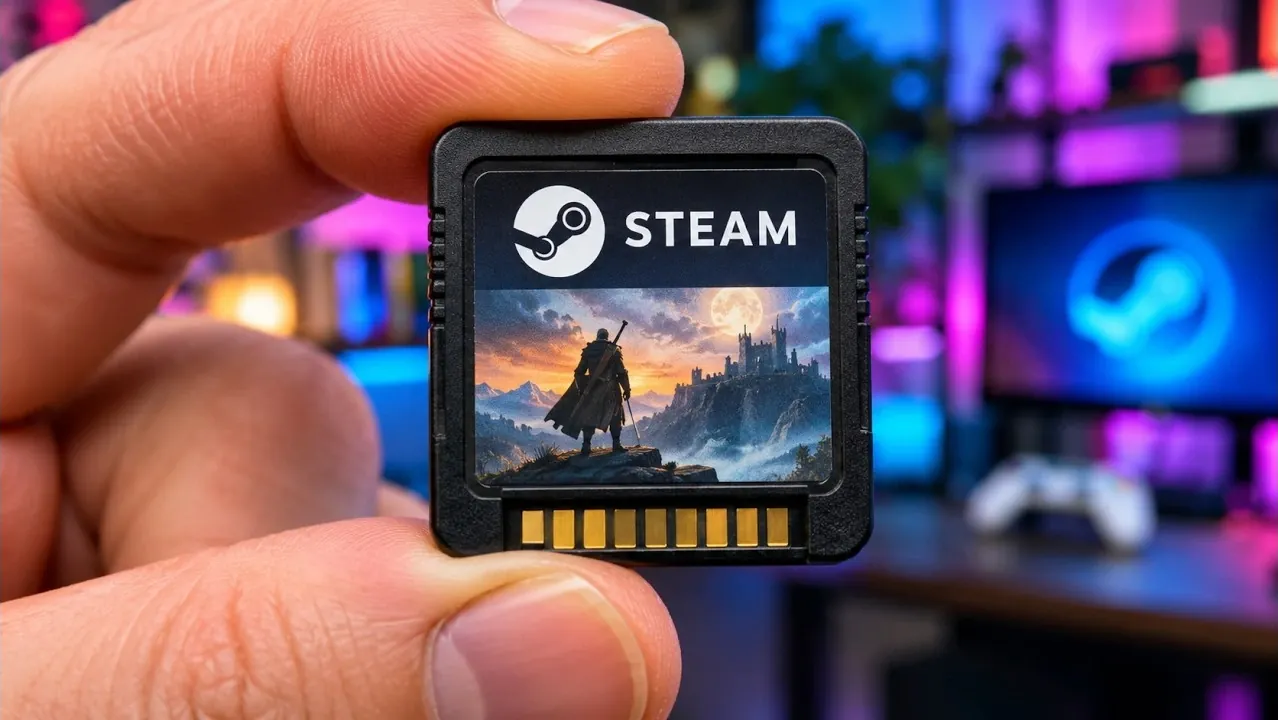
Physical PC games are experiencing a surprising resurgence, carving out a niche in an industry dominated by digital downloads. Deck Ready explores how platforms like GOG are leading this revival by offering physical editions of popular titles, complete with extras like manuals, stickers and collectibles. These editions not only appeal to nostalgia but also provide practical benefits, such as DRM-free files that allow gamers to create their own backups. This shift reflects a growing interest in ownership and preservation, as players seek ways to safeguard their collections in an increasingly digital-first world.
Discover how this trend is shaping the gaming landscape. You’ll gain insight into the role of platforms like GOG in game preservation, the appeal of physical media for collectors and how advancements in portable gaming devices like the Steam Deck are influencing this movement. Whether you’re drawn to the tactile satisfaction of physical games or curious about the intersection of nostalgia and modern gaming, this breakdown offers a thoughtful look at the evolving relationship between gamers and their collections.
Why Physical PC Games Are Returning
TL;DR Key Takeaways :
- The resurgence of physical PC games is driven by nostalgia, ownership and preservation, with platforms like GOG leading the charge by offering DRM-free files and collectible physical editions.
- GOG plays a pivotal role in game preservation, empowering players to legally own and back up their games, making sure long-term accessibility and safeguarding gaming history.
- The Steam Deck redefines portable gaming with powerful performance, extensive customization options via tools like DeckiHub and the ability to handle demanding titles like those developed on Unreal Engine 5.
- Cross-device synchronization on platforms like Steam OS enhances gaming convenience, allowing seamless transitions between devices without losing progress.
- The gaming industry’s evolution reflects a balance between nostalgia for physical media and the innovation of modern technology, shaping the future of gaming experiences and preservation efforts.
The return of physical PC games is fueled by several factors, including initiatives from platforms like GOG, which has made significant strides in offering physical editions of popular titles. These editions often include extras such as manuals, stickers and collectibles, appealing to gamers who enjoy the tactile satisfaction of owning a game. Beyond the nostalgia factor, GOG provides DRM-free files, allowing users to create their own physical backups on discs, USB drives, or SD cards. This ensures long-term access to their games without relying on online platforms or cloud services.
The growing interest in physical formats could encourage other platforms, such as Steam, to explore similar offerings. As gamers increasingly seek ways to preserve their collections, physical media serves as a bridge between the nostalgic appeal of the past and the convenience of modern gaming. This trend highlights a shift in consumer priorities, emphasizing the importance of ownership and preservation in an era dominated by digital downloads.
GOG’s Role in Game Preservation
GOG has emerged as a leader in game preservation, particularly after its separation from CD Projekt Red. By offering DRM-free games, GOG enables players to legally own and back up their purchases without depending solely on cloud storage or online services. This approach not only safeguards gaming history but also gives players greater control over their collections, making sure they remain accessible for years to come.
For many gamers, the appeal of physical media lies in its connection to the golden age of gaming, when boxed PC games came with detailed manuals, unique artwork and other tangible elements. GOG’s efforts to revive these experiences resonate with collectors, preservationists and those who appreciate the tactile aspects of gaming culture. By bridging the gap between past and present, GOG is helping to keep the legacy of physical gaming alive in a digital-first world.

Enhance your knowledge on gaming PC by exploring a selection of articles and guides on the subject.
- SteamOS Hits 78 FPS in Cyberpunk 2077 on the GPD Win Max 3
- $1,300 ROG Xbox Ally X20 Adds an OLED but Keeps the Z2 Extreme
- Intel Panther Lake Handheld PCs Expected at $599 To $799
- Build a $540 1440P Gaming PC to Beat Steam Machine
- Lenovo Legion Go SteamOS Hands-on Testing Reveals Strong AAA Gaming
- World’s First Low Profile RX 9060 XT Packs 16GB VRAM for SFF PCs
- Cooler Master HAF X PC Case
- Build the Ultimate All AMD Steam OS Gaming PC with Bazzite OS
- AYANEO Pocket EVO Review: Features, Specs and Gaming Performance
- Build a Budget 1440p Gaming PC for under $350
Steam Deck: Redefining Portable Gaming
The Steam Deck has redefined portable gaming, offering a powerful and customizable platform for gamers on the move. One of its standout features is the Decki app, which simplifies plugin management on Steam OS devices. Recently, the introduction of DeckiHub has further streamlined this process. By integrating with GitHub, DeckiHub allows users to browse, install and update plugins directly within the interface, making customization more accessible than ever.
This simplified approach reduces technical barriers, allowing gamers to optimize performance, add new features, or experiment with plugins. Whether you’re a casual player or a tech-savvy enthusiast, the Steam Deck’s customization options enhance the overall gaming experience. Its ability to handle demanding titles while maintaining portability makes it a versatile choice for gamers seeking high-quality experiences without being tied to a stationary setup.
Unreal Engine 5 on Portable Devices
The Steam Deck’s capabilities are particularly evident when running demanding titles developed using Unreal Engine 5, such as Silent Hill F. With optimized settings, the game performs smoothly on the portable device, delivering an immersive experience comparable to traditional gaming setups. Silent Hill F introduces challenging combat mechanics and a unique sanity system, offering a fresh perspective on the survival horror genre.
While the game’s artistic direction has sparked mixed reactions, its technical performance on the Steam Deck demonstrates the potential of portable devices to handle innovative games. This versatility underscores the Steam Deck’s appeal as a platform that combines power, portability, and customization, making it a compelling option for gamers who want to experience the latest titles without compromising on quality.
Cross-Device Gaming: A Seamless Experience
Modern gaming has embraced cross-device synchronization, and Steam OS exemplifies this with its seamless save-syncing feature. This functionality allows you to switch effortlessly between your Steam Deck and other devices, making sure you never lose progress. Whether you’re gaming at home or on the go, you can pick up right where you left off without any interruptions.
For gamers who prioritize convenience and flexibility, cross-device synchronization eliminates the hassle of manual save transfers and provides a consistent experience across platforms. This feature enhances accessibility and ensures that your gaming experience remains smooth and enjoyable, regardless of where or how you choose to play.
The Evolving Gaming Landscape
The resurgence of physical PC games, combined with advancements in portable gaming and customization, reflects the evolving preferences of today’s gamers. Platforms like GOG are championing game preservation, offering tangible solutions for those who value ownership and history. Meanwhile, the Steam Deck continues to push the boundaries of portable gaming, delivering high-performance experiences and innovative customization options.
These developments highlight the enduring appeal of physical media and the exciting potential of modern technology to redefine how we play. As the gaming industry continues to evolve, the balance between nostalgia and innovation will shape the future of gaming, offering players more ways to connect with their favorite titles and preserve their gaming heritage.
Media Credit: Deck Ready
Disclosure: Some of our articles include affiliate links. If you buy something through one of these links, Geeky Gadgets may earn an affiliate commission. Learn about our Disclosure Policy.
