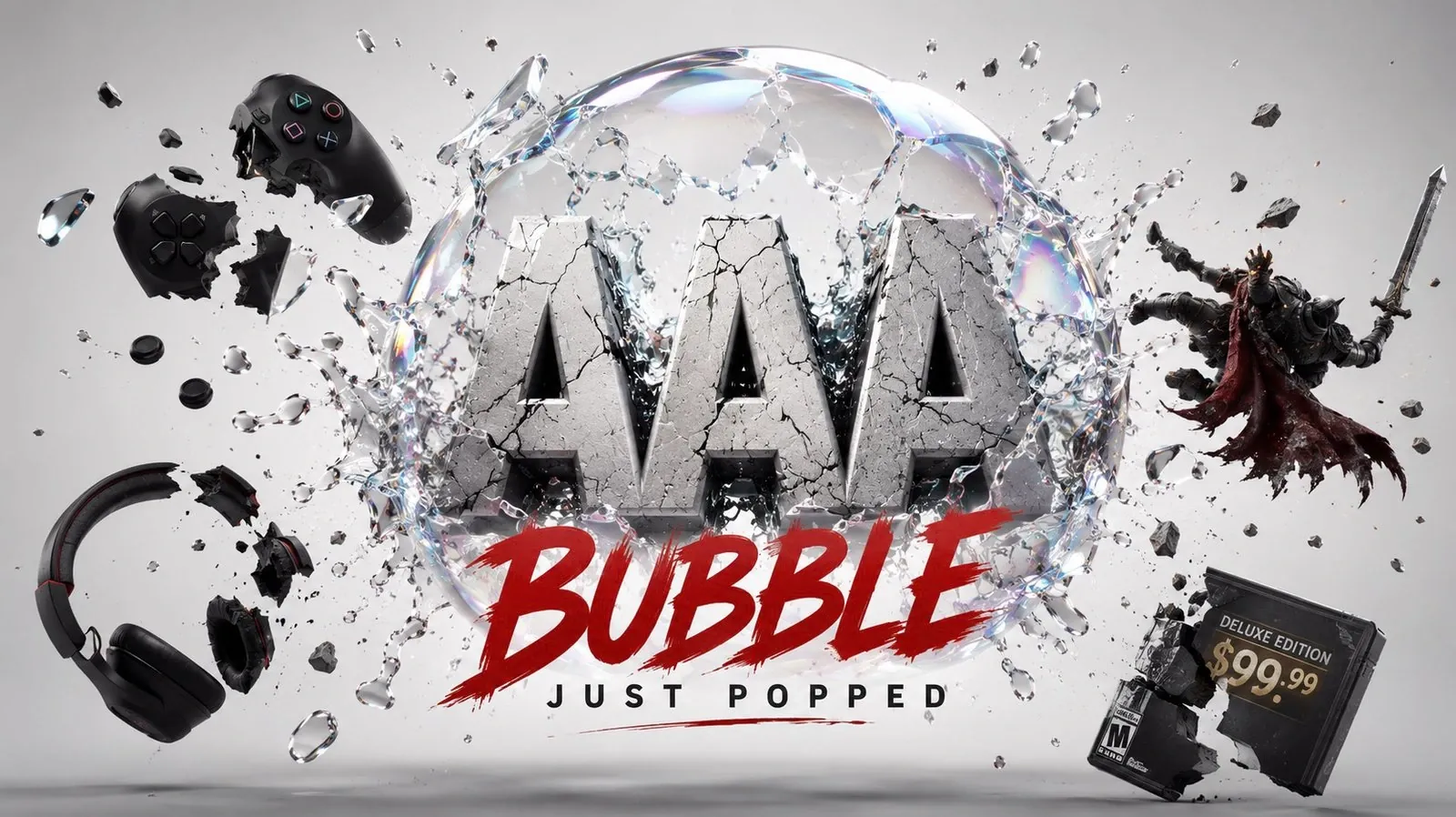
The AAA gaming industry, long defined by its blockbuster titles and massive budgets, is facing a critical moment of recalibration. According to ENDYMIONtv, a combination of declining console sales, skyrocketing development costs and shifting consumer preferences has created a perfect storm for the sector. For instance, Sony’s PlayStation 5 has seen a staggering 58% drop in unit sales year-over-year, reflecting a broader trend of waning interest in traditional hardware. These pressures are forcing major players like Sony, Microsoft and Nintendo to rethink their strategies, raising questions about the future viability of the AAA model.
In this overview, you’ll gain insight into how these challenges are reshaping the gaming landscape. Explore the rising costs of game development and their impact on creativity, the growing appeal of alternative platforms like cloud gaming and the potential consequences of a shrinking player base. Whether you’re a casual gamer or a dedicated enthusiast, understanding these shifts will help you navigate a rapidly evolving industry and anticipate what lies ahead for the games you love.
Declining Console Sales Reflect Changing Consumer Behavior
TL;DR Key Takeaways :
- Gaming console sales are declining, with Sony’s PS5 and Microsoft’s Xbox experiencing significant drops, as players shift toward PCs and cloud gaming for better value and flexibility.
- Rising hardware and software costs, driven by supply chain issues and increased production expenses, are making gaming less accessible, especially for newcomers and budget-conscious players.
- The future of console generations is uncertain, with companies like Sony exploring hybrid designs, but economic pressures and market saturation raise questions about their viability.
- AAA game development faces mounting challenges, including longer production timelines, higher budgets and creative stagnation, leading to fewer innovative releases and increased reliance on established franchises.
- Nintendo stands out as a resilient player in the industry, using hybrid gaming and a strong library of exclusives, offering gamers a more affordable and reliable alternative amid industry challenges.
The once-thriving market for gaming consoles is now showing signs of fatigue. Sony’s PlayStation 5, which initially captured global attention, is experiencing its lowest sales figures in 25 years. Spending on PS5 hardware has dropped by an alarming 43% year-over-year, with unit sales plummeting by 58%. Similarly, Microsoft’s Xbox has reported its weakest console sales in history.
This decline signals a broader shift in consumer preferences. Many are questioning the value of investing in expensive, traditional gaming consoles when alternative platforms such as PCs and cloud gaming services are becoming increasingly accessible. These alternatives offer greater flexibility and often better long-term value, making them appealing to a growing segment of gamers. For you, this means the traditional console model may no longer be the default choice for immersive gaming experiences.
Rising Costs Are Reshaping Accessibility
The rising costs of gaming hardware and software are creating significant barriers for players. The global increase in the price of memory chips, coupled with persistent supply chain disruptions, has forced companies like Sony and Microsoft to raise console prices worldwide. Even handheld devices, such as Valve’s Steam Deck, have not been immune to these price hikes, further limiting accessibility.
Beyond hardware, software prices are also climbing. AAA games now routinely launch with price tags that exceed previous norms, placing additional financial strain on players. For many, these rising costs are making gaming less accessible, particularly for newcomers or those on tighter budgets. As a gamer, you may find yourself relying more on discounts, subscription services, or revisiting older titles to manage expenses.

Gain further expertise in PlayStation 5 by checking out these recommendations.
- Why Valve’s New Steam Machine Could Outperform the PS5 in Your Living Room
- What Sony’s Massive PlayStation 5 Price Hike Means for the PlayStation 6
- Modders Discovered a Secret Timer Inside Every PS5 Console
- Why Your PS5 Games Might Stop Working Offline After March 2026
- More Details on the Sony PS5 Pro Console (Video)
- How Security Flaws and Price Hikes Are Testing PlayStation Loyalty
- Why Your PS5 Digital Games Might Suddenly Stop Working Offline
- Why Valve’s New Steam Machine Is Taking Direct Aim at the PS5
- PlayStation’s Bungie Acquisition: How the Deal Turned Against Sony
- Biggest Game Reveals from PlayStation’s 2026 State of Play
The Future of Console Generations: Adaptation or Obsolescence?
Looking ahead, the next generation of consoles is already on the horizon. Sony has announced plans to release the PlayStation 6 in 2027, with early reports suggesting it may adopt a hybrid design similar to the Nintendo Switch. This approach, blending portability with traditional console power, could appeal to gamers seeking greater flexibility. However, concerns about affordability and market saturation persist.
The question remains: can the industry sustain another console generation? With economic pressures mounting and consumer spending tightening, the viability of hardware-focused gaming is increasingly uncertain. For you, this could mean fewer options and a shift toward alternative platforms that prioritize affordability and convenience.
AAA Game Development Faces Mounting Pressures
The challenges confronting the gaming industry extend beyond hardware. AAA game development has become a high-stakes endeavor, with production timelines stretching to five to seven years and budgets reaching unprecedented levels. This has led to a wave of studio closures and game cancellations, particularly for live-service titles that fail to meet expectations.
For players, this translates to fewer new releases and a growing sense of creative stagnation. Developers, under immense pressure to deliver blockbuster hits, are increasingly risk-averse, often relying on established franchises rather than exploring new ideas. As a gamer, you may notice a lack of innovation and diversity in the types of games being released, as studios prioritize financial security over creative experimentation.
Is the Industry Heading Toward a Market Crash?
The current trajectory of the gaming industry raises concerns about its long-term sustainability. Unsustainable business practices, rising costs and a shrinking player base could lead to stagnation or even a market crash. For you, this might result in fewer innovative games and a shift toward safer, less ambitious projects that prioritize profitability over quality.
The growing reliance on live-service models, which often emphasize monetization at the expense of gameplay quality, has further eroded consumer trust. If these trends persist, the gaming ecosystem could face significant upheaval, leaving players with fewer options and less value for their investment.
Nintendo’s Resilience Amid Industry Challenges
Amid the turbulence, Nintendo has emerged as a rare bright spot. Its focus on hybrid gaming and a loyal handheld audience has allowed it to weather the storm more effectively than its competitors. Devices like the Nintendo Switch continue to perform well, thanks to their versatility and a robust library of exclusive titles.
For gamers seeking an affordable and reliable experience, Nintendo remains a compelling option. Its ability to adapt to changing market conditions offers a potential blueprint for resilience in an uncertain industry. As a player, you may find Nintendo’s approach to be a refreshing alternative to the challenges facing other major companies.
The Impact on Gamers and the Path Forward
As a gamer, you are likely feeling the ripple effects of these industry-wide challenges. Higher hardware and software costs are making gaming less accessible, particularly for newcomers. Many players are turning to their existing digital libraries, revisiting older titles instead of investing in new hardware or games. This shift underscores the importance of preserving and expanding access to digital game libraries, making sure that players can continue to enjoy their favorite titles without significant financial barriers.
One potential bright spot on the horizon is the highly anticipated release of Grand Theft Auto 6. Expected to drive significant console sales, particularly for Sony, the game could inject much-needed energy into the market. However, while GTA 6 may offer a temporary boost, it is unlikely to address the deeper systemic issues facing the industry.
The gaming industry is at a crossroads. To ensure its long-term sustainability, companies must address these systemic challenges head-on. For players, this means advocating for more affordable, consumer-friendly practices and making the most of existing content. By staying informed and engaged, you can play a crucial role in shaping the future of gaming, making sure it remains accessible, innovative and enjoyable for years to come.
Media Credit: ENDYMIONtv
Disclosure: Some of our articles include affiliate links. If you buy something through one of these links, Geeky Gadgets may earn an affiliate commission. Learn about our Disclosure Policy.
