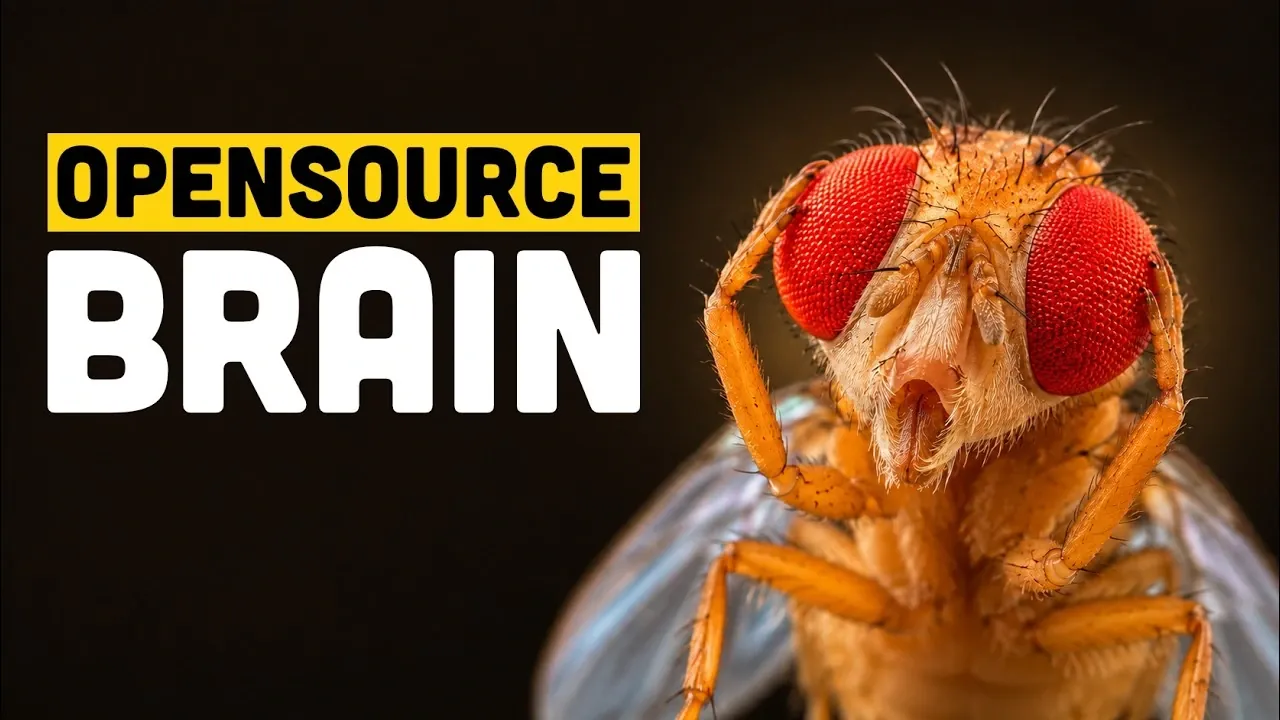
Google, in partnership with the Janelia Research Campus, has unveiled an open source connectome of a male fruit fly’s brain and nerve cord, offering a detailed neural map that includes 166,000 neurons and 125 million synaptic connections. This dataset, created using advanced electron microscopy and ultra-thin slicing techniques, provides a static blueprint of the fruit fly’s brain structure. While it does not capture dynamic neural activity, it serves as a foundational resource for studying how neural circuits are organized. Better Stack highlights how this achievement underscores the potential of open data to accelerate scientific research and foster cross-disciplinary collaboration.
Explore how this connectome can be accessed through platforms like Neuroglancer, which enables 3D visualization of the neural architecture, or Neuroprint, which supports raw image analysis. Gain insight into how researchers are using this data to simulate neural circuits, investigate behaviors like decision-making and even integrate neural models into creative projects such as video game simulations. The overview also examines the broader implications for neuroscience and the challenges of scaling these methods to more complex brains.
Google Open-Source Fruit Fly Brain
TL;DR Key Takeaways :
- Google and Janelia Research Campus released an open source connectome of a male fruit fly’s brain, mapping 166,000 neurons and 125 million synaptic connections, marking a major milestone in neuroscience.
- The connectome was created using advanced electron microscopy and slicing techniques, providing a detailed structural map but not capturing dynamic brain functions or sentience.
- The dataset is accessible via platforms like Neuroglancer and Neuroprint, offering tools for 3D visualization, raw image exploration and connectivity analysis, with programming support in Python and R.
- Applications span neuroscience, behavioral studies and creative technology, allowing simulations of neural circuits and fly behavior in virtual environments like video games.
- This initiative underscores the potential of open data to accelerate scientific progress, inspire interdisciplinary collaboration and pave the way for mapping more complex brains in the future.
What is the Connectome?
The connectome is a comprehensive neural map of the male fruit fly’s brain and nerve cord, consisting of:
- 166,000 neurons
- 125 million synaptic connections
This intricate map was created using innovative electron microscopy and ultra-thin slicing techniques, allowing researchers to visualize the brain’s architecture at an unprecedented level of detail. The connectome provides a static representation of the brain’s structural layout, focusing on the physical organization of neurons and synapses. However, it is important to note that it does not capture dynamic processes such as functional activity or sentience. Instead, it serves as a foundational resource for understanding how neural circuits are organized.
How to Access and Use the Data
To ensure broad accessibility, the connectome dataset is hosted on platforms such as Neuroglancer and Neuroprint. These tools allow users to:
- Visualize the connectome in three dimensions, offering an immersive view of the neural architecture
- Explore raw image volumes for detailed examination of the brain’s structure
- Analyze connectivity tables to study the relationships between neurons
For researchers and developers, programming packages in Python and R are available to assist data analysis and integration into custom workflows. By adopting an open-data approach, this initiative encourages collaboration across disciplines, empowering experts to use the dataset for diverse applications. The availability of these tools ensures that the connectome can be used not only for academic research but also for technological and creative projects.

Discover other guides from our vast content that could be of interest on Google.
- Google Pixel 11 Pro Teaser Unveils the Pixel Glow Camera Bar
- Why Google Just Split Antigravity 2.0 Into Two Separate Apps
- 55% Charge in 5 Minutes: New Google Pixel 11 Pro XL Leak
- Google Pixel 11 Pro vs Google Pixel 10 Pro: Expected Updates
- Why the Google Pixel 11 Could Be the Ultimate Smartphone Comeback
- Google Pixel 11 Pro XL Leak Reveals a Major Design Change to the Camera Bar
- Sneak Peek at the Unconfirmed Google Pixel 11 Pro Smartphone
- Google Rebrands NotebookLM to Gemini Notebook with Drive Sync
- Massive Google Pixel 11 Leak Reveals Every Major Specification
- Leaked Google Pixel 11 Pro XL Renders Show a Radical Camera Bar Redesign
Applications Across Disciplines
The fruit fly connectome has sparked interest across multiple fields, offering opportunities for scientific discovery and innovative applications:
- Neuroscience Research: Simulate neural circuits to study behaviors such as courtship, aggression and sex-specific differences, providing insights into how neural networks influence behavior.
- Behavioral Studies: Investigate the relationship between neural circuits and specific actions, shedding light on the mechanisms underlying decision-making and responses to stimuli.
- Creative Technology: Use neural models derived from the connectome to simulate fly behavior in virtual environments, including video games like Minecraft and Doom, blending science with entertainment.
While these applications are promising, it is essential to recognize their limitations. The connectome provides a structural framework, but it cannot fully replicate the complexity of neural functions or behaviors. Nevertheless, it serves as a valuable tool for exploring the principles of neural connectivity and their potential applications.
Broader Implications for Science and Technology
The release of the fruit fly connectome marks a significant step forward in understanding neural connectivity. This dataset provides a foundation for validating findings from previous biological experiments and exploring new hypotheses. By studying the fruit fly brain, researchers can:
- Examine individual variability within a species, offering insights into how neural structures differ between individuals
- Investigate the influence of neural circuits on behavior, paving the way for a deeper understanding of brain function
The project also sets the stage for expanding connectome mapping to other species, such as zebrafish and mice. These advancements could provide critical insights into the neural mechanisms underlying behavior and cognition. As the field progresses, the methodologies developed for the fruit fly connectome may inform efforts to map more complex brains, including those of mammals.
Challenges and Future Directions
Despite the remarkable achievement of mapping the fruit fly connectome, the prospect of creating a human connectome remains a formidable challenge. The human brain, with its approximately 86 billion neurons and trillions of synaptic connections, is vastly more complex than the fruit fly brain. Current technologies are not yet capable of capturing this level of detail on a human scale. However, the fruit fly connectome serves as a critical stepping stone, demonstrating the feasibility of large-scale brain mapping and inspiring further innovation.
Future directions in this field may include:
- Developing more advanced imaging and data processing techniques to handle larger and more complex datasets
- Expanding connectome mapping to additional species to build comparative models of brain function
- Integrating structural data with functional studies to create a more comprehensive understanding of neural activity
These efforts will require sustained collaboration among neuroscientists, technologists and data scientists. By building on the foundation established by the fruit fly connectome, researchers may one day achieve the ambitious goal of mapping the human brain.
The Significance of Open Data in Neuroscience
Google’s decision to open source the fruit fly connectome highlights the fantastic potential of open data in advancing science and technology. By making this dataset freely available, the project fosters a spirit of collaboration and innovation, allowing researchers and developers to explore new frontiers in neuroscience. The tools and resources provided ensure that the connectome can be used for a wide range of applications, from academic research to creative experimentation.
As the field of connectomics evolves, the insights gained from this initiative could lead to breakthroughs in understanding neural circuits, developing brain-inspired technologies and advancing brain mapping methodologies. The fruit fly connectome is not just a milestone in neuroscience, it is a testament to the power of open data to drive progress and inspire discovery.
Media Credit: Better Stack
Disclosure: Some of our articles include affiliate links. If you buy something through one of these links, Geeky Gadgets may earn an affiliate commission. Learn about our Disclosure Policy.
