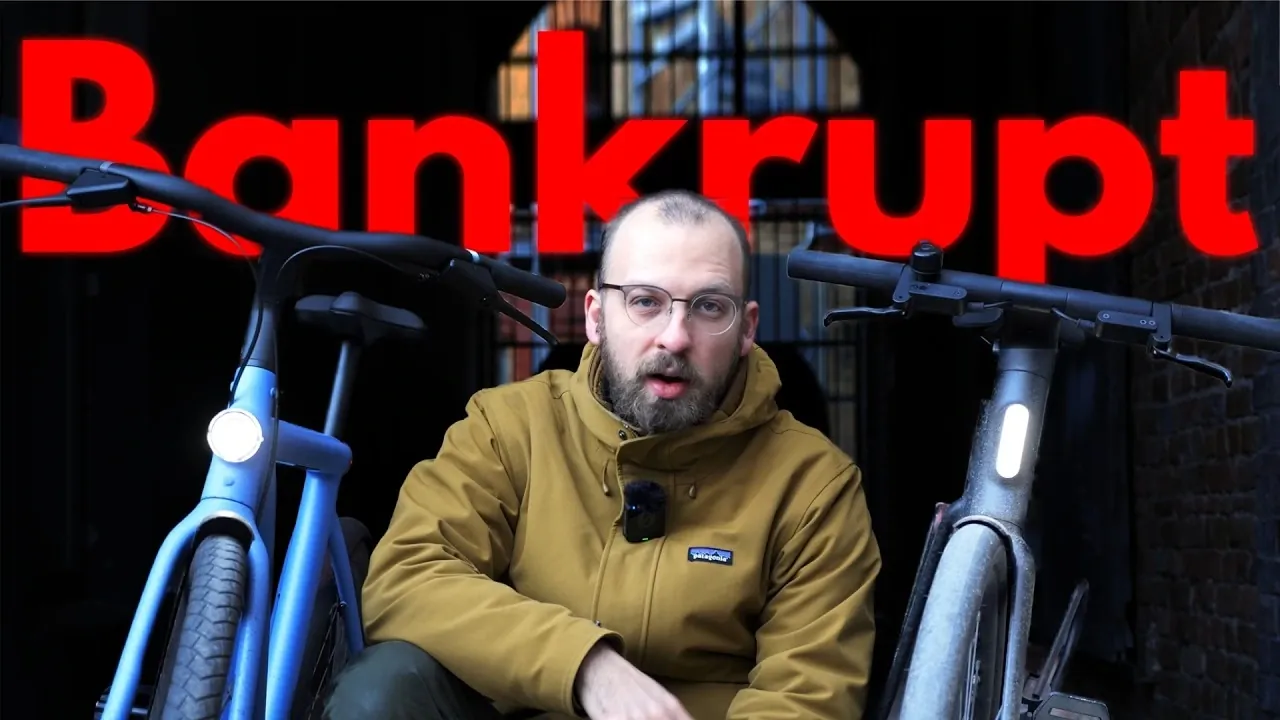
The e-bike industry has experienced a dramatic shift, with several high-profile startups like VanMoof, Rad Power Bikes, and Cowboy filing for bankruptcy after years of rapid growth. According to TechAltar, the combination of overfunding, unsustainable expansion strategies, and pandemic-driven market distortions created a fragile foundation for these companies. While the initial surge in demand for e-bikes seemed promising, challenges such as supply chain disruptions and rushed product launches exposed vulnerabilities that ultimately led to financial collapse.
This guide explores the key factors behind the wave of bankruptcies in the e-bike sector, including the risks of aggressive scaling and the impact of regulatory pressures. You’ll learn how issues like declining post-pandemic demand, battery safety concerns, and excess inventory compounded the struggles of these startups. By understanding these challenges, you can gain insights into the complexities of scaling in a competitive market and the importance of balancing innovation with sustainable business practices.
E-Bike Startup Challenges
TL;DR Key Takeaways :
- The e-bike industry initially thrived due to innovative designs, eco-conscious consumer demand, and significant venture capital funding, with companies like Rad Power Bikes, VanMoof, and Cowboy leading the market.
- Overfunding and rapid growth led to rushed product launches, price undercutting, and financial instability, ultimately compromising product quality and customer trust.
- The COVID-19 pandemic temporarily boosted e-bike demand but exposed vulnerabilities such as supply chain disruptions, inconsistent product quality, and increased warranty claims.
- Post-pandemic market normalization left startups with excess inventory, declining sales, and financial strain, exacerbated by regulatory pressures like tariffs and stricter safety standards.
- The wave of bankruptcies among e-bike startups highlights the risks of unsustainable growth, but the industry is shifting toward conservative strategies, improved product reliability, and regulatory compliance for a more stable future.
How E-Bike Startups Initially Thrived
E-bike startups entered the market with ambitious goals to transform urban transportation. Companies like Rad Power Bikes, VanMoof, and Cowboy gained significant attention by offering:
- Innovative and sleek designs that appealed to modern consumers.
- Integrated theft protection systems to enhance security.
- User-friendly features tailored to urban commuters.
These innovations resonated strongly with eco-conscious consumers seeking alternatives to cars and public transit. Backed by substantial venture capital, Rad Power Bikes raised $329 million, VanMoof $200 million, and Cowboy $140 million, these companies expanded aggressively, positioning themselves as leaders in the e-bike market. Their success was fueled by the promise of sustainable transportation and the growing global interest in reducing carbon footprints.
The Pitfalls of Overfunding and Rapid Growth
Despite their initial success, many e-bike startups fell victim to the pitfalls of overfunding and unsustainable growth. The influx of venture capital created immense pressure to scale quickly, often at the expense of long-term stability. This approach led to several critical issues:
- Rushed product launches that compromised quality and reliability.
- Price undercutting to outpace competitors, which eroded profit margins.
- Financial losses stemming from overly ambitious expansion plans.
For example, some e-bikes experienced battery malfunctions and other technical issues, which damaged customer trust and increased warranty claims. The relentless focus on rapid growth over sustainable business practices left these companies vulnerable to market fluctuations and operational challenges.
Why All the E-bike Startups Went Bankrupt

Uncover more insights about E-bike in previous articles we have written.
- ADO Air One Pro: Lightweight, Long-Range E-Bike for All Riders
- Birch Bikes Debuts Its Pioneering Hunting E-Bike: The Grolar
- BMW Active Hybrid e-Drive Electric Bike $4,000
- ASYNC A1 electric bike 35mph top speed
- LIVALL’s PikaBoost 2 Lite Edition Delivers No-Fuss E-Bike Power at
- Unique Rumble Electric Bike Offers A Range Of 60 Miles
- SDREAM all-terrain folding electric bike
- PikaBoost transform your bike into an electric bike
- Himo ZL20 MAX 400w electric bike from $949
- VIRGO e-bike helmet offers full facial protection
The Pandemic’s Double-Edged Impact
The COVID-19 pandemic initially acted as a fantastic option for the e-bike industry. With public transportation perceived as a health risk, many consumers turned to e-bikes as a safer and more convenient alternative. This surge in demand led to record-breaking sales for startups. However, the pandemic also introduced significant challenges:
- Global supply chain disruptions that delayed production and delivery schedules.
- Difficulty sourcing reliable components, resulting in inconsistent product quality.
- Increased warranty claims and strained customer relationships due to product defects.
While the pandemic temporarily boosted demand, it also exposed operational vulnerabilities within these startups. The inability to adapt to these challenges effectively set the stage for future financial difficulties.
Post-Pandemic Market Realities
As the pandemic subsided, the temporary surge in e-bike demand began to wane. Startups that had scaled up production to meet pandemic-driven demand were left grappling with:
- Excess inventory that could not be sold quickly enough.
- Declining revenue streams as consumer interest normalized.
For instance, Rad Power Bikes and Cowboy experienced significant drops in sales after the pandemic’s peak. This overproduction, coupled with a lack of long-term strategic planning, highlighted the risks of relying too heavily on short-term market trends. The inability to adjust to post-pandemic realities further strained the financial health of these companies.
Regulatory and Market Pressures
In addition to operational challenges, e-bike startups faced increasing regulatory and market pressures. These included:
- U.S. tariffs on Chinese and Taiwanese imports, which raised costs for American companies.
- Heightened scrutiny over battery safety and high-powered e-bikes due to incidents of battery fires and accidents.
- Calls for stricter safety standards, adding complexity to compliance and production processes.
These factors placed additional strain on profit margins and complicated efforts to achieve sustainable growth. The regulatory landscape, while necessary for consumer safety, created hurdles that many startups were ill-equipped to navigate effectively.
The Wave of Bankruptcies
The culmination of these challenges has led to a wave of bankruptcies among e-bike startups. Industry leaders like VanMoof and Cowboy have faced financial collapse, prompting significant restructuring efforts. These efforts have included:
- Downsizing operations and focusing on core markets to reduce costs.
- Shifting from direct-to-consumer models to traditional retail partnerships to rebuild trust and streamline distribution.
While these measures are necessary for survival, they highlight the significant hurdles these companies must overcome to regain stability. The financial struggles of these once-promising startups serve as a stark reminder of the risks associated with rapid growth and inadequate planning.
What Lies Ahead for the E-Bike Industry
Despite the setbacks faced by many startups, the e-bike market remains poised for a more sustainable future. Companies are beginning to learn from past mistakes and are adopting strategies that emphasize:
- Conservative growth models that prioritize long-term stability over aggressive expansion.
- Enhanced product reliability to rebuild consumer trust and loyalty.
- Compliance with evolving regulatory standards to ensure safety and market viability.
The demand for eco-friendly transportation solutions continues to grow, offering opportunities for innovation and recovery. While the collapse of several startups serves as a cautionary tale, it also paves the way for a more resilient and mature e-bike industry. By focusing on sustainable practices and addressing past shortcomings, the industry has the potential to thrive in the years to come.
Media Credit: TechAltar
Disclosure: Some of our articles include affiliate links. If you buy something through one of these links, Geeky Gadgets may earn an affiliate commission. Learn about our Disclosure Policy.
