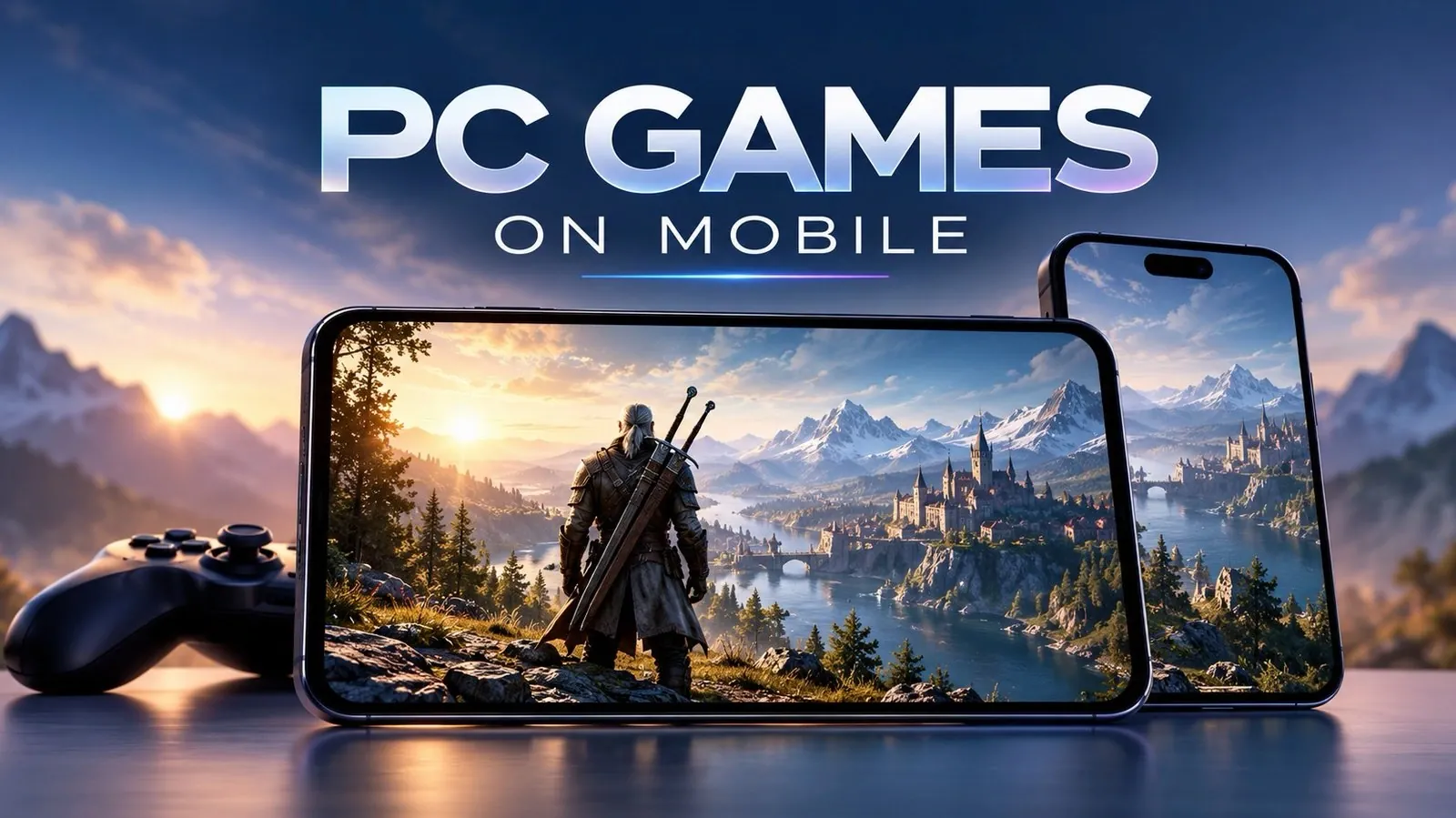
The ability to play unmodified Windows PC games directly on mobile devices is now a reality, enabled by two open source projects: Madeira for iOS and Droid Deck for Android. As highlighted by Water CS2, these frameworks eliminate the need for cloud streaming or remote desktop setups by using technologies such as Valve’s Proton and ARM-native Steam clients. For instance, Madeira has successfully run Red Dead Redemption 2 at 30-35 frames per second on an iPhone 15 Pro Max, demonstrating the potential of Apple Silicon hardware. On the Android side, Droid Deck offers a full Steam OS experience, including Big Picture Mode and Steam Cloud syncing, optimized for Snapdragon processors.
“DroidDeck brings the SteamOS experience to Android: Valve’s Steam client in Big Picture on your Adreno handheld, with Windows games through Valve’s ARM64 Proton.” – “Madeira runs Windows PC games on an iPhone, with no jailbreak. Games run as they are, unmodified, inside a single iOS app.”
Dive into how these projects address platform-specific hurdles, such as iOS’s restrictive ecosystem and Android’s diverse hardware landscape, to achieve smooth gameplay. Gain insight into the technical components behind these frameworks, including FEX MU’s x86-to-ARM translation and Proton’s role in compatibility. This explainer also compares the unique features of Madeira and Droid Deck, helping you evaluate which approach best suits your gaming needs and device setup.
Madeira: Transforming Gaming on iOS
TL;DR Key Takeaways :
- Madeira and Droid Deck are new open source tools allowing unmodified Windows PC games to run natively on iOS and Android devices, bypassing the need for cloud streaming or remote setups.
- Madeira uses Apple Silicon hardware to deliver high-performance gaming on iOS, with features like offline mode and seamless Steam integration, demonstrated by games like Red Dead Redemption 2 running at 30-35 FPS on an iPhone 15 Pro Max.
- Droid Deck provides a full Steam OS experience on Android, optimized for Snapdragon processors with Adreno 730 GPUs or newer, offering features like Big Picture Mode, Steam Cloud syncing and controller customization.
- Both tools rely on advanced technologies such as Valve’s Proton, FEX MU and ARM-native Steam clients, allowing smooth x86-to-ARM translation and high-quality local rendering on mobile devices.
- Madeira and Droid Deck are free, open source projects available on GitHub, showcasing the potential of mobile devices as legitimate platforms for high-performance PC gaming and shaping the future of mobile gaming innovation.
Madeira is an innovative tool that allows you to play unmodified Windows games directly on iOS devices without requiring jailbreaking. It addresses the inherent challenges of iOS’s restrictive environment, such as limitations on background subprocesses and the absence of just-in-time (JIT) compilation. A lightweight companion tool, Madeira Doc, facilitates seamless integration with Steam, eliminating the need for the full desktop interface.
This tool is particularly effective on Apple Silicon hardware, including the A15 Bionic and M-series chips, which are renowned for their exceptional performance. For instance, Red Dead Redemption 2 has been successfully demonstrated running at 30-35 frames per second on an iPhone 15 Pro Max. Madeira also includes an offline mode, allowing games to be played after an initial online verification. By unlocking the potential of iOS devices for high-end gaming, Madeira is redefining the gaming experience on Apple platforms.
Droid Deck: Bringing Steam OS to Android
On the Android side, Droid Deck delivers a full Steam OS experience, integrating Valve’s ARM-native Linux Steam client and Proton directly into mobile devices. Designed for Qualcomm Snapdragon processors with Adreno 730 GPUs or newer, Droid Deck offers features such as Big Picture Mode, Steam Cloud syncing, and controller customization, providing a comprehensive gaming experience.
Droid Deck focuses on optimizing performance, reducing Steam boot times and making sure compatibility with a broad range of games. However, it does face challenges, including high storage requirements and occasional UI or audio glitches. Despite these minor hurdles, Droid Deck showcases the potential of Android devices as powerful gaming platforms, especially when paired with high-performance hardware.

Here are additional guides from our expansive article library that you may find useful on mobile gaming.
- At $35 GameSir Pocket Taco Beats 8BitDo FlipPad with Bluetooth
- 8Bitdo Ultimate Mobile Gaming Controller : Hands On Review
- Corsair acquires game controller maker SCUF Gaming
- MCON Review : Magnetic Gaming Controller for iPhone & Android
- Infinity Blade FX 46 Inch Touchscreen Arcade Game
- RedMagic 11 Pro Teardown: Why This Cooling System Is the Best in Mobile Gaming
- Level Up Your Mobile Gaming with These Essential Travel Accessories
The Technology Powering the Revolution
The success of Madeira and Droid Deck is underpinned by a suite of innovative technologies, many of which are open source contributions from Valve. These technologies work together to enable seamless gaming experiences on mobile devices, pushing the boundaries of what is possible in mobile gaming. Key components include:
- FEX MU: A robust x86-to-ARM translation layer that allows Windows games to run on ARM-based devices.
- Proton: A compatibility layer that enables Windows games to run on Linux, forming the backbone of both projects.
- ARM-native Steam Client: An optimized version of Steam specifically designed for ARM architecture, making sure smooth operation on mobile hardware.
- Mobile Graphics Drivers: Integration of advanced drivers that enable local rendering on mobile devices, delivering high-quality visuals and performance.
These technologies collectively enable Madeira and Droid Deck to deliver high-performance gaming experiences, bridging the gap between traditional PC gaming and mobile platforms.
Comparing Madeira and Droid Deck
While both Madeira and Droid Deck aim to bring PC gaming to mobile devices, their approaches and target audiences differ significantly. Understanding these differences can help you determine which tool best suits your needs:
- Madeira: Designed for iOS users, Madeira focuses on lightweight engineering to bypass Apple’s restrictions. It uses the powerful hardware of Apple devices to deliver a streamlined and user-friendly gaming experience. This makes it ideal for casual gamers seeking simplicity and convenience.
- Droid Deck: Tailored for Android users, Droid Deck offers a full Steam OS environment, catering to gaming enthusiasts who want a comprehensive and customizable experience. However, it requires higher hardware specifications and more storage space, making it better suited for advanced users with high-performance devices.
Both tools highlight the versatility of mobile platforms, offering unique solutions that cater to the strengths of iOS and Android ecosystems.
Shaping the Future of Mobile Gaming
The introduction of Madeira and Droid Deck marks a significant shift in how PC gaming is experienced on mobile devices. By allowing the local execution of Windows games, these tools eliminate the need for constant internet connectivity or external hardware, making high-end gaming more accessible to a broader audience.
Both projects are free, open source and available on GitHub, encouraging collaboration and innovation within the gaming community. As these tools continue to evolve, they have the potential to redefine the gaming landscape, positioning mobile devices as legitimate platforms for high-performance PC gaming. With advancements in mobile hardware and software, the line between traditional PC gaming and mobile gaming is becoming increasingly blurred, opening up exciting possibilities for the future.
Media Credit: Water CS2
Disclosure: Some of our articles include affiliate links. If you buy something through one of these links, Geeky Gadgets may earn an affiliate commission. Learn about our Disclosure Policy.
