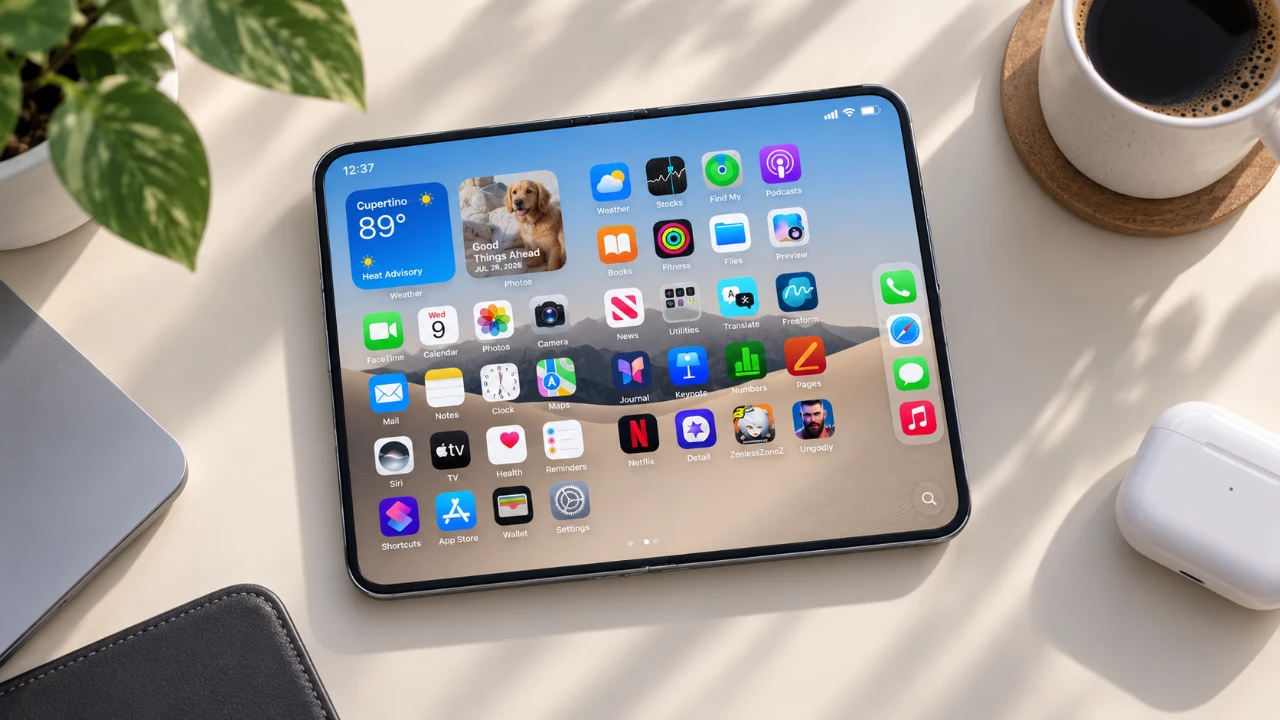
Apple has introduced a new “Get Ready” session to simplify the pre-order process for its latest device, the iPhone Duo. This feature allows you to set up your device preferences and payment details in advance, helping you avoid delays caused by high demand or technical issues. The iPhone Duo is designed with features that cater to productivity and media consumption, but it also comes with certain limitations. Before committing to a purchase, it’s important to carefully evaluate its strengths and weaknesses to ensure it aligns with your specific needs. The video below from Half Man Half Tech gives us more details.

How to Prepare for Pre-Orders
Apple’s “Get Ready” session is an essential tool for streamlining the pre-order experience. Accessible through both the Apple Store app and website, this feature allows you to pre-select key details, such as your preferred device color, storage capacity, and payment method. By completing these steps ahead of time, you can minimize the risk of encountering system slowdowns when pre-orders officially open.
For a smoother experience, it’s advisable to prepare on both the app and the website. This dual approach provides a backup option in case one platform experiences delays or technical glitches. Additionally, ensure your Apple ID and payment information are up to date to avoid last-minute issues.
Key Features and Limitations of the iPhone Duo
The iPhone Duo is tailored for users who prioritize multitasking, media consumption and note-taking. While it offers several appealing features, it also has notable trade-offs compared to Apple’s premium models.
- Camera System: The iPhone Duo is equipped with a two-camera setup, which is less advanced than the three-camera system found on higher-end models like the iPhone 18 Pro.
- Battery Life: Its battery supports up to 31 hours of usage, falling short of the 45-hour capacity offered by the iPhone 18 Pro Max.
- Advanced Features: The device lacks features such as an 8x zoom and Face ID, which are standard on Apple’s flagship models.
These limitations may impact your experience, particularly if photography, extended battery life, or advanced functionalities are high priorities for you. However, for users focused on productivity and everyday tasks, the iPhone Duo remains a compelling option.
Storage Options and Pricing
The iPhone Duo is available in multiple storage configurations, starting at 256GB for $1,999 USD and going up to 2TB for $3,199 USD. While higher storage tiers provide ample space for files, apps, and media, they come with a significant price increase.
If you’re looking for a more cost-effective solution, consider using iCloud storage. This option allows you to expand your storage capacity without the upfront expense of purchasing a higher-tier device. For users who rely heavily on cloud-based services, this can be a practical and budget-friendly alternative.
Flexible Purchase Options
Apple offers several purchasing methods to accommodate different budgets and preferences. These include:
- Outright Purchase: Pay the full price upfront for immediate ownership.
- Interest-Free Installments: Spread the cost over time through Apple’s installment plan, making the purchase more manageable.
- Leasing Options: Third-party providers like Klarna offer leasing plans, which can be ideal for users who frequently upgrade their devices.
- Carrier Plans: Some carriers provide discounts, trade-in offers, or exclusive perks for long-term customers.
Carefully evaluate these options to determine which aligns best with your financial situation and long-term usage habits. For those who prefer flexibility, leasing or installment plans may be more appealing, while outright purchases offer the benefit of full ownership without ongoing payments.
Additional Savings and Protections
Apple provides a 10% discount for veterans and military members, which can significantly reduce the overall cost of the iPhone Duo. Given the device’s foldable screen, investing in AppleCare Plus is highly recommended to protect against accidental damage or repair costs.
If you’re upgrading from an older device, Apple’s trade-in program offers a convenient way to offset the cost of your new purchase. However, selling your device privately often yields higher returns, giving you more funds to allocate toward your new phone. Weigh the convenience of Apple’s trade-in program against the potential financial benefits of a private sale to make the best decision for your situation.
Important Dates to Remember
Pre-orders for the iPhone Duo open on October 16th at 5:00 PM PT, with devices officially becoming available on October 25th. To secure your preferred configuration, it’s crucial to complete the “Get Ready” session in advance and be prepared to place your order as soon as pre-orders go live. High demand is expected, so acting quickly will improve your chances of obtaining the device in your desired color and storage capacity.
Making an Informed Decision
The iPhone Duo offers a streamlined pre-order process and features designed to enhance productivity and media consumption. However, its limitations in camera capabilities, battery life, and advanced features make it essential to assess whether it meets your specific needs. By preparing in advance, exploring storage and payment options and taking advantage of discounts or trade-in opportunities, you can make a well-informed decision and maximize the value of your purchase.
Take a look at other insightful guides from our broad collection that might capture your interest in iPhone Duo.
- iPhone Duo: Key Details Apple Barely Mentioned on Stage
- Early iPhone Duo 2 Leaks Reveal Major Hardware Upgrades
- Apple’s iPhone Duo 2 Just Leaked: Everything Changing With the Next Foldable
- iPhone Duo vs. Galaxy Z Fold 8: Did Apple Just Catch Samsung?
- iPhone Duo: 5 Features That Make It Worth the Price
- Apple’s Secret iPhone Duo 2 Upgrades Look Absolutely Insane
Source: HalfManHalfTech
Disclosure: Some of our articles include affiliate links. If you buy something through one of these links, Geeky Gadgets may earn an affiliate commission. Learn about our Disclosure Policy.
