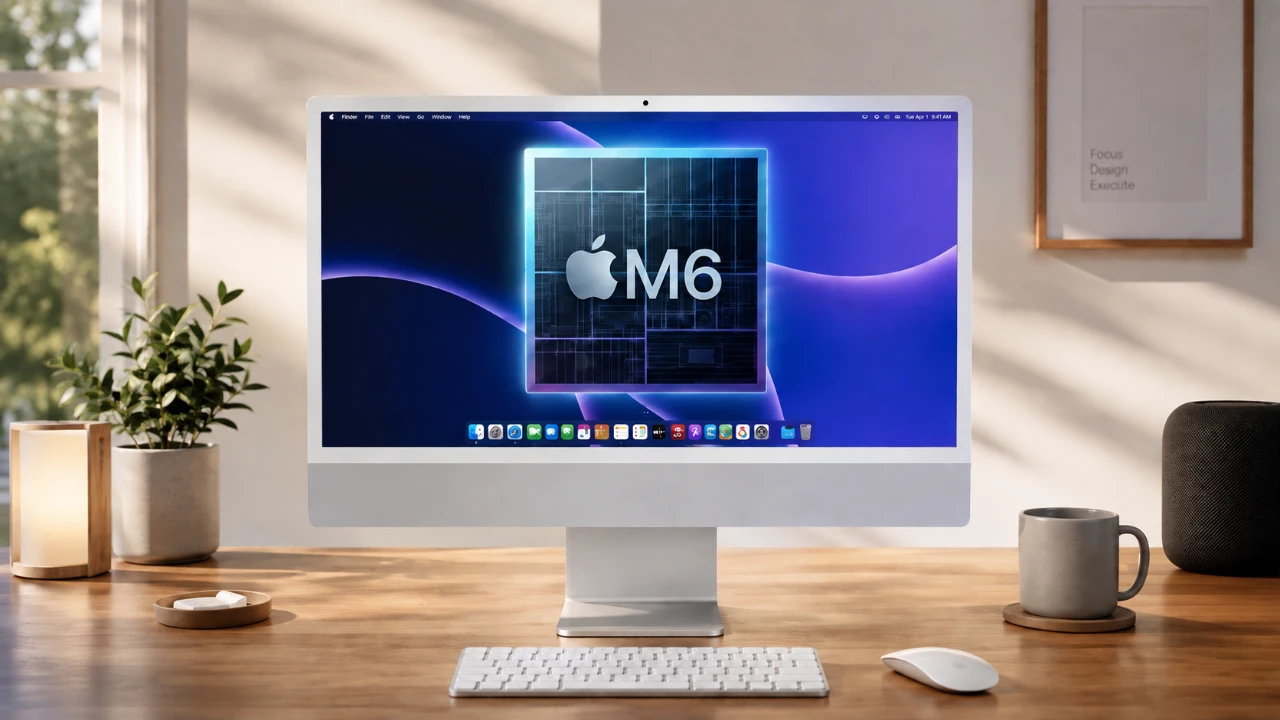
Apple is gearing up to release its latest 24-inch iMac, featuring the new M6 chip and refreshed color options. While the internal upgrade promises enhanced performance and efficiency, the absence of significant design changes or a larger screen size has left many users questioning whether this update is enough to maintain the iMac’s relevance. In an increasingly competitive market, these incremental improvements may struggle to meet the expectations of both loyal customers and new buyers. The video below from SaranByte gives us more details about the new 2026 M6 iMac.

What’s New in the 24-inch iMac?
The upcoming iMac will replace its M4-powered predecessor with Apple’s latest M6 chip, which is expected to deliver faster processing speeds and improved energy efficiency. This upgrade aligns the iMac with Apple’s broader ecosystem of devices, making sure it remains competitive in terms of performance. However, beyond this internal enhancement, the iMac’s external design remains virtually unchanged, retaining the same 24-inch display and slim profile introduced in 2021.
To differentiate the new model, Apple is introducing updated color options, offering a refreshed aesthetic for users who value personalization. While these cosmetic changes may appeal to some, they do little to address the growing demand for more substantial innovations. The device is expected to launch by the end of the year, but for many, the updates feel more like a minor refresh than a meaningful evolution of the product.
The Absence of a Larger iMac
One of the most notable disappointments for iMac enthusiasts is the continued absence of a larger screen option. Despite consistent demand for a 27-inch or even larger iMac, Apple has yet to revive this offering. Instead, the company appears to be steering users toward modular setups, such as pairing a Mac Mini with the Studio Display or other external monitors.
While this modular approach offers flexibility and customization, it lacks the simplicity and seamless integration that have long defined the iMac experience. For users who prefer an all-in-one desktop solution, the absence of a larger iMac remains a significant drawback. Professionals and power users, in particular, are left searching for alternatives that can meet their needs for both performance and screen real estate.
Rising Prices and Value Concerns
The current 24-inch iMac starts at $1,499, and the introduction of the M6 chip could potentially push this price even higher. This raises important questions about the iMac’s value proposition, especially when compared to other Apple products that offer similar or greater functionality at a lower cost or with added versatility.
- The Mac Mini delivers comparable performance at a significantly lower price point, making it an attractive option for budget-conscious buyers.
- The MacBook lineup offers portability and flexibility, appealing to users who need a device that can adapt to various environments.
- Refurbished iMac models, often available at reduced prices, are becoming an increasingly popular choice for those seeking affordability without sacrificing performance.
As prices rise, the iMac’s appeal diminishes for users who prioritize affordability, portability, or advanced features. This pricing strategy risks alienating a segment of Apple’s customer base that has traditionally relied on the iMac as a cost-effective, all-in-one solution.
Shifting Market Dynamics
The iMac’s role within Apple’s product lineup is becoming increasingly ambiguous. With the growing popularity of laptops and modular desktop setups, the all-in-one desktop concept appears to be losing its edge. Apple seems to be positioning the iMac as a straightforward, consumer-friendly option, but this strategy may not resonate with users seeking more advanced features or greater versatility.
The lack of a larger screen option further limits the iMac’s competitiveness, particularly as other desktop solutions offer more flexibility to meet diverse user needs. For professionals, creatives, and power users, the iMac’s current configuration may feel restrictive, prompting them to explore alternatives that better align with their requirements.
What’s on the Horizon?
Looking ahead, there are reports that Apple is developing an OLED iMac, which could significantly enhance display quality and visual performance. However, this model is not expected to debut for several years, leaving current users with little to look forward to in the near term. This delay in delivering meaningful updates risks creating a sense of stagnation around the iMac lineup.
Some industry observers speculate that Apple may be deliberately holding back major upgrades to make future redesigns more impactful. While this strategy could generate excitement when new models eventually arrive, it also risks alienating loyal customers who are eager for meaningful improvements now. For many, the lack of innovation in the current 24-inch iMac underscores a broader shift in Apple’s priorities, with the iMac seemingly taking a backseat to other product lines.
What Users Are Saying
The response to the upcoming 24-inch iMac reflects a growing sense of frustration among Apple’s customer base. While many users continue to appreciate the simplicity and integration that define the iMac, there is a widespread feeling that Apple is neglecting the product’s core appeal. Key concerns include:
- The lack of a larger screen option, which limits the iMac’s suitability for professionals and power users.
- Rising prices that make the iMac less accessible to a broader audience.
- A perception that Apple is prioritizing incremental updates over bold innovation, leaving the iMac feeling stagnant in comparison to other product lines.
For some, these issues are prompting a reevaluation of whether the iMac still meets their needs, with many considering alternatives within and beyond Apple’s ecosystem.
The Future of the iMac
The new 24-inch iMac with the M6 chip highlights Apple’s continued focus on incremental improvements, but it also underscores the limitations of this approach. Without addressing the demand for larger screens or offering more competitive pricing, the iMac risks losing relevance in a market that increasingly favors laptops and modular desktop setups.
While the iMac remains a capable and user-friendly all-in-one desktop, its future success will depend on Apple’s ability to balance innovation with user expectations. For now, the iMac feels like a product in transition, functional and reliable, but falling short of its potential to truly captivate and inspire its audience.
Unlock more potential in the iMac by reading previous articles we have written.
- Apple iMac M4 First Look: New Colors, Nanotexture, and More!
- Apple’s Late 2026 Roadmap Just Leaked—And It’s the Biggest Shakeup in a Decade
- Will the M5 Mac Mini Arrive This Summer? Latest Leaks Explained
- Every New Apple Device Leaked Ahead of WWDC 2026
- Apple’s Boldest Mac Redesign in Years Arrives This October: What to Expect
- Apple Event Leaks: iPhone 18 Pro, iPhone Ultra, and M6 Macs Revealed
Source: SaranByte
Disclosure: Some of our articles include affiliate links. If you buy something through one of these links, Geeky Gadgets may earn an affiliate commission. Learn about our Disclosure Policy.
