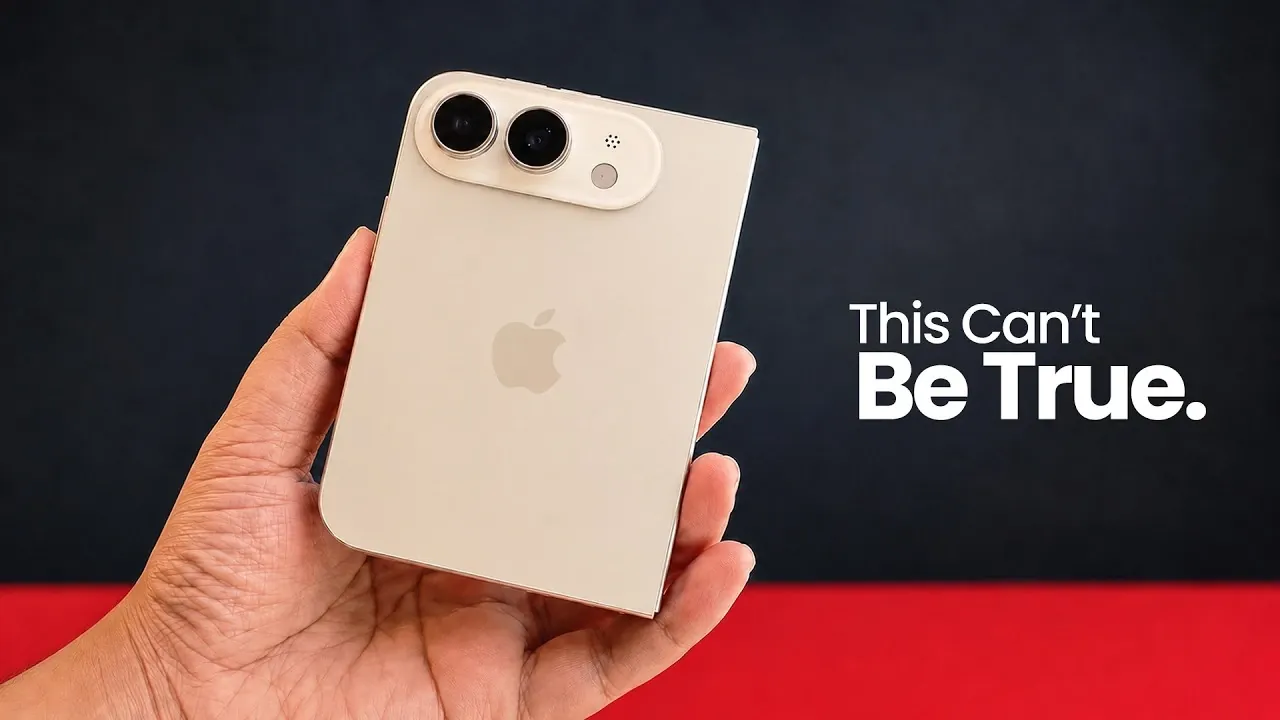
Apple’s highly anticipated entry into the foldable smartphone market with the iPhone Fold may be delayed until early 2027. Rumors suggest this delay, reportedly caused by unresolved challenges in hinge production, provides Samsung with a significant competitive advantage. With the Galaxy Z Fold 8 expected to launch in July 2026, Samsung is poised to dominate the foldable smartphone market for at least seven months, further solidifying its leadership in this rapidly expanding segment. This extended lead time could allow Samsung to set new benchmarks in innovation and user experience, making it more challenging for Apple to capture attention when its device finally debuts. The video below from Techtics

Why the Delay Matters
The iPhone Fold was initially expected to launch in September 2026, aligning with Apple’s traditional annual product release schedule. However, production setbacks, particularly with the hinge mechanism, have pushed the release to early 2027. This delay disrupts Apple’s strategic plans and grants Samsung an extended window to strengthen its position in the foldable market. By the time Apple introduces the iPhone Fold, Samsung may have already established new industry standards, potentially diminishing the excitement and differentiation Apple typically generates with its product launches.
The delay also highlights the competitive dynamics of the foldable market. While Apple has historically entered markets later with refined products, the extended timeline could allow competitors to capture consumer loyalty and set expectations that Apple will need to exceed. This raises questions about whether Apple can maintain its reputation for innovation and market disruption in the face of growing competition.
The Hinge: A Technical Bottleneck
The hinge mechanism is a critical component of any foldable smartphone, directly impacting its durability, usability, and overall design. Apple is reportedly facing significant challenges in developing a hinge that meets its stringent quality standards while maintaining a sleek and lightweight profile. The company is said to be prioritizing a robust yet compact hinge to ensure long-term reliability and a premium user experience. However, achieving this balance has proven to be a complex engineering challenge.
This bottleneck underscores the broader difficulties of foldable technology. Even minor design flaws in the hinge can lead to significant production delays, as the mechanism must withstand repeated folding and unfolding without compromising performance. Apple’s focus on delivering a hinge that aligns with its reputation for quality and durability may explain the extended timeline, but it also highlights the technical hurdles that continue to shape the foldable market.
What to Expect from the iPhone Fold
Despite the delay, the iPhone Fold is rumored to feature several innovative design elements aimed at redefining the foldable smartphone experience. These rumored features include:
- A wide, passport-shaped cover display designed for enhanced usability and seamless multitasking.
- A 7.8-inch internal screen optimized for immersive viewing, catering to media consumption and productivity.
- A 4.5-mm titanium frame that emphasizes thinness, durability, and a premium feel.
- A vapor cooling chamber to manage heat during intensive use, marking a first for Apple smartphones.
These features suggest that Apple is focused on delivering a high-performance, premium device that stands out in an increasingly crowded market. The inclusion of advanced materials and innovative cooling technology reflects Apple’s commitment to pushing the boundaries of what foldable smartphones can offer. However, the delay raises questions about whether these features will be enough to differentiate the iPhone Fold from competitors that are already setting new standards in the market.
Apple’s Strategic Dilemma
The delay in launching the iPhone Fold presents a strategic challenge for Apple. Historically, the company has used early announcements to generate anticipation and deter customers from switching to competitors. For instance, the iPhone X was unveiled months before its release, creating significant buzz and slowing competitor sales. A similar approach with the iPhone Fold could help Apple mitigate Samsung’s advantage by keeping potential customers engaged.
However, this strategy carries inherent risks. Prolonged delays could frustrate loyal customers, erode trust in Apple’s ability to deliver on its promises, and provide competitors with additional time to innovate and capture market share. The foldable market is evolving rapidly, and Apple’s extended timeline may leave it playing catch-up in a segment where first-mover advantages can be significant.
Rising Competition in the Foldable Market
Apple’s delay comes at a time when competitors are aggressively advancing foldable technology. Samsung’s Galaxy Z Fold 8 is expected to set new benchmarks in thinness, durability, and overall design, further solidifying its position as a market leader. Meanwhile, Oppo’s Find N5 and other emerging players are refining foldable designs, offering consumers a broader range of options and pushing the boundaries of innovation.
These advancements are likely to raise consumer expectations, increasing the pressure on Apple to deliver a standout product. The delay also creates uncertainty, as conflicting reports from suppliers and analysts leave consumers and industry observers questioning the iPhone Fold’s timeline and potential impact. This uncertainty could benefit competitors, who may capitalize on the opportunity to attract customers seeking immediate access to innovative foldable devices.
What This Means for You
For consumers, the delay of the iPhone Fold signals a dynamic and rapidly evolving foldable smartphone market. In the short term, Samsung and other competitors are likely to dominate, offering a wider array of choices and innovations. This period of competition could lead to significant advancements in design, functionality, and user experience, benefiting consumers who are eager to explore the possibilities of foldable technology.
However, Apple’s eventual entry into the market could reshape the landscape. Known for its ecosystem integration and refined user experiences, Apple has the potential to redefine the foldable segment once it launches the iPhone Fold. Until then, Samsung’s seven-month lead provides a unique opportunity to solidify its dominance and set the stage for an intense rivalry when Apple finally joins the fray.
Find more information on iPhone Fold by browsing our extensive range of articles, guides, and tutorials.
- Why Apple’s iPhone Ultra Fold Changes Everything We Know About Smartphones
- iPhone Ultra Fold First Look: Apple Finally Went WIDE to Create the Ultimate Hybrid Device
- The ‘Passport’ iPhone Is Real: First Look at Apple’s Foldable ‘Ultra’ Design and its 7.8-inch Display
- Apple Just Confirmed 6 Major Features for the iPhone Ultra Fold
- Forget the iPhone 18: The iPhone Fold Leaks Reveal a 7.8-Inch Monster
- iPhone Ultra Fold Leaks: Every Design Feature Coming to Apple’s First Foldable
Source & Image Credit: Techtics
Disclosure: Some of our articles include affiliate links. If you buy something through one of these links, Geeky Gadgets may earn an affiliate commission. Learn about our Disclosure Policy.
