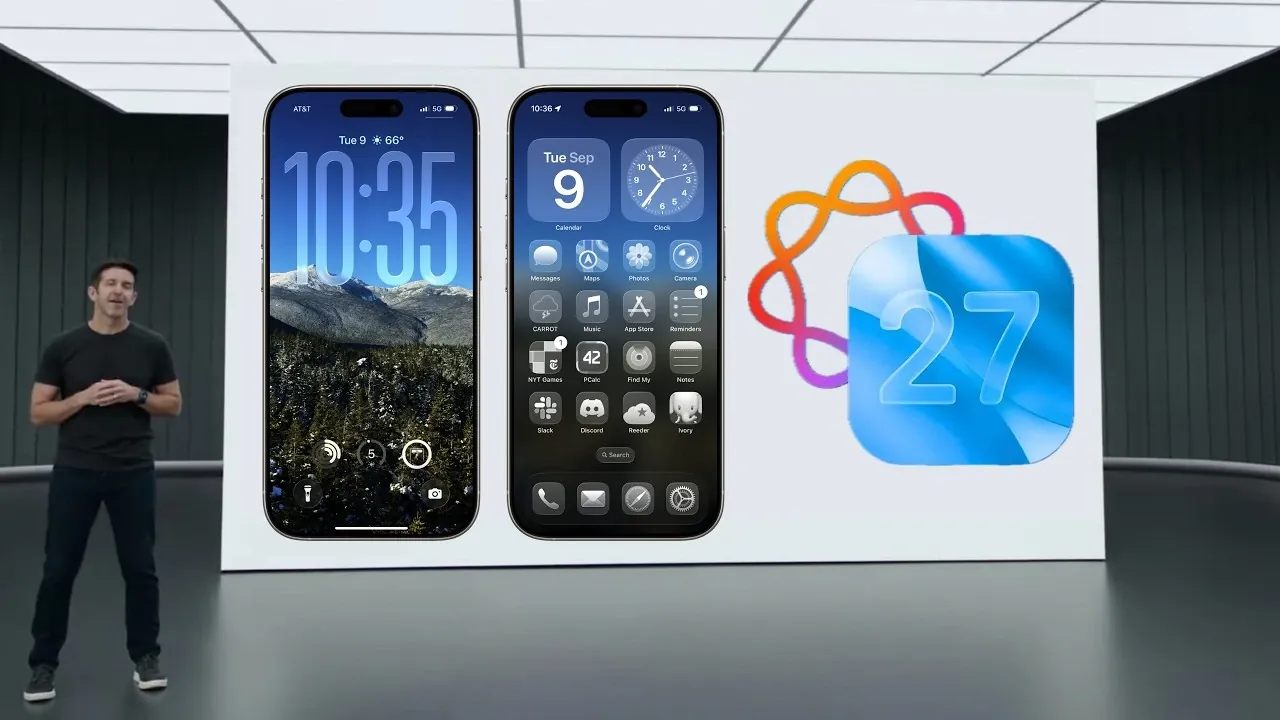
Apple has introduced a significant update to Voice Control on iPhone and iPad, marking a notable advancement in artificial intelligence (AI). This new feature enables you to interact with on-screen elements using natural language, eliminating the need for rigid, predefined commands. While initially presented as an accessibility enhancement, this update signals a broader evolution of Siri into a more intuitive and context-aware assistant. This development aligns with Apple’s long-term vision of creating a more human-like AI experience. However, questions remain about Apple’s ability to meet expectations, given its history of delays in delivering similar innovations.
Natural Language Interaction: A New Standard
The updated Voice Control feature introduces a more flexible way to issue commands, allowing you to say phrases like “Tap the guide about best restaurants in Maps” or “Tap the purple folder in Files.” Unlike traditional voice controls that require precise phrasing, this enhancement enables your device to interpret intent and context, making interactions more fluid and user-friendly.
Key benefits include:
- Elimination of rigid, predefined voice commands.
- More seamless and intuitive device interactions.
- Progress toward creating an AI assistant that feels conversational and natural.
By focusing on natural language processing, Apple is redefining how you interact with your devices, making the experience less mechanical and more aligned with everyday communication.
Accessibility: Expanding Usability for All
This update holds particular significance for accessibility users. By simplifying navigation and reducing the frustration of rigid commands, Apple is making its devices more inclusive. Historically, features like VoiceOver and Live Text have started as accessibility tools but evolved into functionalities that benefit all users. Similarly, this iteration of Voice Control has the potential to transition from an accessibility feature to a mainstream innovation, enhancing usability for everyone.
For individuals with mobility or vision impairments, the ability to issue context-aware commands can dramatically improve their experience. For example, instead of memorizing specific phrases, users can rely on natural speech patterns, reducing barriers to effective device usage. This approach underscores Apple’s commitment to creating technology that is not only innovative but also inclusive.
What This Means for Siri
The Voice Control update offers a glimpse into Siri’s future capabilities. By improving its ability to understand conversational flow and on-screen context, Siri is evolving into a more capable assistant. Imagine saying, “Add this to my calendar,” while viewing an event, or “Share this photo with John,” without needing to specify the exact image. These advancements could make Siri more aligned with how you naturally communicate, enhancing its utility and relevance in daily life.
This shift toward context-driven interactions positions Siri as a more practical tool for managing tasks. By integrating with apps like Calendar, Photos and Messages, Siri could become a central hub for productivity, offering personalized and contextually relevant responses. However, the success of these features will depend on Apple’s ability to deliver a polished and reliable experience.
Challenges Apple Must Address
Despite these promising developments, Apple faces several challenges. The company has been criticized for delays in delivering on its AI promises, including the much-anticipated next-generation Siri. To regain user trust, Apple must ensure these features are fully functional and reliable at launch. Any missteps, such as inconsistent performance or limited functionality, could undermine confidence in Apple’s ability to compete in the rapidly evolving AI landscape.
Additionally, Apple must address concerns about data privacy and security. As Siri becomes more context-aware, it will likely require access to more personal data. Striking the right balance between functionality and privacy will be critical in maintaining user trust and differentiating Siri from competitors.
Competition in the AI Space
Apple’s advancements in natural language processing come at a time when competition in the AI space is intensifying. Rivals like Google and Amazon have made significant strides in developing conversational AI, raising the stakes for Siri. However, Apple’s tightly integrated ecosystem offers a unique advantage. By using contextual data from apps like Maps, Calendar, and Photos, Siri could deliver more personalized and contextually relevant responses.
If Apple executes this strategy effectively, it could position Siri as a standout AI assistant. Unlike competitors that rely on standalone applications, Siri’s integration across Apple’s ecosystem allows it to provide a more cohesive and seamless user experience. This could be a key differentiator, particularly for users already invested in Apple’s ecosystem.
Rollout and Future Updates
The Voice Control upgrades will initially launch in English, targeting users in the United States, Canada, the United Kingdom and Australia. These updates are expected to roll out alongside iOS 27, iPadOS 27, and macOS 27, which are likely to be unveiled at WWDC in June 2024. This phased rollout will allow Apple to gather feedback and refine the feature before expanding to additional languages and regions.
Looking ahead, Apple’s broader overhaul of Siri could mark a pivotal moment in its AI strategy. By focusing on natural language processing and context-aware interactions, Apple has the potential to transform Siri into a more competitive and capable digital assistant. Future updates may include deeper integration with third-party apps, enhanced multilingual support, and improved contextual understanding, further solidifying Siri’s role as a cornerstone of Apple’s AI ecosystem.
Shaping the Future of AI Interaction
Apple’s natural language Voice Control represents a significant step toward a more intuitive and capable Siri. By prioritizing contextual understanding and natural language processing, Apple is creating a digital assistant that feels more human-like and accessible. This development has the potential to benefit both accessibility users and the broader user base, making device interactions more seamless and efficient.
However, Apple’s ability to deliver on its promises will be critical in maintaining its competitive edge in the rapidly advancing AI landscape. With the right execution, Siri could set a new benchmark for digital assistants, offering a unique combination of functionality, privacy and ecosystem integration. As Apple continues to refine and expand these features, it is poised to shape the future of AI interaction, redefining what users can expect from their devices.
Source & Image Credit: SaranByte
Disclosure: Some of our articles include affiliate links. If you buy something through one of these links, Geeky Gadgets may earn an affiliate commission. Learn about our Disclosure Policy.
