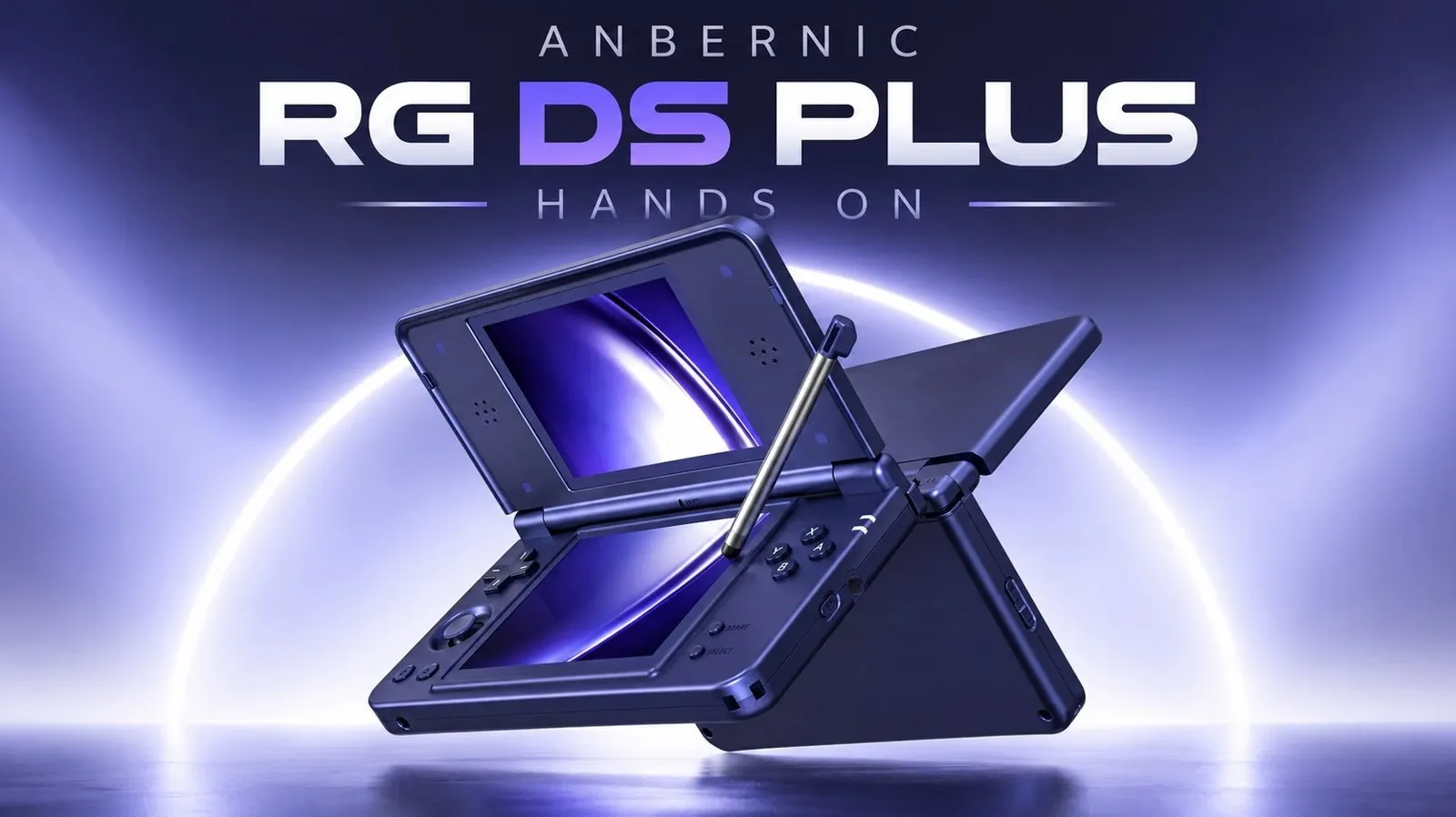
The Anbernic RG DS Plus offers a modern take on retro gaming, blending dual-screen functionality with a focus on Nintendo DS emulation. As highlighted by Retro Game Corps, this handheld device introduces notable enhancements over its predecessor, including a sharper 1024×768 resolution display and improved ergonomics for extended comfort. However, it also comes with compromises such as reduced RAM and the removal of Android support, which may limit its versatility. These trade-offs make the RG DS Plus a device that caters specifically to nostalgic gamers while leaving room for debate about its broader appeal.
Explore how the RG DS Plus handles multi-system emulation, including its performance with Game Boy and Dreamcast titles and learn about the impact of its Linux-based operating system on usability. You’ll also gain insight into the device’s DS-specific features, such as its magnetic sleep mode and tactile button design, as well as its shortcomings compared to the original DS hardware. This assessment will help you weigh the RG DS Plus’s strengths and limitations to determine if it aligns with your retro gaming preferences.
Key Upgrades from the RG DS
TL;DR Key Takeaways :
- The Anbernic RG DS Plus offers a dual-screen design with a 4.3-inch, 1024×768 resolution display, delivering sharp visuals and precise scaling for an authentic Nintendo DS gaming experience.
- Key upgrades include improved ergonomics, better build quality with a matte finish and enhanced audio through top-firing speakers, making it more comfortable and immersive for retro gaming enthusiasts.
- Notable drawbacks include unchanged performance with the Rockchip RK3568 chipset, reduced RAM (1GB), no internal storage and limited portability due to its larger size.
- DS-focused features like responsive controls, a magnetic sleep mode and a DS-inspired operating system enhance the nostalgic experience, though the touchscreen and stylus fall short of the original DS’s precision.
- While it supports multi-system emulation and has potential for improvement through custom firmware, it may not appeal to users seeking high-performance gaming or extensive portability compared to alternatives like the Retroid Pocket Duo Lite.
The RG DS Plus builds on its predecessor with several improvements that enhance usability and design, making it a more refined option for retro gaming enthusiasts.
- Improved Display: The 4.3-inch screen with a 1024×768 resolution offers sharp visuals and precise 4x integer scaling for DS games. This ensures a crisp and authentic experience, particularly for titles that rely on detailed graphics.
- Enhanced Ergonomics: A larger size and rounded edges provide better comfort during extended gaming sessions. The improved grip makes it more user-friendly for long-term use, reducing hand fatigue.
- Better Build Quality: The matte plastic finish minimizes fingerprints and adds a premium feel. Additionally, the inclusion of a built-in stylus holder ensures the stylus is always within reach, enhancing convenience.
- Upgraded Audio: Top-firing speakers deliver improved sound quality without the buzzing issues found in the RG DS. This upgrade enhances immersion, particularly in games with rich soundtracks or audio cues.
Notable Downgrades
Despite its improvements, the RG DS Plus introduces some trade-offs that may impact your overall experience.
- Unchanged Performance: The device uses the same Rockchip RK3568 chipset as the RG DS, offering no performance boost despite being a newer model. This limits its ability to handle more demanding emulation tasks.
- Reduced RAM and Storage: With only 1GB of RAM and no internal storage, the device relies entirely on external SD cards. It also runs exclusively on a Linux-based operating system, which may limit software flexibility.
- Battery Life: The 4,000mAh battery provides around four hours of gameplay but requires 2-3 hours for a full recharge. This may not be sufficient for longer gaming sessions without frequent charging.
- Limited Controls: The removal of the second analog stick restricts compatibility with certain games, particularly those designed for systems that rely on dual-stick input.
- Reduced Portability: Its larger size makes it less pocket-friendly compared to the original DS or other compact handhelds, which could be a drawback for users seeking a truly portable device.

Here are more detailed guides and articles that you may find helpful on gaming handheld.
- MSI Claw 8EX Ai+ Costs $1800 but Hits 70 FPS in Cyberpunk 2077
- How Intel’s Arc G3 Extreme Transforms the MSI Claw 8 EX AI+ Handheld
- ONEXPLAYER 3 Beats ROG Ally X with Intel Arc G3 Extreme
- GPD Win Max 3 Cooling Module Enables 120W Desktop Gaming
- What Happens When Handheld Consoles Rival Gaming Laptops In 2026
- Acer Just Revealed Two Gaming Handhelds with Wildly Different Specs
- AYN Odin 2 Portal 7 inch OLED Handheld Games Console Outshining the Competition
- Retroid Pocket 5: Game Emulation Performance and Features Tested
- Acer Project Dual Play Mini Concept Adds a Backlit Keyboard
- Legion Go 2 Z2 Extreme GPU Driver Update Released
DS-Focused Features
The RG DS Plus excels in recreating the Nintendo DS experience, offering features tailored for fans of the original console.
- Responsive Controls: The buttons are tactile and clicky, providing satisfying feedback during gameplay. The included stylus enables precise input for touch-based games, maintaining the DS’s signature functionality.
- Sleep Mode: A magnetic sensor allows the device to enter standby mode, reducing battery drain to just 4% overnight. This feature mirrors the original DS’s ability to preserve battery life during breaks.
- DS-Style Software: The stock operating system includes a DS-inspired menu and basic emulators, creating a familiar and intuitive interface. Custom firmware options, such as RockNix and Gamma OS Nano, are in development and promise enhanced functionality, including better emulation performance and additional features.
Shortcomings Compared to the Original DS
While the RG DS Plus mimics the DS experience, it falls short in certain areas when compared to the original hardware.
- Touchscreen Precision: The capacitive touchscreen introduces slight input delay and lacks the accuracy of the original DS’s resistive touchscreen. This may affect gameplay in titles that require precise touch input.
- Stylus Design: The rubber-tipped stylus does not glide as smoothly as the original DS stylus, which could impact the overall experience in touch-intensive games.
- Emulation Limitations: Some games may exhibit input lag or other quirks due to the limitations of software emulation. These issues may detract from the authenticity of the gaming experience.
Additional Features for Retro Gamers
Beyond its DS-centric design, the RG DS Plus offers features that appeal to retro gaming enthusiasts, making it a versatile option for those interested in exploring a variety of classic systems.
- Multi-System Emulation: The device supports emulation for systems like Game Boy, PS1 and Dreamcast. However, performance varies depending on the game and emulator, with some titles running more smoothly than others.
- Custom Firmware Potential: Upcoming firmware options, such as RockNix and Gamma OS Nano, could unlock new features, including retro achievements, upscaling and reduced input delay. These enhancements may significantly improve the overall user experience.
Comparison with Alternatives
The RG DS Plus occupies a unique niche but faces competition from other handheld gaming devices, each offering distinct advantages and drawbacks.
- Retroid Pocket Duo Lite: Priced at $150, this device offers more powerful hardware capable of handling demanding emulation tasks. However, it lacks the screen resolution necessary for accurate DS emulation, making it less suitable for DS-focused gamers.
- Mini Loom Pocket One: At $80, this budget-friendly option provides better multi-system emulation performance. However, it lacks the dual-screen design and DS-specific features that make the RG DS Plus stand out.
Who Should Consider the RG DS Plus?
The RG DS Plus is ideal for users seeking an affordable, DS-focused handheld with a simple plug-and-play experience. It’s particularly appealing to Nintendo DS enthusiasts who value nostalgia and ease of use. However, it may not satisfy those prioritizing portability, high-performance gaming, or extensive multi-system emulation. For those who already own the RG DS, the upgrades may not justify a purchase unless custom firmware development significantly enhances its capabilities.
Final Verdict
The Anbernic RG DS Plus is a compelling choice for retro gaming fans and Nintendo DS enthusiasts. It delivers a nostalgic gaming experience with modern enhancements, such as improved ergonomics and display quality. While it may not be a necessary upgrade for RG DS owners, its potential for improvement through custom firmware makes it a promising option for those looking to explore retro gaming on a budget.
Media Credit: Retro Game Corps
Disclosure: Some of our articles include affiliate links. If you buy something through one of these links, Geeky Gadgets may earn an affiliate commission. Learn about our Disclosure Policy.
