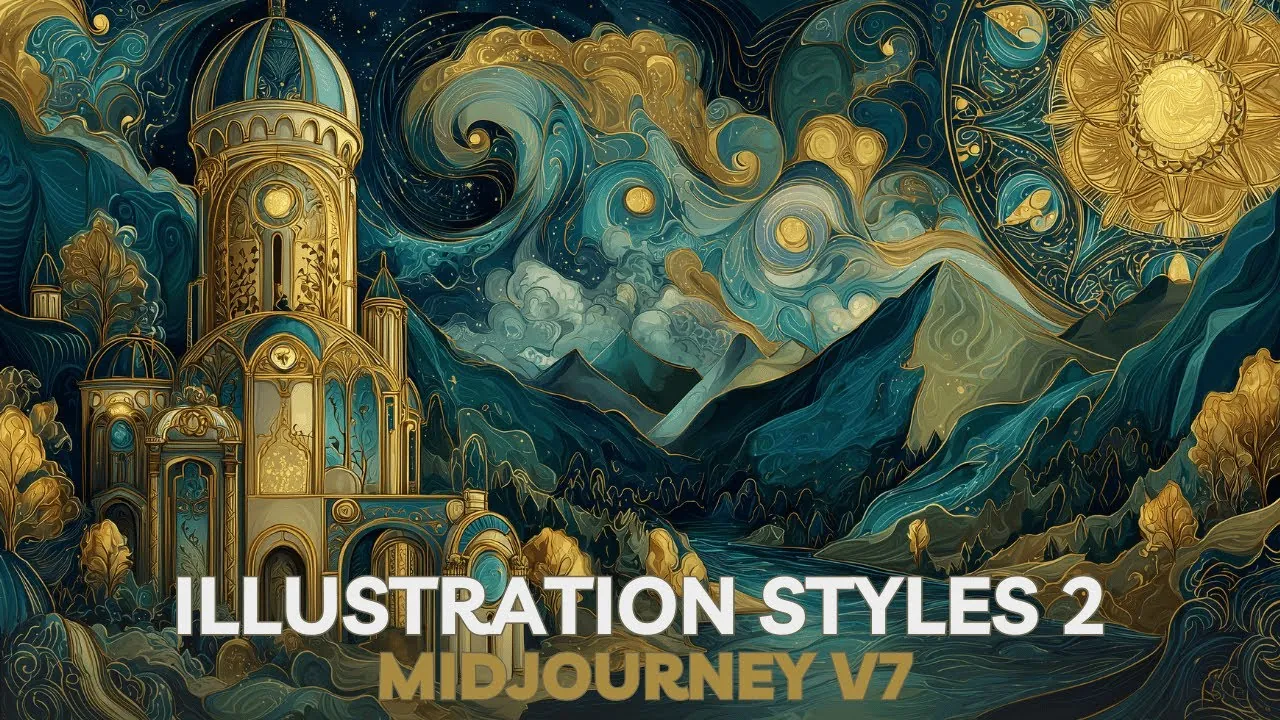
What if you could unlock a treasure chest of artistic styles, each more captivating than the last, and tailor them to your creative vision? With the release of Midjourney 7, illustrators and designers now have access to an expansive suite of 25 unique illustration styles that redefine creative boundaries. From painterly textures reminiscent of classic storybooks to bold, high-contrast techniques that demand attention, these styles are more than just tools, they’re gateways to storytelling, emotion, and visual impact. Whether you’re crafting a whimsical children’s tale or a dramatic graphic novel, the possibilities are as diverse as they are inspiring.
In this feature, Thaeyne explore the versatility and depth of these 25 styles, offering insights into their defining characteristics and potential applications. You’ll discover how painterly and ornate designs can evoke nostalgia, why cinematic realism is perfect for emotionally resonant scenes, and how sketchy, whimsical approaches add charm and spontaneity. Each style brings something unique to the table, and by the end, you’ll have a clearer sense of how to harness these techniques to elevate your creative projects. So, what makes a style truly unforgettable?
Midjourney 7 Illustration Styles
TL;DR Key Takeaways :
- Midjourney v7 introduces 25 diverse illustration styles, offering unique artistic possibilities for characters, settings, and objects, catering to various creative needs.
- Painterly, ornate, and cinematic realism styles emphasize intricate details, emotional depth, and storytelling potential, ideal for fantasy, novels, and promotional art.
- High-contrast, graphic, and retro-inspired styles focus on bold visuals, dramatic lighting, and nostalgic aesthetics, suitable for editorial, branding, and period-specific projects.
- Pastel, minimalist, and meditative techniques prioritize calm, cohesive visuals with soft tones, perfect for serene themes, wellness branding, and tranquil art.
- Dynamic, chibi, and handmade styles bring energy, playfulness, and individuality, making them ideal for children’s media, casual games, and community-focused campaigns.
Painterly and Ornate Styles
Painterly textures and ornate designs are distinguished by their intricate details and glowing color palettes. These styles evoke a storybook fantasy atmosphere, making them ideal for imaginative narratives. For example, a tavern illustrated in this style might showcase detailed woodgrain patterns, warm lighting, and rich textures, creating a nostalgic and immersive scene. This approach is particularly effective for projects that blend realism with whimsy, such as fantasy novels, children’s books, or game concept art.
Cinematic Realism
Cinematic realism emphasizes polished aesthetics, expressive characters, and warm tones, resulting in visuals that feel lifelike yet approachable. A boy illustrated in this style might feature subtle facial expressions and carefully detailed clothing, enhancing emotional resonance and relatability. This style is particularly well-suited for graphic novels, animated sequences, or promotional artwork where realism enhances the depth and emotional impact of the story.
High-Contrast Techniques
High-contrast styles use dramatic black-and-white cross-hatching and sharp photographic clarity to create bold, moody visuals. A boat rendered in this style might feature deep shadows and striking highlights, evoking a sense of drama and intensity. This aesthetic is especially effective for editorial illustrations, noir-inspired scenes, or projects that demand a strong visual impact. The interplay of light and shadow in these techniques ensures a striking and memorable composition.
Graphic and Cell-Shaded Styles
Graphic styles and cell-shading focus on bold outlines and vibrant colors, creating high-impact visuals with a modern appeal. These techniques simplify shading while maintaining dynamic energy. A bunny illustrated in this style might feature exaggerated proportions and bright, playful hues, making it perfect for children’s media, branding, or animated content. The clarity and vibrancy of these styles ensure strong visual engagement across both digital and print formats.
Sketchy and Whimsical Approaches
Sketchy lines and whimsical compositions create a casual yet intentional aesthetic. These styles often incorporate loose, playful palettes, adding a sense of spontaneity and charm. A tavern depicted with sketchy techniques might feature uneven lines and muted colors, evoking a cozy, hand-drawn feel. This approach is ideal for projects aiming to convey warmth, creativity, and approachability, such as personal illustrations, indie games, or artisanal branding.
Midjourney 7 SREF : 25 Artistic Styles for Stunning Visuals

Browse through more resources below from our in-depth content covering more areas on Midjourney styles.
- 100 Midjourney styles for AI artistic experimentation
- 50 Midjourney styles to expand your AI art creativity
- New Midjourney style sliders provide more control over your AI art
- Discover 25 Midjourney 7 Illustration Styles for Digital Masterpieces
- 15 Midjourney 5.2 styles to transform your AI art
- How to use the new Midjourney Style Tune feature
- 50 Sci-fi Midjourney SREF styles
- 25 MidJourney 7 Paint SREF Styles for Stunning Digital Art
- Creating Midjourney Personalization styles using -p parameter
- Midjourney 7 Drawing Styles: A Guide to 25 Creative Techniques
Limited Palette and Retro Aesthetics
Limited palettes and retro-inspired designs focus on muted tones and clean outlines, evoking a vintage or nostalgic feel. A boat rendered with a limited palette might feature soft blues and grays, creating a timeless, understated look. These techniques are particularly effective for branding, editorial work, or period-specific projects that balance simplicity with sophistication. Retro aesthetics often appeal to audiences seeking familiarity and classic design elements.
Pastel and Minimalist Styles
Pastel gradients and minimalist designs emphasize soft, airy compositions with restrained detailing. These styles create calm, cohesive visuals, perfect for meditative or serene themes. A bunny illustrated with pastel gradients might feature gentle color transitions, enhancing its soothing appeal. Minimalist approaches are versatile, making them suitable for digital interfaces, print media, or projects that prioritize clarity and elegance.
Decorative and Ornamental Designs
Decorative patterns and ornamental designs bring grandeur through intricate details and symmetrical layouts. Gold accents and elaborate motifs add a sense of luxury and sophistication. A tavern rendered in this style might feature ornate wood carvings and gilded elements, creating a regal atmosphere. These techniques are particularly well-suited for high-end branding, ceremonial illustrations, or projects requiring a touch of opulence.
Chibi and Cozy Themes
Chibi styles and cozy themes rely on rounded forms, warm palettes, and dense decorative details to create cheerful, inviting visuals. A boy illustrated in a chibi style might feature exaggerated proportions and vibrant colors, appealing to younger audiences. This style is ideal for playful, lighthearted projects such as children’s books, casual games, or animated series. The approachable nature of these designs ensures broad appeal across diverse audiences.
Dynamic and Vivid Storybook Styles
Dynamic strokes and vivid colors bring energy and life to storybook-inspired illustrations. These styles emphasize textured compositions and bright hues, making scenes feel animated and engaging. A boat depicted in this manner might feature energetic waves and bold, expressive lines, enhancing its sense of motion. This approach is well-suited for adventurous or action-oriented narratives, particularly in children’s literature or animated storytelling.
Natural and Meditative Techniques
Natural washes and meditative tones prioritize expansive compositions and muted colors, evoking serenity and calmness. A bunny rendered with natural washes might feature soft, flowing textures, creating a peaceful atmosphere. These techniques are particularly effective for projects centered on nature, mindfulness, or relaxation, such as wellness branding, environmental campaigns, or tranquil art installations.
Youthful and Handmade Aesthetics
Handmade textures and youthful designs incorporate crayon-like strokes and exaggerated proportions, exuding playful charm and creativity. A boy illustrated with handmade textures might feature rough, uneven lines, adding a sense of individuality and authenticity. This approach works well for projects emphasizing creativity, spontaneity, and a personal touch, such as DIY branding, educational materials, or community-focused campaigns.
Golden Hour and Comic-Inspired Styles
Golden hour lighting and comic-inspired outlines combine warm yellows with crisp, defined edges to create sunny, optimistic visuals. A tavern depicted with golden hour lighting might feature glowing windows and soft shadows, evoking a welcoming and nostalgic mood. Comic-inspired outlines add clarity and structure, enhancing visual storytelling. These styles are particularly effective for projects that aim to convey warmth, positivity, and vibrancy.
Expanding Creative Horizons with Midjourney v7
Midjourney v7’s 25 illustration styles offer a broad spectrum of artistic possibilities, from painterly textures to graphic minimalism. Each style brings unique strengths, catering to diverse creative needs. Whether you’re designing a whimsical children’s book, a dramatic graphic novel, or a serene meditative piece, these styles provide the tools to bring your vision to life. By exploring their adaptability and visual cohesion, you can confidently select the perfect approach for your next project, making sure a compelling and visually engaging result.
Media Credit: Thaeyne
Disclosure: Some of our articles include affiliate links. If you buy something through one of these links, Geeky Gadgets may earn an affiliate commission. Learn about our Disclosure Policy.
