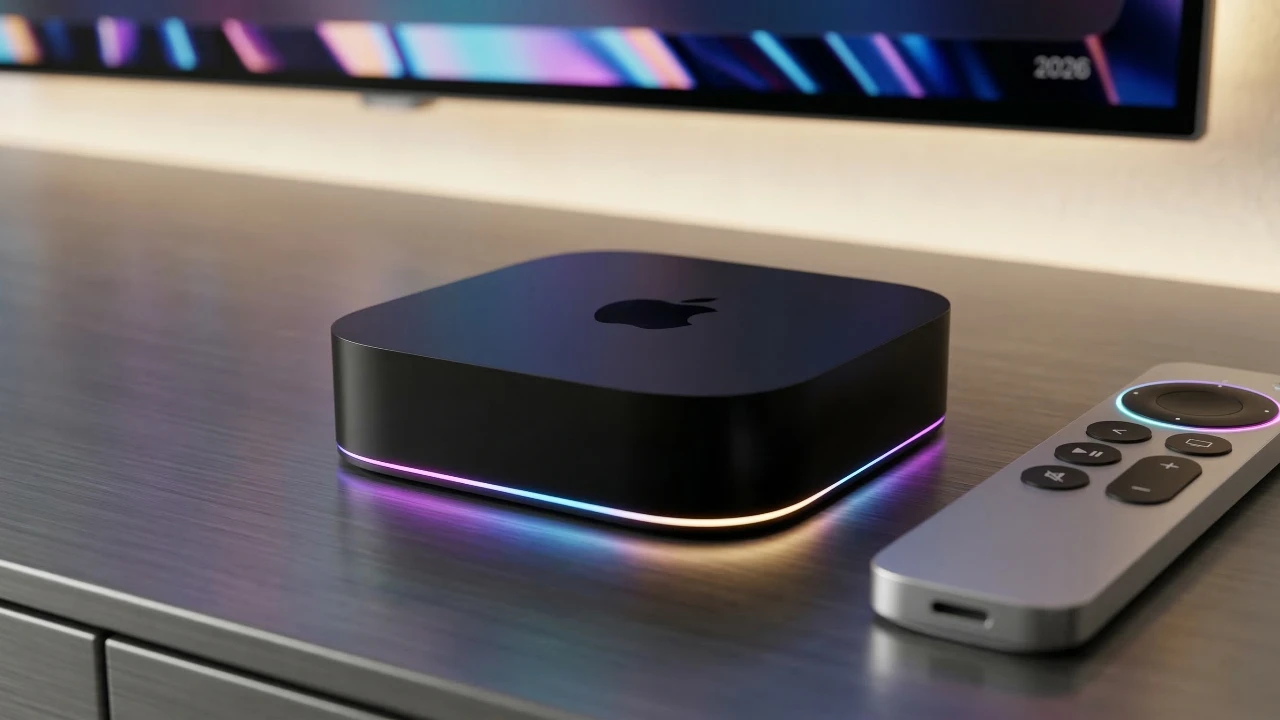
Apple has apparently made a strategic delay in the release of its next-generation Apple TV 4K and HomePod Mini, prioritizing the integration of a significantly upgraded Siri. While the hardware for these devices is complete, the launch has been postponed to align with the debut of a revamped, AI-powered Siri. This updated version, expected to arrive with iOS 27 in late 2026, promises a more conversational and context-aware user experience, aiming to redefine how users interact with Apple’s ecosystem. By synchronizing hardware and software advancements, Apple seeks to deliver a seamless and unified experience across its product lineup. The video below from SaranByte gives more details.
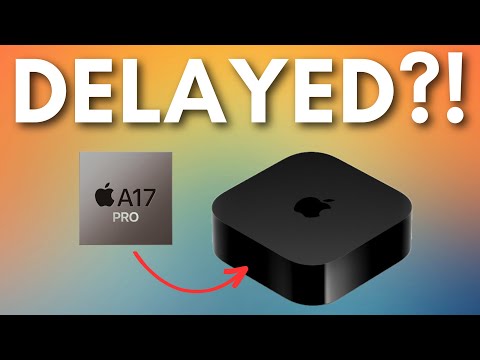
Why the Delay?
The delay is not due to hardware setbacks but rather Apple’s focus on perfecting Siri’s advanced capabilities. The company is working to transform Siri into a smarter, more intuitive assistant capable of understanding natural language and providing contextually relevant responses. This development is central to Apple’s vision of a cohesive smart home ecosystem, where devices like the Apple TV 4K and HomePod Mini act as hubs for AI-driven interactions.
Apple’s decision reflects its commitment to making sure that Siri’s capabilities match the expectations of its users. The updated Siri is expected to handle more complex queries, offer personalized suggestions, and integrate seamlessly with Apple’s ecosystem of devices and services. This approach underscores Apple’s broader strategy of prioritizing software innovation to complement its hardware advancements.
Planned Launch Timeline
Apple plans to unveil the updated Siri alongside iOS 27, which is anticipated to launch in late 2026. This timeline aligns with the release of the iPhone 18 Pro, creating a synchronized rollout of hardware and software. By introducing the Apple TV 4K and HomePod Mini as flagship devices for Siri’s advancements, Apple aims to showcase the potential of its AI-driven technology.
This coordinated launch strategy highlights Apple’s emphasis on delivering a cohesive user experience. The integration of Siri’s new capabilities with the Apple TV 4K and HomePod Mini is expected to set a new standard for smart home devices, reinforcing Apple’s leadership in the AI and smart home markets.
Key Hardware Upgrades for the Apple TV 4K
The upcoming Apple TV 4K will feature several significant hardware enhancements designed to improve performance, connectivity and overall user experience. These upgrades include:
- Processor: The device will transition from the A15 Bionic chip to the A17 Pro chip, delivering faster processing speeds and enhanced support for gaming, streaming and high-performance applications.
- Networking: The inclusion of the N1 networking chipset with Wi-Fi 7 support will enable faster internet speeds, reduced latency and improved integration with smart home devices.
- Design: While the compact black box design remains largely unchanged, the focus is on internal upgrades that enhance functionality rather than external aesthetics.
These hardware improvements are designed to complement Siri’s new capabilities, making sure that the Apple TV 4K delivers a seamless and responsive user experience. By focusing on both performance and connectivity, Apple aims to position the device as a central hub for smart home interactions.
What’s New with Siri?
The updated Siri represents a significant leap forward in Apple’s AI technology, offering a range of new features and improvements designed to enhance the user experience across its ecosystem. Key advancements include:
- Enhanced Smart Home Control: Siri will provide more intuitive control of smart home devices, allowing users to issue natural language commands for tasks such as adjusting lighting, managing thermostats, or playing music.
- Context-Aware Responses: The assistant will deliver smarter, tailored recommendations based on user preferences, habits and contextual factors, such as time of day or location.
- Improved Integration: Siri will work seamlessly across apps and devices, creating a unified experience that simplifies interactions within Apple’s ecosystem.
These advancements aim to position Siri as a leader in AI-driven voice assistants, setting a new benchmark for conversational technology. By focusing on natural language processing and contextual understanding, Apple seeks to make Siri a more reliable and versatile assistant for everyday use.
Market Strategy and Competitive Positioning
To strengthen its competitive edge, Apple is overviewedly considering a price reduction for the new Apple TV 4K, potentially bringing its cost closer to $100. This pricing strategy would make the device more accessible to a broader audience, positioning it as a strong competitor to alternatives from Roku and Amazon.
In addition to pricing, Apple plans to launch the Apple TV 4K, HomePod Mini and other smart home devices simultaneously, presenting a unified vision of its smart home ecosystem. This approach is designed to highlight the integration of Siri’s new capabilities across multiple devices, reinforcing Apple’s commitment to creating a seamless and interconnected user experience.
Challenges on the Horizon
Despite its ambitious plans, Apple faces several challenges as it prepares for the launch of the updated Siri and its accompanying hardware. Engineers are overviewedly working to ensure that Siri meets the reliability and performance standards required for public release. Achieving this level of sophistication in natural language processing and contextual understanding is a complex task that requires extensive testing and refinement.
Another challenge lies in balancing advanced hardware features with a competitive price point. While Apple aims to make the Apple TV 4K more accessible, it must also maintain its premium brand image. Striking this balance will be critical to the success of the device and its positioning in the market.
Apple’s ability to address these challenges will play a significant role in determining the success of its updated Siri and smart home devices. By focusing on both innovation and user experience, Apple aims to overcome these obstacles and deliver a product that meets the expectations of its customers.
Become an expert in Apple TV with the help of our in-depth articles and helpful guides.
- 2026 Apple TV 4K: Everything You Need to Know
- Apple TV 4K 2026: The Definitive Guide
- Why Apple Delayed the Apple TV 4K 2026
- Apple TV 2026: Features, Specs, and Release Date
- 2026 Apple TV 4K: Liquid Glass UI, A17 Pro & More
- Apple TV 4K 2026: Gaming, Connectivity, and More
Source & Image Credit: SaranByte
Disclosure: Some of our articles include affiliate links. If you buy something through one of these links, Geeky Gadgets may earn an affiliate commission. Learn about our Disclosure Policy.
