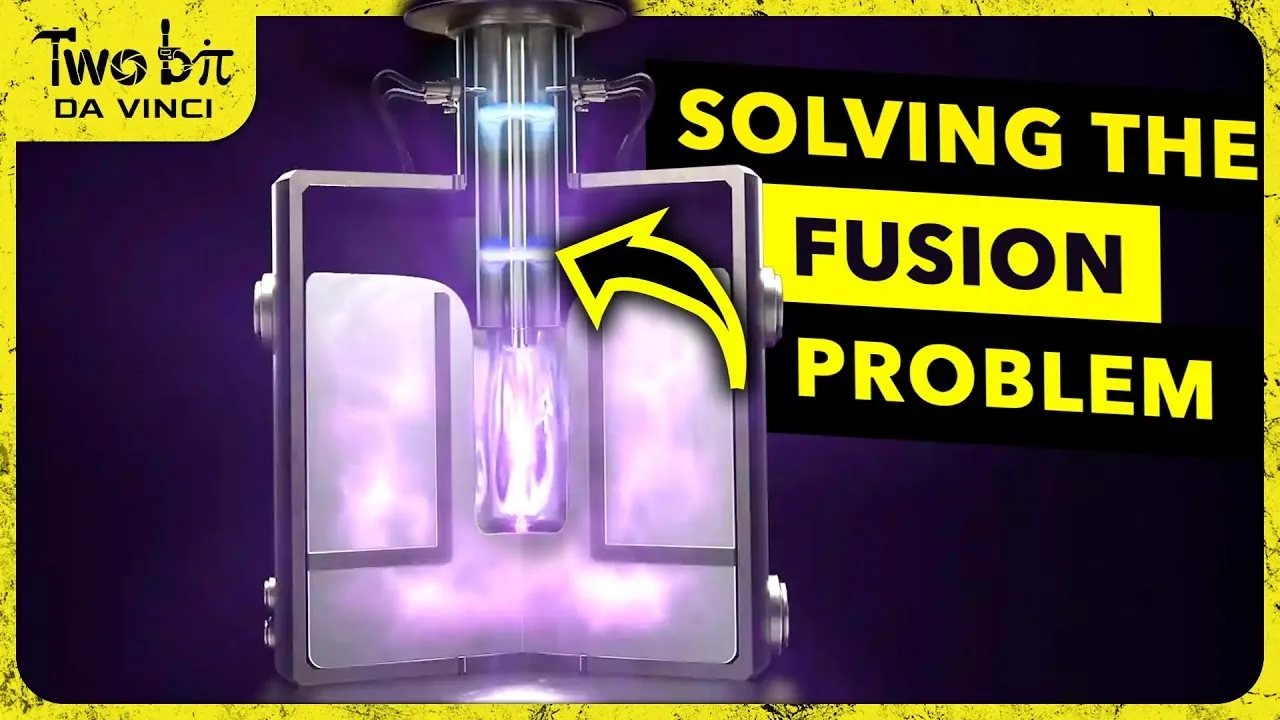
What if the key to solving humanity’s energy crisis has been hiding in plain sight, dismissed for decades as an impossible dream? In this overview, Two Bit da Vinci explores how Zap Energy is rewriting the narrative of nuclear fusion by reviving the once-abandoned Z-pinch method, a technique that could transform how we generate power. Unlike the massive, billion-dollar reactors of traditional fusion projects, Zap Energy’s innovative approach promises a compact, cost-effective solution that eliminates the need for superconducting magnets or high-powered lasers. With breakthroughs in plasma stability and reactor design, this could be the moment fusion energy finally becomes more than just a futuristic promise.
This feature dives into the science and engineering behind Zap Energy’s advancements, from their use of shear flow stabilization to the ingenious design of their liquid metal-walled reactors. You’ll discover how these innovations not only tackle the long-standing problem of plasma instability but also drastically reduce the complexity and cost of fusion systems. Could this be the breakthrough that makes clean, limitless energy a reality? By the end, you’ll have a deeper understanding of why this historic concept, once left for dead, might hold the key to a sustainable energy future.
Zap Energy’s Fusion Breakthrough
TL;DR Key Takeaways :
- Zap Energy is advancing nuclear fusion by reviving the Z-pinch method, a plasma compression technique that eliminates the need for expensive superconducting magnets or lasers, significantly reducing costs and complexity.
- The company has addressed the historical instability issues of Z-pinch technology through shear flow stabilization, which enhances plasma confinement and enables more consistent fusion reactions.
- Zap Energy’s innovative reactor design features compact, modular systems with liquid metal walls that act as electrodes, radiation shielding, coolant, and tritium breeders, while also being self-healing and durable.
- The cost-effectiveness of Zap Energy’s approach, with prototypes costing around $1 million, makes fusion energy more accessible and allows for decentralized energy production in smaller or remote locations.
- While significant progress has been made, challenges remain, including the development of high-current power electronics for rapid electrical pulses, which are essential for scaling the technology to achieve commercial viability.
Transforming Fusion with Z-Pinch Technology
Zap Energy’s approach is centered on the Z-pinch method, a plasma compression technique that uses self-generated magnetic forces. When a high-current electrical pulse flows through plasma, it generates a magnetic field that compresses the plasma to the extreme temperatures and pressures required for fusion. Unlike traditional methods, such as tokamaks or laser-based inertial confinement, Z-pinch eliminates the need for expensive superconducting magnets or high-powered lasers, significantly reducing costs and complexity.
Historically, Z-pinch was abandoned in the 1950s due to plasma instability. Without stabilization, the plasma would develop kinks and distortions, disrupting confinement and halting fusion reactions. Zap Energy’s breakthrough lies in solving this instability through a technique known as shear flow stabilization, which has breathed new life into this once-dismissed technology.
The Role of Shear Flow Stabilization
Shear flow stabilization is a technique that uses carefully controlled plasma flows to counteract instabilities. By managing the velocity profile of the plasma, Zap Energy has extended its confinement time, allowing fusion reactions to occur more consistently. This innovation directly addresses the primary weakness of Z-pinch technology and represents a critical step toward achieving net energy gain.
Stabilizing plasma is essential for any fusion reactor. Without stability, energy losses exceed energy production, rendering the process unsustainable. Zap Energy’s approach not only enhances plasma stability but also simplifies reactor design, reducing both operational complexity and costs. This dual benefit positions Z-pinch as a promising alternative to more traditional fusion methods.
Solving Fusion’s Biggest Problem

Uncover more insights about energy technology in previous articles we have written.
- Onshore Wave Energy: A Sustainable Solution to Harness Ocean
- How Regenerative Tech is Reducing Energy Waste and Costs
- What Is Fusion Energy? The Future of Clean Power Explained
- amphiro b1 Energy Tracker And Smart Meters For The Shower (video)
- Magnic Bike Lights Create Energy Using Magnet Powered Dynamos
- Samsung SmartThings Energy launched in the UK
- Natrium Reactors : Bill Gates’ Vision for Clean Nuclear Energy
- Ecoflow Stream DIY Plug-And-Play Solar Panels
- Bloom Box Clean Energy Fuel Cell
- World of Warcraft Mana Potions give you an energy boost
Innovative Reactor Design and Its Advantages
Zap Energy’s reactor design is compact, efficient, and highly innovative. Standing just three meters tall, the reactor incorporates liquid metal walls made from a lead-lithium alloy. These walls serve multiple critical functions:
- Act as electrodes for the Z-pinch process, allowing plasma compression.
- Provide radiation shielding to protect the reactor’s structural integrity.
- Function as a coolant, dissipating the intense heat generated during fusion reactions.
- Breed tritium, a vital fuel for sustaining fusion reactions.
The liquid metal walls also possess self-healing properties, allowing them to withstand the intense neutron bombardment produced during fusion. This durability reduces wear and tear on the reactor, extending its operational lifespan and lowering maintenance costs. The compact design further enhances efficiency, allowing modular construction and deployment in decentralized locations.
Cost-Effectiveness and Accessibility
One of the most compelling aspects of Zap Energy’s approach is its cost-effectiveness. Traditional fusion projects, such as ITER, rely on superconducting magnets and massive infrastructure, with costs running into billions of dollars. In contrast, Zap Energy’s prototypes are estimated to cost around $1 million, making fusion energy far more accessible.
By eliminating the need for superconducting magnets and lasers, Zap Energy reduces the capital costs of building a reactor by over 90%. The compact and modular design allows reactors to be factory-built and shipped to deployment sites, significantly reducing construction times. This modularity has the potential to decentralize energy production, allowing smaller communities, industries, and even remote locations to generate their own power.
Progress and Remaining Challenges
Zap Energy has made significant progress with its current reactor, Fuse 3, which operates at 500,000 amps. The company’s next milestone is reaching 650,000 amps, a critical threshold for achieving net energy gain (Q=1), where the energy produced equals the energy input. Their ultimate goal is to achieve Q=30, a level of efficiency necessary for commercial viability.
However, challenges remain. A key obstacle is the development of high-current power electronics capable of repetitive switching at 10 Hz. These systems are essential for maintaining the rapid electrical pulses required for the Z-pinch process. Overcoming this hurdle will be crucial for scaling the technology and making sure consistent performance in commercial applications.
Reviving a Historic Concept with Modern Innovations
The Z-pinch method was one of the earliest approaches to nuclear fusion, first explored in the 1950s. However, instability issues led researchers to abandon it in favor of other methods, such as tokamaks and laser-based systems. Zap Energy is reviving this historic concept by using advanced computational tools and modern engineering techniques. These innovations enable precise modeling and control of plasma behavior, addressing the limitations that stymied earlier efforts.
By combining the simplicity of Z-pinch with innovative technology, Zap Energy is not only revisiting a historic idea but also reimagining its potential for the future. Their work demonstrates how modern advancements can breathe new life into concepts once thought unfeasible.
The Path Toward a Fusion-Powered Future
If successful, Zap Energy’s technology could reshape the global energy landscape. The ability to produce small, deployable fusion reactors would decentralize energy production, reducing reliance on massive, centralized power plants. This provide widespread access tod approach to energy could make fusion accessible to a broader range of users, from industrial facilities to remote communities.
The scalability of Zap Energy’s reactors offers a clear path to widespread adoption. By manufacturing reactors in factories and shipping them to deployment sites, the company could significantly reduce construction times and costs. This approach aligns with the growing demand for flexible, sustainable energy solutions, positioning fusion as a viable alternative to fossil fuels and other renewable energy sources.
Zap Energy’s advancements in Z-pinch technology, shear flow stabilization, and reactor design represent a significant step forward in the pursuit of fusion energy. By addressing the historical challenges of plasma instability and high costs, they are paving the way for a new era of compact, affordable, and accessible fusion reactors. While technical hurdles remain, the potential impact of their work is immense, offering a cleaner, more sustainable energy future for the world.
Media Credit: Two Bit da Vinci
Disclosure: Some of our articles include affiliate links. If you buy something through one of these links, Geeky Gadgets may earn an affiliate commission. Learn about our Disclosure Policy.
