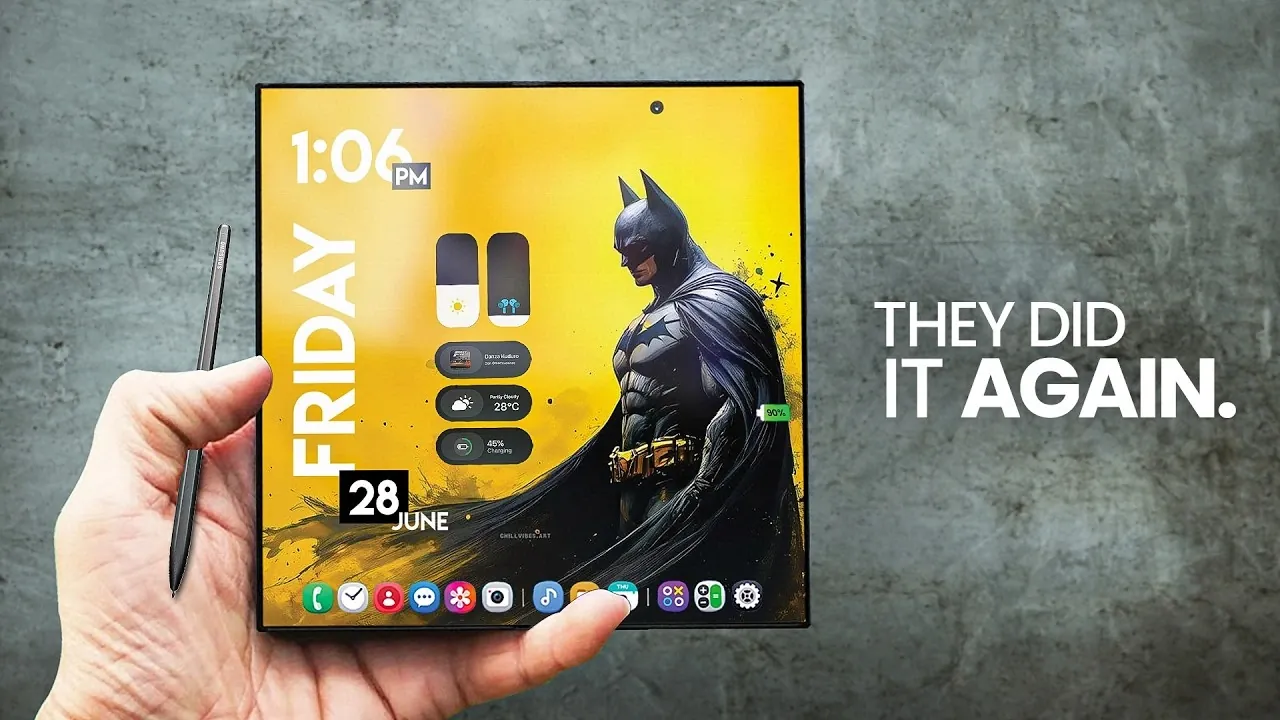
Samsung’s decision to introduce “Ultra” branding to its Galaxy Z Fold 8 lineup has sparked widespread debate. By rebranding the standard Z Fold 8 as the “Z Fold 8 Ultra” and introducing a wider form factor as the regular Z Fold 8, the company has taken a bold and calculated step. This move raises critical questions about Samsung’s branding strategy, hardware innovation, and market positioning. Is this a confident leap forward, or a reactive maneuver in anticipation of Apple’s rumored iPhone Ultra?

The Motivation Behind the “Ultra” Branding
Samsung’s use of “Ultra” branding is not new, but its application to the Galaxy Z Fold 8 lineup marks a significant shift in strategy. The Z Fold 8 Ultra now stands as the flagship foldable device, while the regular Z Fold 8, with its wider form factor, takes on a secondary role. This rebranding appears to be a preemptive attempt to establish dominance in the premium foldable market, particularly as Apple is rumored to be preparing its own iPhone Ultra.
However, this timing could prove problematic. Apple’s strong brand equity and its ability to define consumer perceptions may overshadow Samsung’s efforts. If consumers begin to associate “Ultra” more with Apple than Samsung, the latter’s branding strategy could lose its intended impact. The challenge lies in whether Samsung can truly differentiate its devices and make the “Ultra” label synonymous with innovation.
Branding Strategy: A Double-Edged Sword
Samsung’s decision to adopt “Ultra” branding for the Z Fold 8 lineup is a calculated risk aimed at positioning itself as a direct competitor to Apple. However, this approach is fraught with potential pitfalls:
- The “Ultra” label sets high expectations for performance, design, and innovation. If the Z Fold 8 Ultra fails to meet these expectations, it could damage Samsung’s reputation.
- The decision to limit production of the regular Z Fold 8 to just one million units globally suggests uncertainty about its mass-market appeal, which could undermine consumer confidence.
While the branding strategy may attract attention, it risks alienating consumers if the devices fail to deliver the premium experience that the “Ultra” name implies. Samsung must ensure that its products live up to the promise of the branding to avoid disappointing its audience.
Hardware Limitations: Falling Short of “Ultra” Expectations
The Z Fold 8 Ultra’s hardware struggles to justify its elevated branding. While the regular Z Fold 8 introduces a wider form factor that enhances usability, the Ultra model offers only incremental improvements rather than new advancements. Key shortcomings include:
- Persistent issues with the display crease, despite Samsung previously showcasing prototypes with creaseless display technology.
- Compromises in portability and ergonomics due to the wider form factor, which may deter users who prioritize convenience.
For a device marketed as “Ultra,” these limitations are particularly glaring. Consumers expect innovative innovation and performance from an “Ultra” product and the Z Fold 8 Ultra falls short of delivering on these fronts. This raises questions about whether Samsung has overpromised and underdelivered with its latest flagship.
Market Positioning and Production Strategy
Samsung’s market strategy for the Z Fold 8 lineup sends mixed signals. By pricing the regular Z Fold 8 below the Ultra model, the company aims to attract a broader audience while maintaining a premium tier for its flagship. However, the limited production run of the standard model contradicts this goal. Instead of broadening its appeal, this approach creates an impression of exclusivity that could alienate potential buyers.
In contrast, Apple is reportedly preparing for significantly higher production volumes of its iPhone Ultra, signaling greater confidence in its product and market strategy. This disparity highlights a potential miscalculation on Samsung’s part, as it risks losing ground to Apple in the premium segment.
Criticism and Consumer Expectations
Critics have been quick to point out that the Z Fold 8 lineup does not fully meet consumer expectations for an “Ultra” device. The Z Fold 8 Ultra, despite its name, lacks the innovative features that would justify its branding. Some industry observers argue that Samsung’s Z Trifold concept, which represents its most advanced foldable technology, would have been a more appropriate candidate for the “Ultra” designation.
Additionally, inconsistencies in Samsung’s naming conventions, particularly when compared to the Galaxy S27 series, further complicate the brand narrative. This inconsistency risks confusing consumers and diluting the impact of the “Ultra” label, making it harder for Samsung to establish a clear identity for its foldable lineup.
The Competitive Landscape: Apple’s Shadow Looms
Samsung’s decisions regarding the Z Fold 8 lineup appear heavily influenced by Apple’s branding and market strategies. While the rush to establish “Ultra” branding may seem proactive, it risks overshadowing the actual quality and innovation of the devices. Apple’s rumored iPhone Ultra is expected to set a new benchmark for premium smartphones and Samsung faces mounting pressure to prove that its foldable devices can compete in this space.
The success of the Z Fold 8 lineup will depend on Samsung’s ability to deliver on its branding promises and differentiate its products in an increasingly competitive market. Without significant advancements in hardware and design, Samsung risks falling behind in the race for dominance in the premium foldable segment.
A Bold Strategy with Uncertain Prospects
Samsung’s introduction of “Ultra” branding to the Galaxy Z Fold 8 lineup reflects an ambitious attempt to solidify its position in the foldable smartphone market. However, the strategy raises critical questions about the company’s confidence in its products, its branding approach and its ability to compete with Apple.
While the Z Fold 8 Ultra and its wider counterpart offer incremental improvements, they fail to deliver the fantastic advancements that consumers expect from an “Ultra” device. As the foldable market continues to evolve, Samsung must address these shortcomings to maintain its leadership and meet the rising expectations of its audience. The coming months will reveal whether this bold strategy pays off or becomes a cautionary tale in branding and innovation.
Find more information on Samsung Galaxy Z Fold 8 by browsing our extensive range of articles, guides and tutorials.
- Samsung Finally Fixed It: The Galaxy Z Fold 8 Wide Ditches the Narrow Screen
- The Crease is Finally Gone: Samsung’s New ‘Dual-Layer’ Glass Tech for the Galaxy Z Fold 8
- Samsung Finally Fixed the Fold: First Look at the Z Fold 8 Wide Design
- Samsung Galaxy Z Fold 8 ‘Wide’ Leak: A New 200g Design to Counter the iPhone Fold
- Samsung Galaxy Z Fold 8 Surprise: The ‘Wide’ Model is Finally Real
Source & Image Credit: Techtics
Disclosure: Some of our articles include affiliate links. If you buy something through one of these links, Geeky Gadgets may earn an affiliate commission. Learn about our Disclosure Policy.
