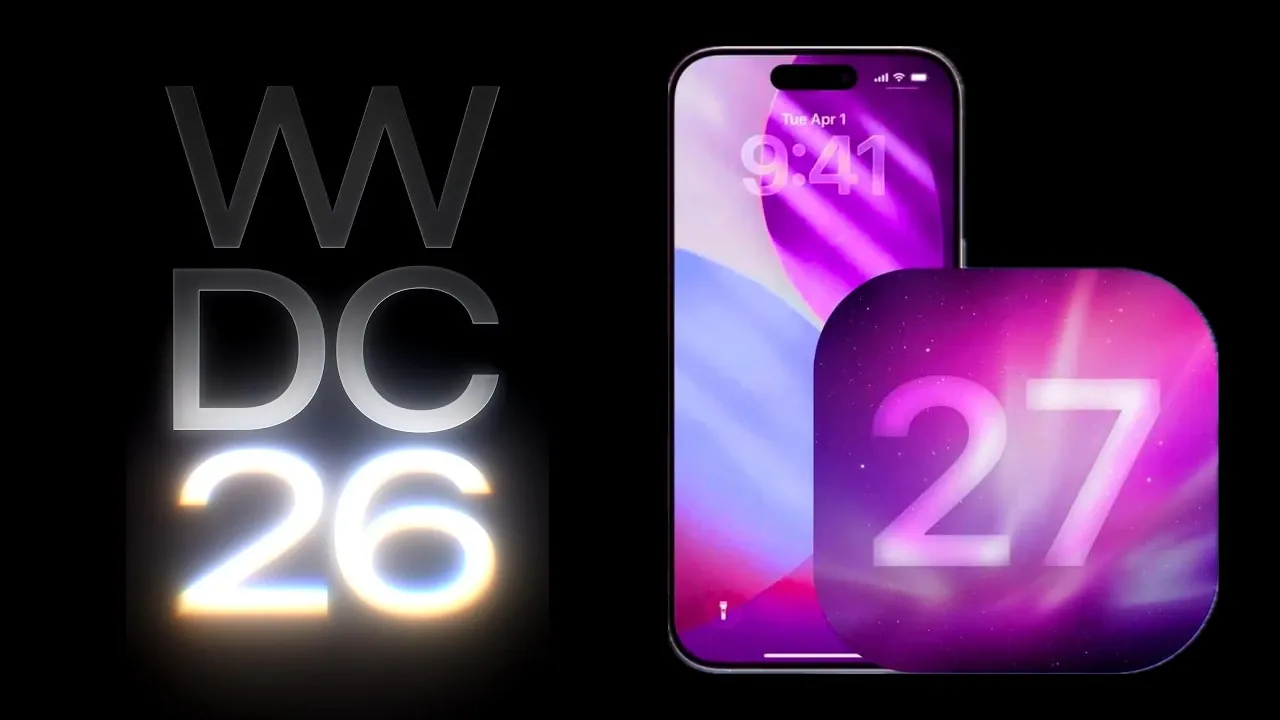
Apple has officially confirmed that its Worldwide Developers Conference (WWDC) 2026 will take place from June 8 to June 12. This year’s event signals a strategic shift, with a strong emphasis on stability, performance, and reliability. While previous years often highlighted flashy new features, Apple appears to be taking a more measured approach with iOS 27 and updates for macOS, iPadOS, watchOS, tvOS, and visionOS. This focus aims to address long-standing user frustrations and enhance the overall software experience, reflecting Apple’s commitment to quality and dependability.

What’s on the Agenda for WWDC 2026?
The keynote event on June 8 will unveil Apple’s vision for its next-generation software. iOS 27 is expected to be the centerpiece of the announcements, alongside updates to macOS 27, watchOS 27, and other platforms. Apple has hinted at a “stability-first” philosophy, drawing comparisons to the well-regarded iOS 12 and macOS Snow Leopard releases, which prioritized performance improvements over introducing new features. This approach suggests a deliberate effort to refine the user experience and address persistent software issues.
In addition to software updates, WWDC 2026 will likely include sessions for developers to explore new tools, APIs and best practices. These sessions are critical for making sure that third-party apps align with Apple’s renewed focus on stability and performance.
iOS 27: Aiming to Fix Long-Standing Issues
For users frustrated by the shortcomings of iOS 26, iOS 27 promises to deliver meaningful improvements. Apple is targeting several persistent issues that have impacted the user experience, including:
- Stuttering animations and app freezes
- Inconsistent notification delivery
- Unreliable battery performance
- Autocorrect inaccuracies
- Background app misbehavior
- Keyboard glitches
By addressing these pain points, Apple aims to provide a smoother and more reliable experience across all supported devices. This renewed focus on stability reflects Apple’s acknowledgment of user concerns and its commitment to delivering software that meets high standards of quality. The improvements in iOS 27 could also set a precedent for future updates, emphasizing refinement over rapid feature expansion.
AI Enhancements and a New Siri Experience
While stability is the cornerstone of iOS 27, Apple is also introducing notable advancements in artificial intelligence. Siri, the company’s virtual assistant, is undergoing a significant redesign to adopt a chatbot-style interface. This new interface will enable more personalized and context-aware interactions, making Siri more intuitive and useful in everyday scenarios.
Apple’s AI strategy focuses on practical, user-friendly enhancements rather than overwhelming complexity. The redesigned Siri aims to provide seamless integration with apps and services, offering users a more natural and efficient way to interact with their devices. These AI-driven improvements complement the broader stability-focused updates, making sure that innovation does not come at the expense of reliability.
Why Stability Matters: Addressing User Concerns
The release of iOS 26 was met with criticism due to its inconsistent performance and unresolved bugs. Users reported issues such as erratic notification delivery, poor autocorrect functionality and unpredictable background app behavior. These problems not only caused frustration but also led to lower adoption rates, as many users hesitated to upgrade.
With iOS 27, Apple is taking a proactive approach to rebuild user trust. By directly addressing these concerns, the company aims to restore confidence in its software ecosystem. This stability-first approach is not just about fixing bugs, it’s about making sure that users can rely on their devices to perform consistently and efficiently in their daily lives.
Device Compatibility and Beta Testing
Apple’s commitment to inclusivity is evident in its decision to support all devices currently running iOS 26 with the iOS 27 update. This includes older models like the iPhone 11, making sure that a broad range of users can benefit from the improvements. Backward compatibility remains a key aspect of Apple’s software strategy, allowing users to enjoy the latest updates without needing to upgrade their hardware.
Developer beta testing for iOS 27 will begin shortly after WWDC, with a public beta release planned for later in the summer. These beta phases are essential for identifying and resolving any lingering issues before the official release. By involving both developers and the public in the testing process, Apple is reinforcing its commitment to delivering a polished and reliable update.
Apple’s Long-Term Strategy: Rebuilding Trust
Apple’s decision to prioritize performance and reliability over headline-grabbing features reflects a broader strategy to rebuild trust with its user base. Recent updates have faced criticism for introducing new features at the expense of stability, leading to dissatisfaction among users. With iOS 27, Apple is signaling a shift toward a more balanced approach that prioritizes core functionality and user experience.
This strategy has the potential to redefine how Apple develops and delivers software in the future. By focusing on stability and addressing user concerns, the company is setting a new standard for software quality. If successful, this approach could strengthen Apple’s reputation as a provider of dependable, high-quality technology.
WWDC 2026 represents a pivotal moment for Apple as it seeks to restore faith in its software ecosystem. The emphasis on stability, combined with thoughtful innovation, underscores the company’s commitment to delivering software that not only meets but exceeds user expectations. Whether this approach will fully satisfy users remains to be seen, but it marks a clear and promising step in the right direction.
Gain further expertise in WWDC 2026 by checking out these recommendations.
- Apple 2026 Product Lineup: Foldable iPhones, AI & More
- iOS 27 Release Date, Features and Innovations
- iOS 26.4 RC: New Features, Fixes and March 2026 Release Date
- 2026 Mac Mini M5 Leaks: Specs, Features and Release Date
- Apple Event March 2026: iPhone 17e, MacBooks & More
Source & Image Credit: SaranByte
Disclosure: Some of our articles include affiliate links. If you buy something through one of these links, Geeky Gadgets may earn an affiliate commission. Learn about our Disclosure Policy.
