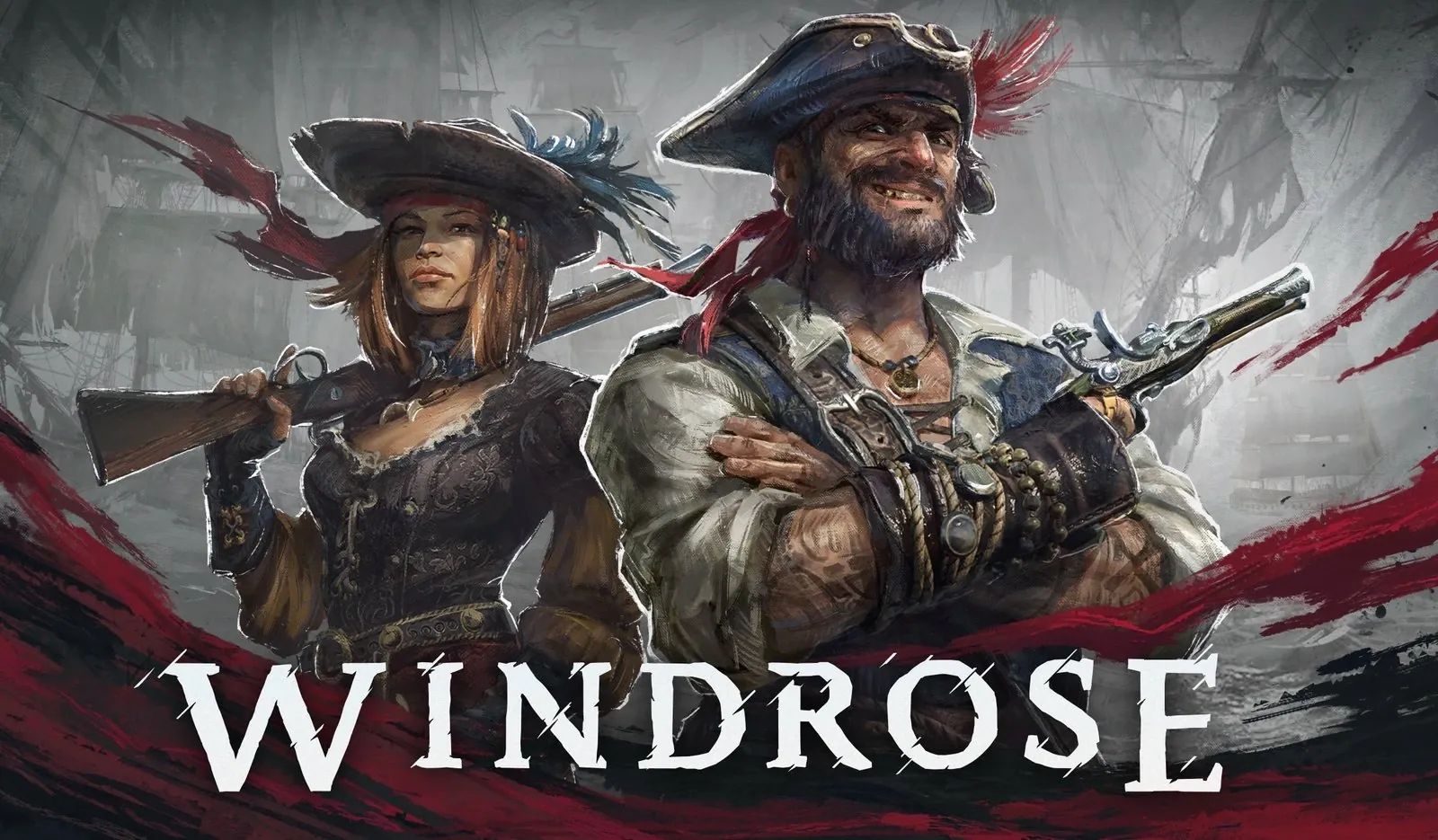
Ubisoft’s long-anticipated Skull and Bones has faced significant challenges, from repeated delays to lukewarm reception, despite its massive budget and years of development. In stark contrast, the indie title Windrose, created by the 60-person team at Kraken Express, has emerged as a standout success. With over 1 million Steam wishlists and a peak of 70,000 concurrent players, Windrose has captivated audiences by blending sailing, exploration and survival mechanics into a cohesive and engaging experience. Veteran Joystick explores how this indie game’s player-focused design philosophy has resonated with gamers, while Ubisoft’s approach has left many feeling disconnected.
Discover how Kraken Express prioritized player engagement through meaningful gameplay choices, earning Windrose an 88% positive review score on Steam. Gain insight into the pitfalls of AAA development, including Skull and Bones’* reliance on microtransactions and repetitive mechanics. Finally, understand the broader industry shift as indie studios challenge traditional publishing models, offering fresh perspectives on what makes a game truly memorable.
What Sets Windrose Apart as a Standout Success?
TL;DR Key Takeaways :
- Indie studios like Kraken Express are challenging AAA publishers with innovative, player-focused games like Windrose, which achieved over 1 million Steam wishlists and 88% positive reviews.
- Ubisoft’s Skull and Bones struggled due to uninspired design, lack of core pirate gameplay and overemphasis on microtransactions, resulting in a poor Metacritic user score of 3.3.
- Indie developers prioritize creativity and player engagement over aggressive monetization, leading to critical and commercial success, as seen with Windrose and other indie titles.
- AAA publishers face systemic challenges, including risk-averse strategies, “development by committee,” and reliance on monetization models, which often alienate players.
- The gaming industry’s future is shifting toward passion-driven development, with indie studios leading the way in delivering innovative and meaningful gaming experiences.
Windrose, developed by a dedicated 60-person team at Kraken Express, has captivated players worldwide with its immersive gameplay and attention to detail. The game seamlessly combines sailing, combat, exploration and base-building mechanics, creating a pirate survival experience that resonates deeply with its audience.
Several key achievements underline the game’s success:
- Over 1 million Steam wishlists before its official launch.
- A peak of 70,000 concurrent players shortly after release.
- An impressive 88% positive review score on Steam.
The success of Windrose can be attributed to its player-first design philosophy. Kraken Express focused on creating a game they were passionate about, prioritizing player engagement and satisfaction over aggressive monetization strategies. This approach has not only earned the studio critical acclaim but also a loyal and growing fanbase. The game stands as a testament to how passion-driven development can achieve both commercial success and community appreciation.
Why Did Ubisoft’s Skull and Bones Struggle?
In stark contrast, Ubisoft’s Skull and Bones has become a cautionary tale of AAA development pitfalls. Initially conceived in 2013 as a multiplayer expansion for Assassin’s Creed: Black Flag, the project eventually evolved into a standalone live-service game. Despite a reported budget of $650–850 million and the involvement of over 6,800 developers, the game has failed to resonate with players. Several factors contributed to its underwhelming reception:
- A noticeable lack of core pirate gameplay elements, leaving players feeling disconnected from the theme.
- Uninspired design and repetitive mechanics that failed to engage players.
- An overemphasis on microtransactions, which alienated the community.
The game’s Metacritic user score of 3.3 reflects widespread disappointment. Many players criticized the game for prioritizing monetization over delivering a compelling and enjoyable experience. This outcome underscores the risks of focusing on profit-driven strategies at the expense of innovation and player satisfaction.

Find more information on gaming systems by browsing our extensive range of articles, guides and tutorials.
- Most Powerful 8.8-Inch Android Tablet: Legion Y700 Gen 5
- Is the M5 Pro MacBook Pro a Gaming Laptop?
- $1400 Gaming PC vs $1400 Handheld : Gaming Performance Compared
- Steam Machine : Early 2026 Release Date, Prices, Specs & OS Features
- Budget SteamOS Mini PC for Living Room Gaming and Streaming
- Mini-ITX Motherboard for SFF Rigs with 500W Flex PSU Guidance
- MacBook Neo Review: A18 Performance, 8GB RAM Cap & Cyberpunk 2077 Results
- Steam Games on Phone: Valve’s Native ARM Path Explained
- Budget Gaming PC Guide : Low-Cost PC Hits 80+ FPS in Big Titles
- Steam Machine Pricing Tipped at $600 to $650 with Supply Tight
Indie Studios vs. AAA Publishers: The Growing Divide
The success of Windrose is part of a broader trend in the gaming industry, where indie studios are thriving by rejecting live-service models and focusing on delivering unique, player-centric experiences. Other indie titles, such as Witchfire and Expedition 33, further illustrate the ability of smaller teams to create memorable and impactful games.
In contrast, AAA publishers often rely on formulaic approaches designed to minimize financial risk. This strategy frequently results in games that feel uninspired and overly focused on monetization. As a result, many players are increasingly turning to indie games for fresh and engaging content. Titles like Crimson Desert and Clare Obscure exemplify the growing appeal of creativity-driven development, where the focus is on innovation and meaningful gameplay.
Challenges Facing AAA Game Development
The struggles of AAA publishers are rooted in systemic issues within their development processes. Large-scale projects often suffer from “development by committee,” where creative decisions are diluted by layers of corporate oversight. This approach stifles innovation and can lead to games that fail to connect with their intended audience.
Additionally, the heavy reliance on monetization frameworks, such as microtransactions and live-service models, has eroded player trust. Even industry veterans, such as Conrad Tomaszkiewicz, known for his work on The Witcher 3, have openly criticized the profit-driven nature of AAA development. Many of these developers are now gravitating toward independent projects, drawn by the creative freedom and agility that smaller teams offer.
The Future of Gaming: Creativity at the Forefront
The gaming industry is undergoing a transformation as players increasingly support indie studios that prioritize creativity and respect for their audience. The success of Windrose and similar titles demonstrates that a player-first approach can yield significant financial and community rewards.
While AAA publishers may eventually adapt to these changing dynamics, their current focus on profit-driven strategies leaves them vulnerable to disruption. As indie successes continue to reshape the market, the industry may witness a renewed emphasis on passion-driven development and innovative design. For players, this shift promises a future filled with games that prioritize engagement, creativity and meaningful experiences.
Media Credit: Veteran Joystick
Disclosure: Some of our articles include affiliate links. If you buy something through one of these links, Geeky Gadgets may earn an affiliate commission. Learn about our Disclosure Policy.
