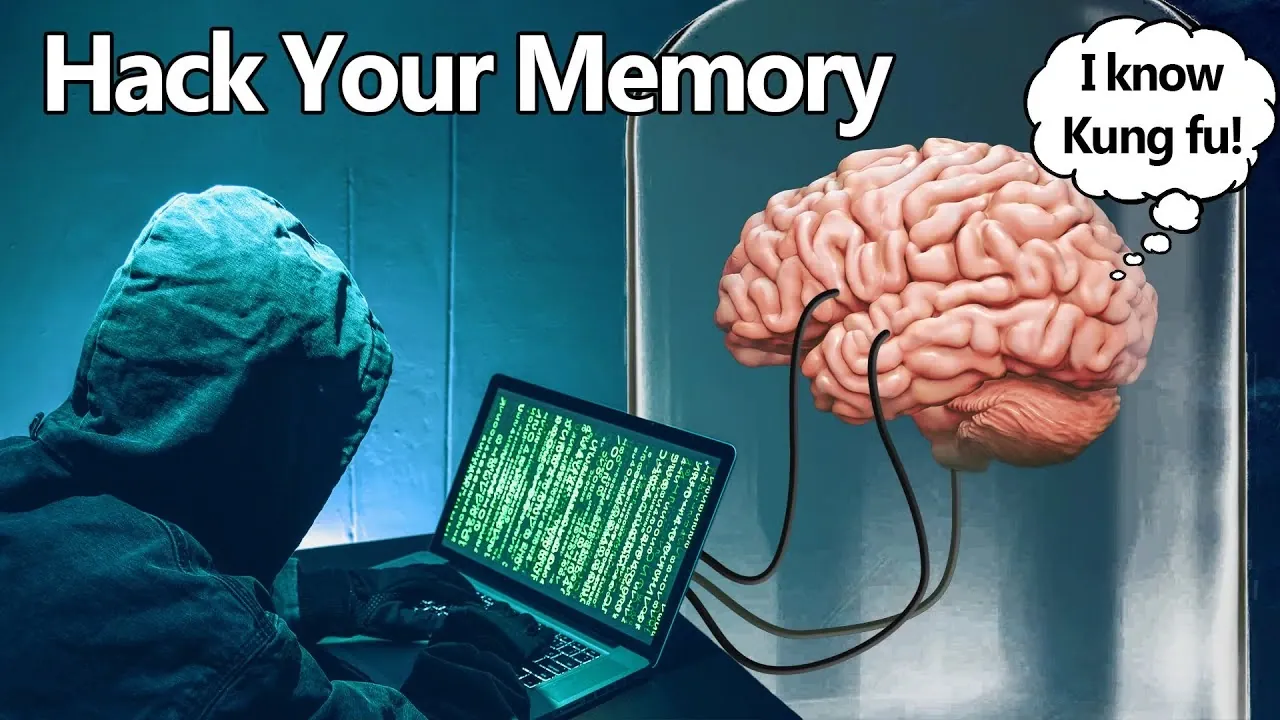
Have you ever walked into a room and forgotten why you were there? Or struggled to recall a key detail during an important conversation? Memory lapses like these can feel frustrating, even inevitable, but what if they weren’t? What if a simple, almost effortless technique could transform the way you remember everything, from daily tasks to life’s most critical details? It might sound like a bold claim, but harnessing the brain’s natural preferences for vivid imagery and spatial organization can unlock memory potential you didn’t even know you had. This isn’t about gimmicks or shortcuts, it’s about working with your brain, not against it, to make remembering feel almost automatic.
In this coverage, the Thought Emporium uncover how techniques like visualization and the “memory palace” can transform the way you store and retrieve information. Imagine being able to memorize a complex grocery list without writing it down or recalling an entire speech with ease. These methods, rooted in the brain’s natural tendencies, don’t just improve memory, they foster creativity, focus, and mental clarity. Whether you’re a student, a professional, or simply someone looking to sharpen your mind, the strategies explored here offer practical, adaptable solutions for everyday life. What could you achieve if your memory worked for you instead of against you?
Boost Your Memory Skills
TL;DR Key Takeaways :
- Memory can be enhanced using techniques like visualization and spatial association, which align with the brain’s natural tendencies to prioritize vivid and engaging stimuli.
- The “memory palace” method involves creating a mental space to store and organize information, making recall easier by associating data with familiar locations.
- Visualization, using absurd or emotionally engaging imagery, is a powerful tool for making abstract or mundane information more memorable.
- These techniques have practical applications in everyday life, such as memorizing lists, preparing for exams, improving public speaking, and managing tasks without external aids.
- While effective for many, these methods may not work for everyone (e.g., individuals with aphantasia) and are best used as complementary tools alongside deep learning and comprehension.
How Your Brain Processes Memory
The human brain is an extraordinary organ, capable of processing and storing vast amounts of information. However, it doesn’t treat all data equally. Your brain naturally prioritizes spatial and visual details, often discarding abstract or less engaging information. This selective retention is rooted in how the brain processes sensory input, favoring vivid and emotionally engaging stimuli. By understanding these natural tendencies, you can train your memory to function more efficiently, aligning your learning strategies with the way your brain works best.
Harnessing Visualization for Better Recall
Visualization is one of the most effective tools for improving memory. By associating abstract ideas with vivid, unusual, and personalized imagery, you can make information more memorable. For example, if you need to remember a list of items such as a hairbrush and soy sauce, imagine a giant hairbrush dripping with soy sauce. The absurdity of this mental image makes it more likely to stick in your mind. This technique works because your brain is wired to remember unusual and emotionally engaging visuals, which stand out against the backdrop of ordinary information.
Visualization also encourages creativity, allowing you to form unique mental connections that make recall easier. Whether you’re memorizing a speech, a set of instructions, or a sequence of events, creating mental images that are both vivid and meaningful to you can significantly enhance your ability to remember.
Simple Memory Trick for Studying, Lists & Everyday Recall

Here are more detailed guides and articles that you may find helpful on improving your memory.
- How the Quadrant Note Taking System Enhances Memory
- Boost Your iPhone’s Performance: Clear Memory on iOS 18
- JARVIS-1 AI assistants feature self-Improving memory and vision
- How Infinite AI Memory Will Transform Industries by 2025
- How to Clear iPhone RAM in iOS 26 for Better Performance
- How to Easily Solve Claude Code’s Memory Management Issues
- The Benefits of Mind Mapping : Boost Memory and Critical Thinking
- Perrio Learning System helps you learn anything faster
- How to Use ChatGPT Memory for Personalized AI Responses
- Advanced Windows 11 registry tweaks to improve PC performance
The Memory Palace: A Proven Strategy
The memory palace is a time-tested technique for organizing and recalling information. This method involves creating a mental space—such as your home, a familiar route, or even an entirely imaginary setting, where you can store information. Each location or object within this space is linked to a specific piece of data. For example:
- Place a historical fact on your kitchen table.
- Store a mathematical formula on your living room couch.
- Assign a grocery list item to a specific corner of your hallway.
By mentally walking through this space, you can retrieve the information with ease. The familiarity of the setting serves as an anchor, helping you recall the data more effectively. This technique is particularly useful for memorizing large amounts of information, such as speeches, academic content, or sequential data.
The memory palace is not only versatile but also adaptable to individual preferences. You can design your mental space in a way that resonates with you, making it a highly personalized and effective tool for memory enhancement.
Real-World Applications
Memory techniques like visualization and the memory palace can be applied to a wide range of real-world scenarios. These methods are not limited to academic or professional settings; they can also simplify everyday tasks. Practical applications include:
- Memorizing grocery lists or to-do lists without relying on written notes.
- Preparing for exams by categorizing academic content into mental “rooms.”
- Learning a deck of cards, historical dates, or other sequential information.
- Improving public speaking by organizing key points into a mental structure.
The key to success lies in creating unique and memorable cues that resonate with your personal experiences and preferences. Whether you’re a student preparing for exams, a professional delivering presentations, or someone managing daily tasks, these strategies can make a noticeable difference in your ability to recall information quickly and accurately.
Strengths and Limitations
Regular practice of these techniques can lead to significant improvements in memory and overall cognitive abilities. They encourage mental discipline, creativity, and focus, which can enhance your problem-solving skills and critical thinking. However, it’s important to recognize that these methods may not work for everyone. For instance, individuals with aphantasia—a condition where mental visualization is difficult or impossible, might find visualization-based techniques challenging. In such cases, alternative strategies like verbal repetition or auditory association may be more effective.
Additionally, while these techniques can improve memory for specific tasks, they are not a substitute for understanding or deep learning. They are tools to complement your cognitive abilities, not replace the need for comprehension or critical analysis.
Why These Techniques Matter
Memory techniques like visualization and the memory palace highlight the brain’s adaptability and untapped potential. In a world increasingly reliant on external tools such as artificial intelligence and digital devices, developing your natural cognitive abilities can be both empowering and rewarding. These methods encourage a deeper connection with your own mental processes, fostering a sense of independence and self-reliance.
Moreover, these strategies promote lifelong learning and mental resilience. By training your brain to retain and organize information more effectively, you can enhance your ability to adapt to new challenges, learn new skills, and stay mentally sharp as you age. These techniques are not just about improving memory; they are about unlocking a deeper understanding of how your mind works and using that knowledge to your advantage.
Getting Started: Practice Makes Perfect
Improving your memory is a gradual process that requires consistent effort and creativity. Start small by experimenting with visualization for simple tasks, such as remembering a short list or recalling a specific detail. Gradually, you can expand your use of these techniques to more complex challenges, such as organizing a speech or studying for an exam.
The key to success is persistence and adaptability. As you practice, you’ll refine your approach and discover what works best for you. Over time, you’ll notice improvements not only in your memory but also in your ability to focus, think critically, and solve problems. These skills will serve you well in every aspect of your life, from personal growth to professional success.
By dedicating time and effort to these techniques, you can unlock your brain’s full potential. These strategies are more than just tools for better memory, they are pathways to a deeper understanding of your own capabilities and a more fulfilling approach to learning and living.
Media Credit: The Thought Emporium
Disclosure: Some of our articles include affiliate links. If you buy something through one of these links, Geeky Gadgets may earn an affiliate commission. Learn about our Disclosure Policy.
