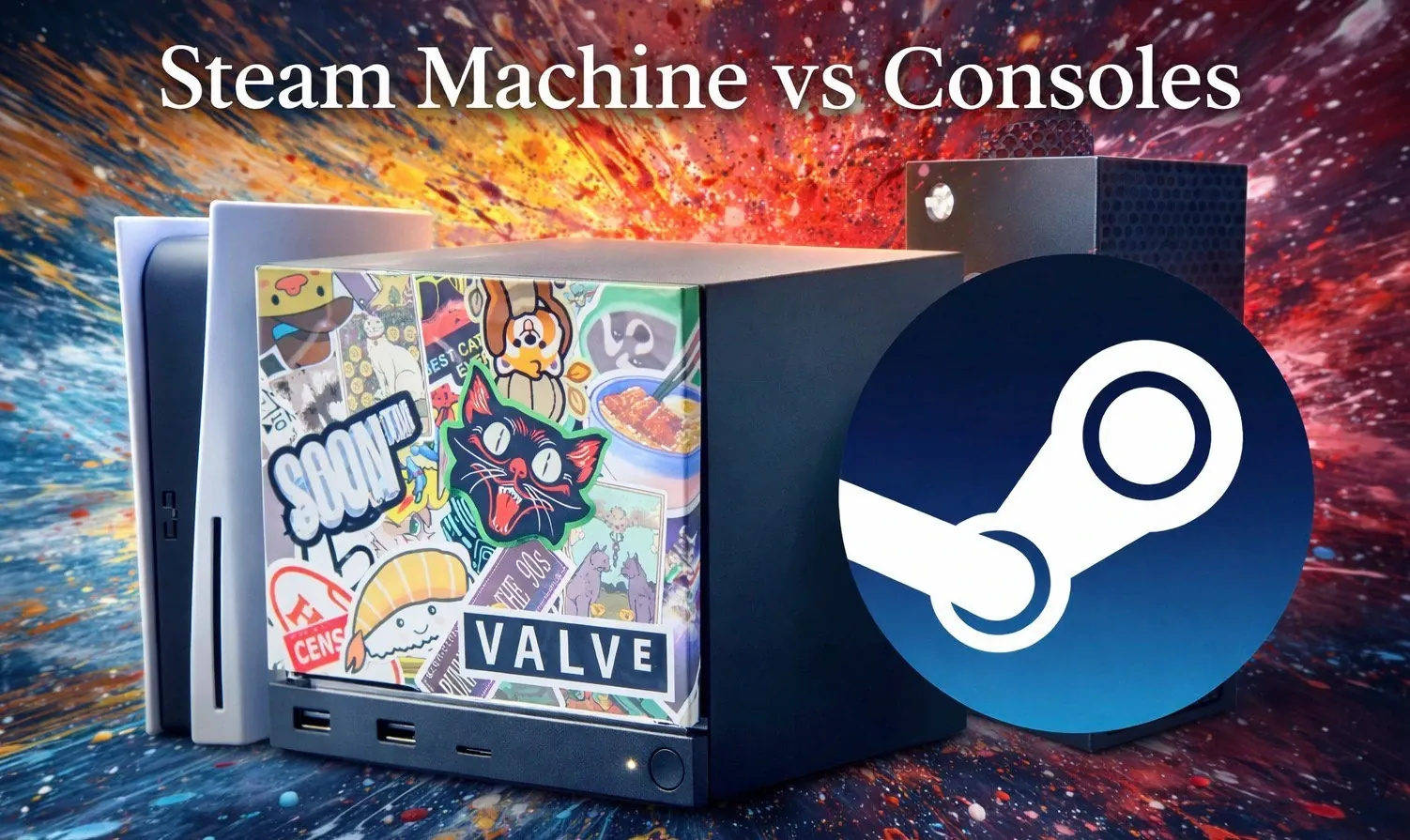
What if Valve could finally crack the code to unite the best of PC and console gaming into one seamless experience? Crowbar Collective walks through how the next Steam Machine could achieve this ambitious goal by learning from the missteps of its 2015 predecessor and building on the success of the Steam Deck. The original Steam Machine promised a revolution but delivered a fragmented ecosystem plagued by inconsistent hardware and limited game compatibility. Now, with advancements like Proton and a clearer understanding of gamer expectations, Valve has a rare second chance to redefine what a hybrid gaming device can be. The stakes are high, but so is the potential to create something truly new.
In this overview, we’ll explore the critical features and strategies that could make the next Steam Machine a standout success. From streamlined accessibility to performance-driven design, there’s a lot riding on Valve’s ability to balance simplicity with power. Could this be the device that finally bridges the gap between casual players and hardcore PC enthusiasts? Or will it repeat the pitfalls of its past? By the end, you’ll have a clearer picture of what’s at stake, and why this could be Valve’s most important hardware project yet.
Valve’s Next Steam Machine
TL;DR Key Takeaways :
- Valve has the opportunity to redefine gaming by reintroducing the Steam Machine, focusing on accessibility, user experience, and hardware functionality to appeal to both casual and dedicated gamers.
- The original Steam Machine failed due to inconsistent hardware quality, fragmented ecosystems, and an underdeveloped Steam OS, but lessons from its shortcomings can guide future improvements.
- The success of the Steam Deck highlights the importance of features like Proton for game compatibility and user-friendly design, which can be adapted for a stationary Steam Machine emphasizing performance and home entertainment integration.
- To succeed, the next Steam Machine must prioritize accessibility with faster boot times, intuitive navigation, minimal setup, and features like suspend/resume and background updates for a seamless gaming experience.
- Valve can achieve long-term growth by refining hardware and software, forming partnerships with developers, offering competitive pricing, and creating a device that blends the simplicity of consoles with the flexibility of PC gaming.
Key Lessons from the Original Steam Machine
The original Steam Machine, launched in 2015, was an ambitious attempt to merge the flexibility of PC gaming with the simplicity of consoles. However, it fell short of expectations due to several critical missteps. Valve’s reliance on third-party manufacturers resulted in inconsistent hardware quality, while Steam OS lacked the polish and game compatibility needed to compete with established platforms like PlayStation and Xbox. The fragmented ecosystem left gamers frustrated with a product that felt incomplete and overly complex.
Valve now has the chance to revisit this concept with a more cohesive and focused approach. By addressing the shortcomings of the original Steam Machine, the company can deliver a product that meets the demands of modern gamers and stands out in a competitive market.
Learning from the Steam Deck’s Success
The Steam Deck has demonstrated Valve’s ability to innovate in gaming hardware. Its success lies in features like Proton, which allows Windows games to run seamlessly on Linux-based systems, and its portable, user-friendly design. Proton, in particular, has been instrumental in expanding the Steam Deck’s game library, making it a versatile device for PC gamers.
While the Steam Deck’s portability is a defining feature, the next Steam Machine will need to focus on different priorities. A stationary gaming device should emphasize performance, ease of use, and integration into home entertainment systems. By adapting the lessons learned from the Steam Deck, Valve can create a product that appeals to a broader audience while maintaining the flexibility and power of PC gaming.
What Valve Needs To Do For the Next Steam Machine

Unlock more potential in Steam Machine by reading previous articles we have written.
- Steam Machine Price : Why Valve Set the Tag at $1,000 in 2026
- Worlds Smallest Steam Machine Packs 32GB RAM & VRR
- Steam Machine HDMI 2.1 Limits, Valve and AMD Fixes Explained
- Steam Machine : Early 2026 Release Date, Prices, Specs & OS
- Valve Steam Machine Returns in 2026, Specs, Price Outlook
- Steam Machine Pricing Tipped at $600 to $650 with Supply Tight
- Steam Machine Pricing Outlook, Early 2026 Release Window
- New Steam Machine Accessories : Plus GeForce Now App for Linux
- New Valve 4K Steam Machine : Early 2026 Can’t Come Soon Enough
- Steam Machine Gaming Makes Linux a Serious Windows Rival
Addressing Challenges and Improving Accessibility
Despite its achievements, the Steam Deck has faced criticism for inconsistent performance and a steep learning curve for less tech-savvy users. Many players have encountered issues requiring manual adjustments, such as tweaking game settings or troubleshooting software compatibility. For the next Steam Machine to succeed, Valve must eliminate these barriers by delivering a polished, reliable experience straight out of the box.
Accessibility should be a top priority. The device must offer faster boot times, intuitive navigation, and minimal setup requirements. A curated ecosystem, similar to the controlled environments offered by Apple or Nintendo, could ensure that games run smoothly without user intervention. By streamlining the interface and optimizing software, Valve can make the Steam Machine appealing to casual gamers who may not be familiar with PC gaming.
Blending the Strengths of Console and PC Gaming
The Steam Machine has the potential to combine the best aspects of console and PC gaming. By offering the simplicity of a console with the flexibility and expansive game library of a PC, Valve could attract a new audience. Casual gamers who lack high-end gaming PCs may find the Steam Machine an appealing alternative, especially if it delivers consistent performance and ease of use.
To achieve this, Valve must focus on features that enhance user convenience. Key functionalities like suspend/resume, which allows players to pause and resume games instantly, can reduce downtime and improve usability. Additionally, background updates that don’t interrupt gameplay can streamline the experience, making sure players spend more time gaming and less time managing software. These features, combined with a robust library of games, could make the Steam Machine a compelling choice for gamers seeking a hassle-free experience.
Seizing the Opportunity for Long-Term Growth
The next Steam Machine represents a significant opportunity for Valve to expand its presence in the gaming market. By refining both hardware and software over time, the company can position itself as a leader in the casual gaming space while maintaining its appeal to PC gaming enthusiasts. Building on the momentum of the Steam Deck and continuing to improve Steam OS will be critical to this effort.
Valve must also consider the broader gaming ecosystem. Partnerships with developers and publishers could ensure a steady stream of optimized games for the Steam Machine. Additionally, offering competitive pricing and flexible configurations could make the device accessible to a wider range of consumers. By addressing these factors, Valve can create a product that not only meets the needs of today’s gamers but also evolves to stay relevant in the future.
A Vision for the Next Steam Machine
The success of the next Steam Machine will depend on Valve’s ability to learn from past mistakes and build on recent successes. By creating a user-friendly, high-performance device that bridges the gap between PC and console gaming, Valve can redefine the gaming experience for a wider audience. With a focus on accessibility, performance, and seamless interaction, the Steam Machine has the potential to become a cornerstone of the evolving gaming landscape.
Media Credit: Crowbar Collective
Disclosure: Some of our articles include affiliate links. If you buy something through one of these links, Geeky Gadgets may earn an affiliate commission. Learn about our Disclosure Policy.
