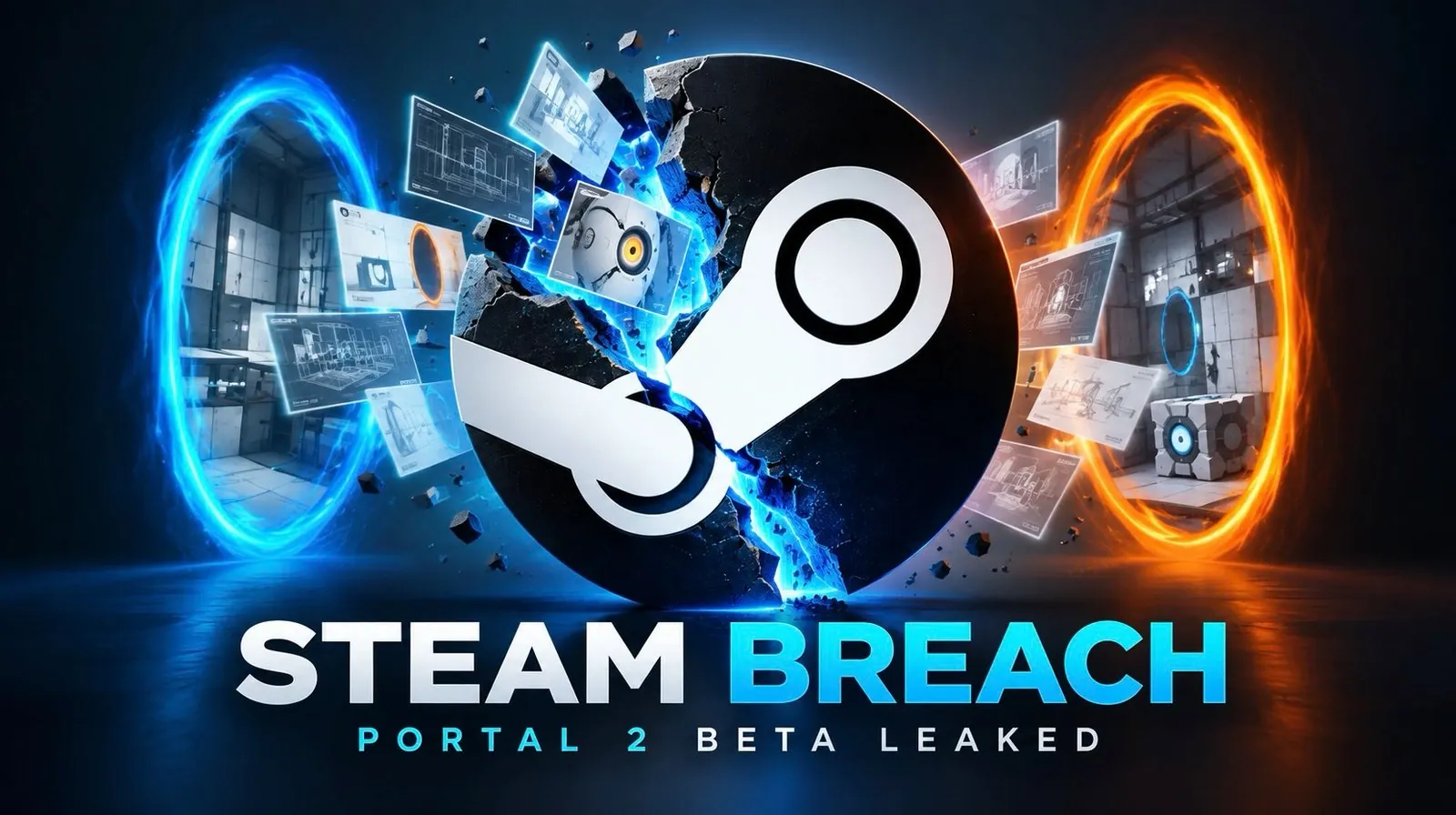
Steam recently faced two major data breaches that have sent ripples through the gaming industry. As covered by Bellular News, one breach revealed achievement lists for unreleased games like Persona 6 and Kingdom Hearts 4, inadvertently exposing story spoilers and gameplay details. Another leak involved a staggering 12-terabyte archive of historical game files, including beta builds of Portal 2 and data from canceled projects. These incidents highlight vulnerabilities in Steam’s infrastructure, including outdated systems and misconfigured APIs, raising serious questions about Valve’s approach to data security.
Explore how these leaks could reshape industry practices, from the potential legal fallout for Valve to the ethical dilemmas surrounding the use of leaked data. You’ll also gain insight into how publishers might adjust their strategies to safeguard intellectual property, as well as the broader implications for collaboration and transparency in game development. This disclosure examines the delicate balance between preserving gaming history and protecting creative assets in an increasingly complex digital landscape.
Achievement Leak: Spoilers for Upcoming Games
TL;DR Key Takeaways :
- Steam experienced two major data breaches in September 2026, exposing sensitive information about unreleased and legacy games, raising concerns about Valve’s data security practices.
- The first breach revealed achievement lists and spoilers for upcoming titles like Persona 6 and Kingdom Hearts 4, disrupting marketing strategies and damaging trust between developers and players.
- The second breach involved a 12-terabyte archive of historical game data from 2003-2013, including beta files and canceled projects, sparking ethical and legal concerns over intellectual property rights.
- Valve’s reliance on outdated systems and misconfigured APIs has been criticized, with calls for improved security measures and greater accountability to prevent future incidents.
- The leaks highlight broader implications for the gaming industry, including potential financial losses, stricter data security protocols and challenges in balancing historical preservation with ethical considerations.
The first breach involved the exposure of achievement lists for unreleased games, including highly anticipated titles such as Persona 6 and Kingdom Hearts 4. These lists inadvertently revealed critical story spoilers and gameplay details, disrupting carefully planned marketing strategies. Additionally, placeholders for unannounced games like Judas and Squadron 42 were disclosed, undermining publishers’ efforts to build anticipation through controlled promotional campaigns.
For publishers, such leaks represent a significant challenge. Controlled reveals are a cornerstone of marketing strategies, designed to generate excitement and engagement among fans. By prematurely releasing key details, these leaks not only diminish the impact of official announcements but also risk alienating players who prefer to experience games without prior knowledge of major plot points. The damage extends beyond marketing, as it can erode trust between developers and their audience, potentially affecting sales and long-term brand loyalty.
12-Terabyte Archive Leak: A Glimpse into Gaming’s Past
The second breach involved a massive 12-terabyte archive containing game builds, assets and cut content from 2003 to 2013. This archive included beta files for iconic games like Portal 2 and data from canceled projects. The files originated from Valve’s outdated Steam 2 system, which was replaced in 2013 but remained vulnerable due to legacy systems and misconfigured APIs.
Data miners quickly analyzed the archive, uncovering insights into development processes, scrapped ideas and unreleased content. While this information offers a fascinating glimpse into gaming history, it also raises ethical and legal concerns. Developers and publishers may view the exposure as a breach of intellectual property, complicating the situation further. The unauthorized release of this data could lead to legal disputes, as well as strained relationships between Valve and its partners.
For gaming enthusiasts and researchers, the archive provides a rare opportunity to study the evolution of game development. However, the ethical implications of accessing and using leaked data cannot be ignored. Developers did not intend for this information to be public and its dissemination could harm their creative and financial interests.

Here is a selection of other guides from our extensive library of content you may find of interest on SteamOS.
- Its Time to Ditch Windows for Valve’s Lightweight SteamOS Gaming Platform
- Valve Restructures SteamOS with Distinct X86 and ARM Builds
- SteamOS 3.8 Adds Ray Tracing and Improved 4K Display Support
- SteamOS Beta Update Fixes CPU Degradation and Wi-Fi Bugs
- ONEXPLAYER X2 Mini Pro Runs SteamOS with Ryzen AI Max Plus 388
- How to Build a DIY Steam Machine Using Your Existing PC and SteamOS
- Why Valve’s Steam OS is Quietly Replacing Windows on Gaming PCs
- Valve’s Free SteamOS Runs Arch Linux for Daily Desktop Use
- Install Armada OS on Android Handhelds to Create a Steam Deck in Under 5 Minutes
- SteamOS Update Adds Seamless Account Switching During Gameplay
Valve’s Role and Response
The leaks have been traced to a misconfiguration in Steam’s API and the continued reliance on outdated systems. Despite the scale of the breach, Valve has yet to issue a public statement or take visible steps to address the situation. This lack of transparency has drawn criticism from industry observers and affected stakeholders, who are calling for greater accountability.
As a dominant force in PC gaming, Valve’s security practices are under intense scrutiny. Steam serves as a critical hub for developers and publishers, hosting millions of games and managing sensitive data. These incidents could prompt publishers to reconsider how they share proprietary information with the platform, potentially reshaping their relationships with Valve. If trust in Steam’s infrastructure erodes, developers may explore alternative platforms or invest in their own distribution systems, which could fragment the PC gaming ecosystem.
Broader Implications for the Gaming Industry
The consequences of these leaks extend far beyond Valve. Publishers may face financial losses and reputational damage due to the premature disclosure of game content. Legal action against Valve is also a possibility, as affected parties seek accountability for the exposure of intellectual property. These developments could lead to stricter regulations and higher expectations for data security across the industry.
For developers, the incidents underscore the importance of implementing robust data security measures. Companies may adopt stricter protocols for data sharing and storage, which could reduce transparency and collaboration. While these measures aim to safeguard assets, they may inadvertently hinder innovation by limiting the exchange of ideas and resources. The balance between protecting intellectual property and fostering creativity will become an increasingly complex issue for the industry to navigate.
Balancing Historical Value with Ethical Concerns
While the leaks present challenges, they also offer opportunities for historical preservation. The archive provides a rare window into the evolution of game development, showcasing early builds, abandoned concepts and the creative processes behind beloved titles. For researchers and gaming enthusiasts, this data is invaluable for understanding the industry’s history and the decisions that shaped iconic games.
However, accessing and using leaked data raises significant ethical questions. Developers did not consent to the public release of this information and its unauthorized dissemination could harm their interests. Balancing the value of preserving gaming history with respect for intellectual property rights is a complex issue that the industry must address. Collaborative efforts between developers, historians and legal experts may be necessary to establish guidelines for responsibly handling such data.
Preventing Future Incidents
These leaks serve as a wake-up call for Valve and the broader gaming industry. To prevent similar incidents, companies must prioritize:
- Strengthening data security measures to protect sensitive information.
- Retiring vulnerable legacy systems that pose unnecessary risks.
- Improving API configurations to minimize potential breaches.
Developers and publishers must also reassess their reliance on third-party platforms for storing and sharing sensitive information. By addressing these vulnerabilities, companies can protect their assets, maintain trust with their audiences and ensure the continued success of their projects. The gaming industry must recognize that robust security is not just a technical requirement but a fundamental aspect of maintaining credibility and fostering long-term growth.
Media Credit: Bellular News
Disclosure: Some of our articles include affiliate links. If you buy something through one of these links, Geeky Gadgets may earn an affiliate commission. Learn about our Disclosure Policy.
